
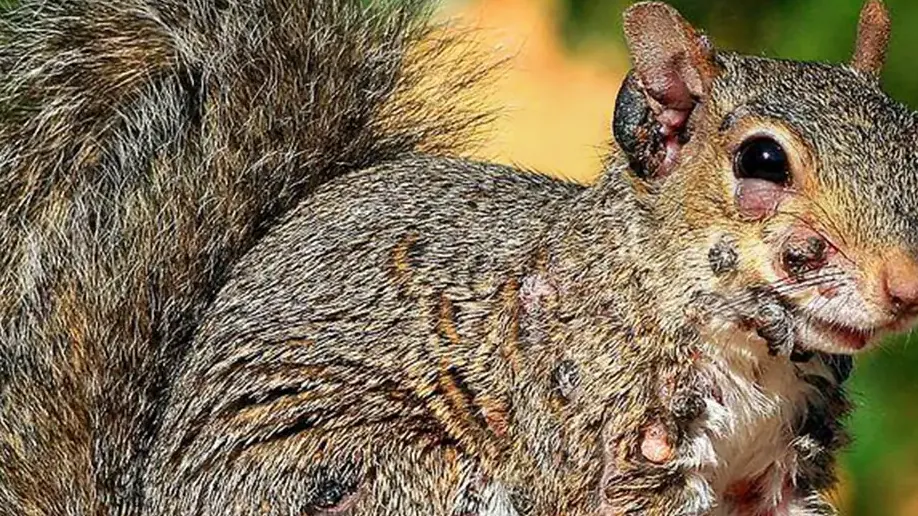

The Reality Behind The “Zombie Squirrel” Phenomenon
Across social media platforms, disturbing images have sparked widespread alarm among American homeowners. What began as isolated posts quickly evolved into a viral phenomenon, with shocked users sharing photos and videos of grotesquely disfigured squirrels bearing little resemblance to the familiar backyard creatures.
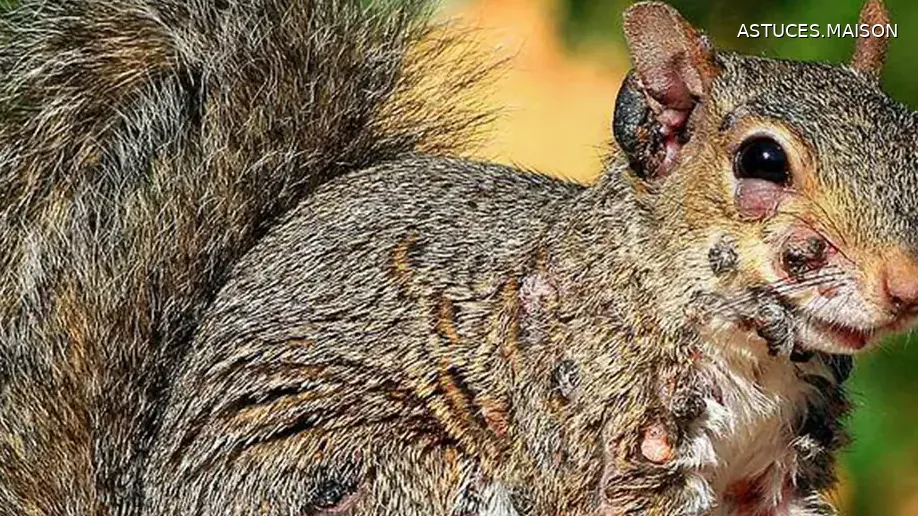
The panic reached a tipping point in late July when a Reddit user described their shocking encounter with what they initially mistook for a squirrel with food stuck to its face. Upon closer inspection, the horrifying reality emerged: the mass was part of the animal’s skin. Their desperate online plea—”Any ideas what is going on with this little fella?”—echoed the confusion of countless others witnessing similar scenes.
Yet beneath the social media hysteria lies a far more mundane scientific truth. What users have dubbed “zombie squirrels” are actually suffering from squirrel pox, also known as squirrel fibromatosis—a naturally occurring viral disease that wildlife experts confirm is far more common than most people realize.
The dramatic disconnect between public perception and scientific reality reveals how quickly disturbing visuals can fuel panic in our interconnected digital age. While the oozing sores and wart-like growths certainly appear alarming to the untrained eye, this condition represents a routine wildlife occurrence rather than an apocalyptic threat.
Wildlife biologist Shevenell Webb from Maine’s Department of Inland Fisheries and Wildlife emphasizes that these cases, though visually disturbing, follow predictable patterns that scientists have documented for years.
Understanding Squirrel Pox: Transmission And Symptoms
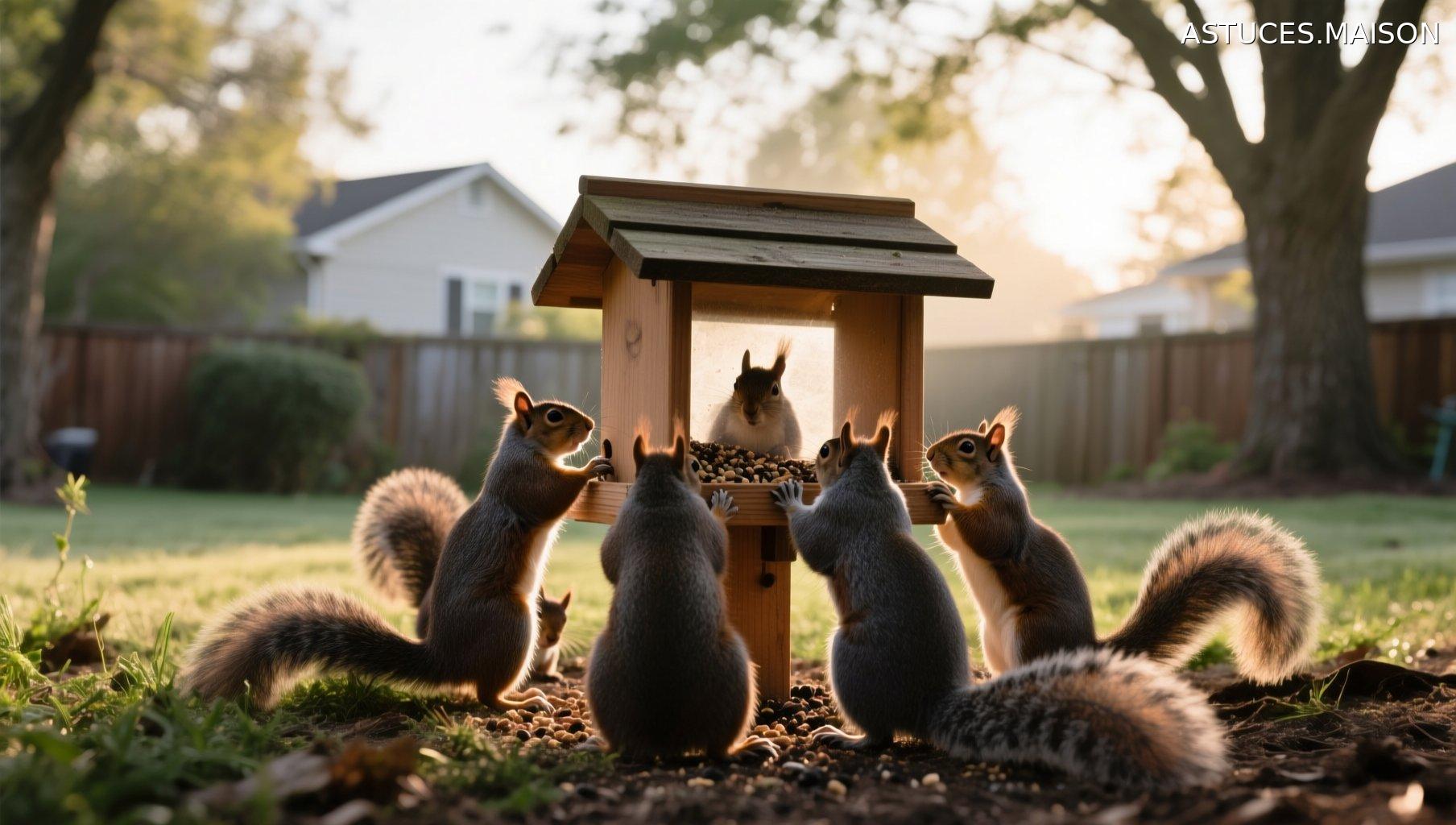
Webb’s years of field research have revealed the precise mechanisms behind this viral outbreak. The disease spreads most rapidly at bird feeders and feeding stations, where squirrels congregate in unnaturally high numbers and inevitably share saliva through close contact.
« It’s like when you get a large concentration of people. If someone is sick and it’s something that spreads easily, others are going to catch it, » Webb explained, drawing parallels to familiar human experiences with seasonal flu outbreaks.
However, the transmission routes extend beyond direct contact. According to the Wisconsin Department of Natural Resources, biting insects serve as the primary vectors, with mosquitoes carrying the virus between hosts. This explains why outbreaks often coincide with peak insect activity during warmer months.
The visual symptoms progress predictably but dramatically. Initially, small bumps appear around the face, ears, or extremities. These rapidly develop into the characteristic wart-like fibromas—thick, tumor-like growths that can completely obscure facial features. In advanced cases, the masses ooze fluid and create the grotesque appearance that has terrified homeowners.
Despite their horrifying presentation, most infected squirrels retain full mobility and feeding capacity unless the growths interfere with critical functions like vision or breathing. The fibromas themselves are neither painful nor malignant, functioning more like temporary disfigurements than life-threatening conditions.
This scientific understanding provides crucial context for the widespread panic currently gripping communities across multiple states.
Geographic Spread And Public Reaction
This widespread panic reflects a genuine geographic expansion of reported cases. From Maine’s initial 2023 sightings to recent confirmations across Virginia, the phenomenon has traversed state boundaries with alarming consistency.
Staff members at Evelyn’s Wildlife Refuge have documented multiple cases, though their findings reveal an important complication. Not all disfigured squirrels suffer from squirrel pox—some carry botfly larvae tunneling beneath their skin, creating similar grotesque appearances through entirely different biological processes. « Only skilled rehabbers or vets should attempt to extract bots, » refuge staff warned, distinguishing between the viral and parasitic causes.
Social media platforms have amplified public alarm exponentially. The term “zombie squirrels” originated from horrified users sharing photos and videos across Reddit, Twitter, and Facebook. One exasperated Twitter user captured the collective sentiment: « Zombie squirrels?! Seriously?! FFS!! »
Reddit threads proliferate with concerned homeowners posting images of infected animals in their yards. « Can grey squirrels survive squirrel pox? I see a few with early symptoms in my backyard, » one user inquired, while another attempted dark humor: « Squirrel Pox, ladies and gentlemen. Thank God they’re only for squirrels. »
These viral posts have created a feedback loop where genuine scientific concern meets internet sensationalism. The geographic spread appears more dramatic through social media amplification than actual epidemiological data suggests, though wildlife authorities across multiple states continue monitoring the situation closely.
Safety Guidelines And Recovery Outlook
Despite the viral alarm spreading across social platforms, wildlife experts emphasize a crucial reassurance: squirrel pox poses zero threat to humans or household pets. The disease remains strictly species-specific, affecting only squirrels in nearly all documented cases.
According to the North Carolina Wildlife Resources Commission, domestic rabbits represent the sole exception, experiencing infection only in extremely rare circumstances. Cats, dogs, and humans face no transmission risk whatsoever.
Shevenell Webb’s professional assessment cuts through the internet hysteria with scientific clarity: « It’s nothing to really worry about. For the most part, squirrels with squirrel pox are just really ugly to look at. » Her decades of wildlife experience underscore that most infected animals survive the viral course completely.
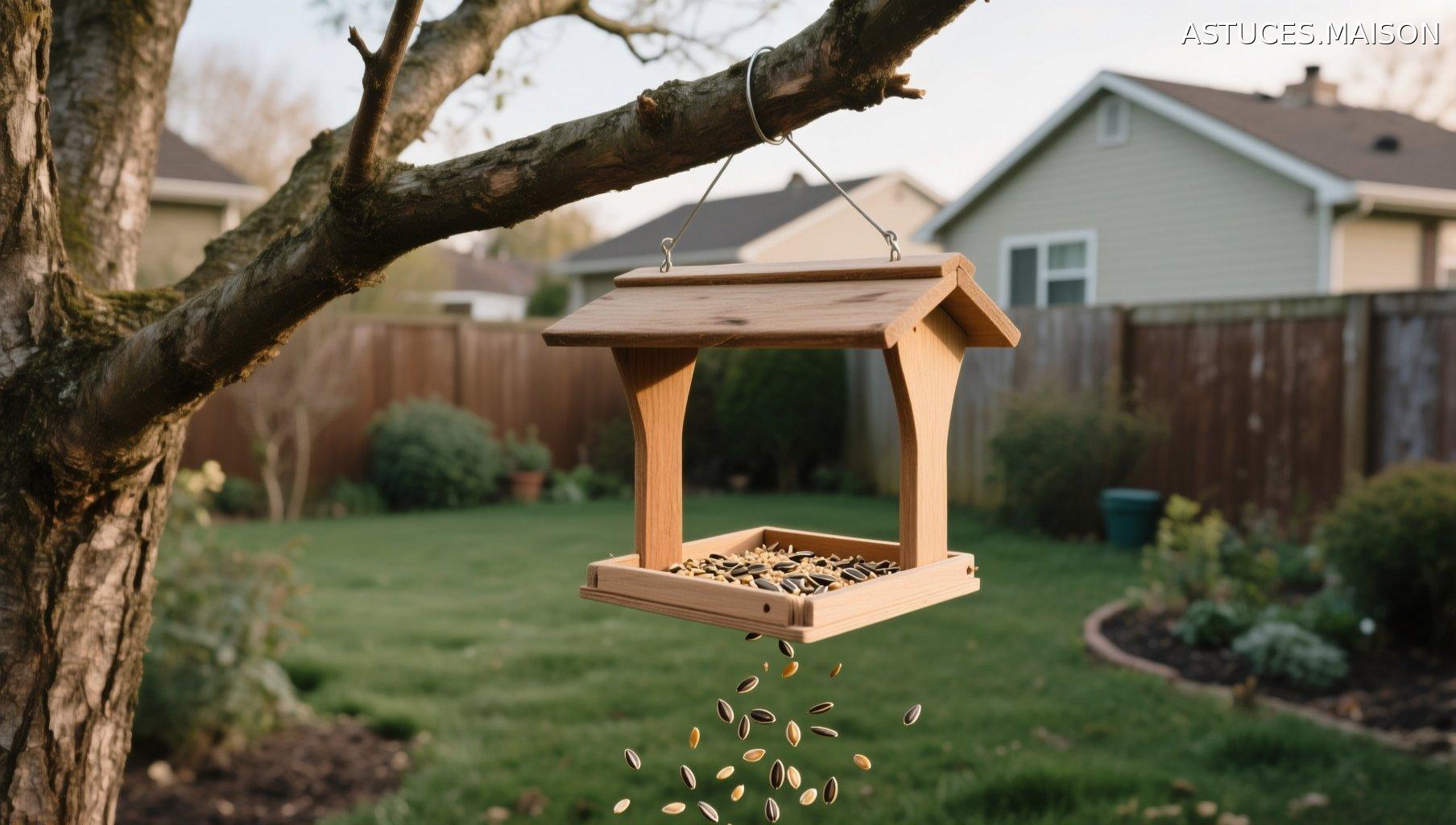
Wildlife authorities recommend a simple non-intervention approach. Homeowners should maintain distance from affected squirrels and avoid capture attempts. Removing bird feeders temporarily can limit viral spread when multiple infected animals congregate in yards.
Recovery stories provide genuine hope beyond social media sensationalism. One wildlife enthusiast documented a severely infected squirrel’s complete transformation, posting video evidence of the animal’s return to normal behavior: « He beat the worst squirrel pox I have seen and is recovering well. Bad scars but almost full function again and is socializing a little too! »
The Wisconsin Department of Natural Resources confirms that while biting insects facilitate transmission between squirrels, the natural immune response typically resolves infections within weeks. These resilient survivors demonstrate nature’s remarkable capacity for self-healing, transforming apparent horror stories into testaments of wildlife adaptability.
Continue Reading →