
The Hidden Cost Of Phantom Power: Understanding Standby Energy Consumption
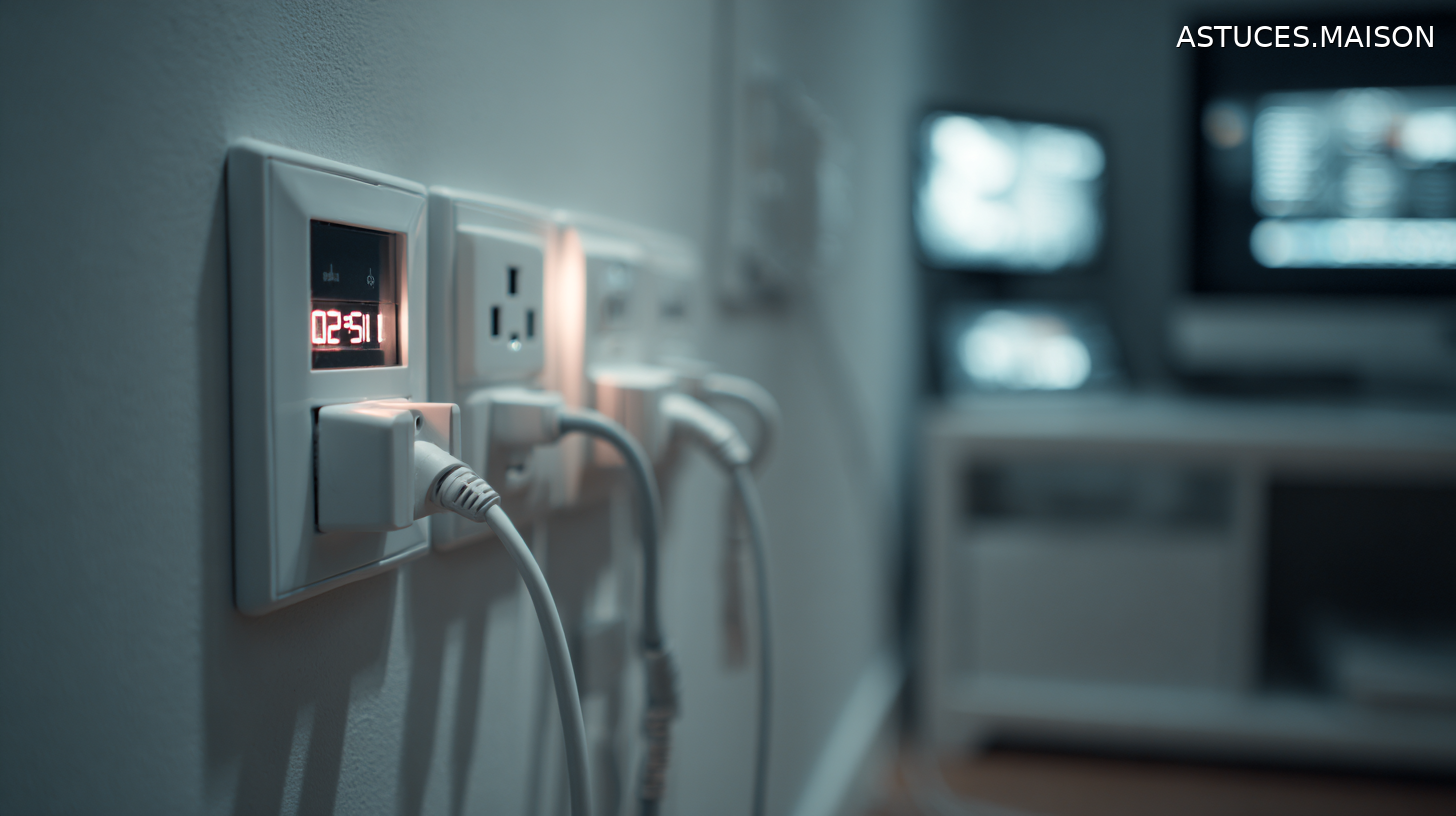
Most homeowners assume their appliances stop using electricity once switched off, but this common belief costs them hundreds of dollars yearly. Many household items continue to draw power even when turned off, a phenomenon known as phantom or standby power. This invisible energy drain happens because modern devices maintain internal circuits, digital displays, and memory functions that require constant electricity.
Energy experts estimate that standby power can account for up to 10 percent of household electricity use. Over the course of a year, this seemingly minor consumption adds substantial costs to utility bills. The issue extends beyond financial impact—phantom power also creates unnecessary stress on electrical systems and increases the risk of malfunctions.
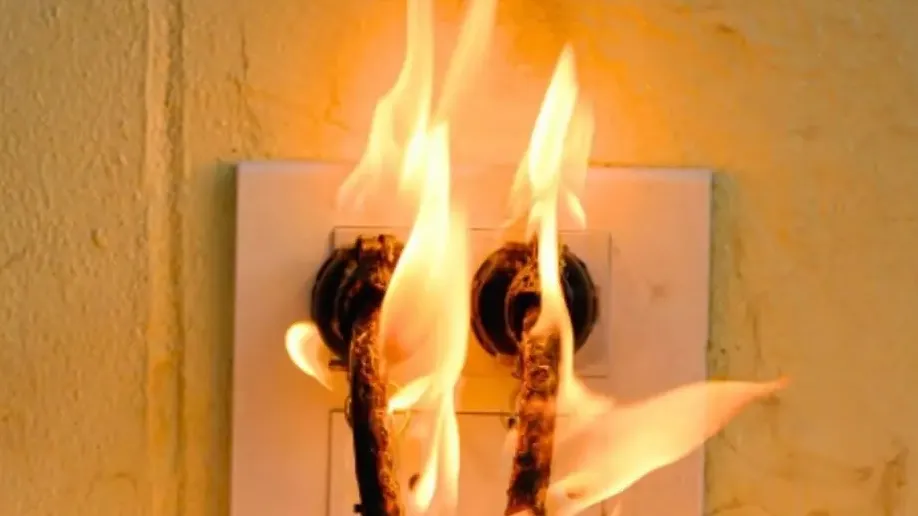
When you unplug appliances after using them, you’re not just saving money on your electricity bill. You’re also reducing fire risks and extending the lifespan of your devices. Unplugging appliances serves as a smart way to protect electronics during storms or power surges, when voltage spikes can damage sensitive components.
This simple habit requires minimal effort but offers significant long-term benefits. The practice becomes even more valuable when you consider that many common household appliances are particularly notorious for their phantom power consumption, creating hidden costs that most people never realize they’re paying.
Kitchen Appliances That Keep Costing You: Toasters, Coffee Makers, Air Fryers, And Microwaves
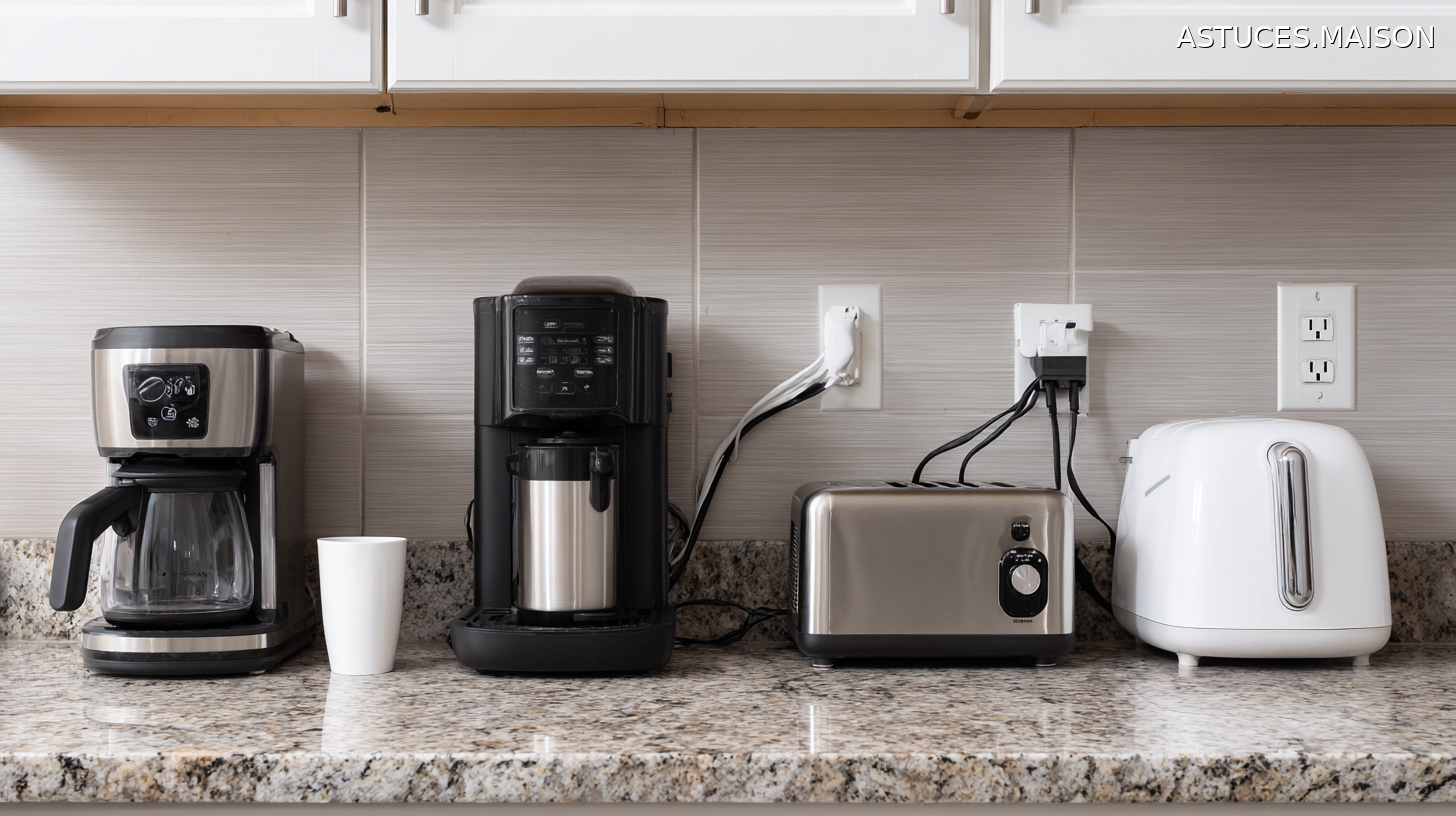
While phantom power affects devices throughout your home, kitchen appliances represent some of the worst offenders for unnecessary energy consumption and safety risks.
Toasters and toaster ovens pose surprising hazards beyond their energy waste. When crumbs build up inside, they can catch fire if the appliance malfunctions or overheats while still plugged in. Power surges or damaged plugs can cause these units to spark or short out, especially dangerous when flammable materials like paper towels sit nearby.
Coffee makers are particularly costly phantom power users. Many models continuously draw electricity to power built-in clocks or keep water warm for quick brewing. This constant energy flow stresses internal components and can lead to overheating if heating elements fail while connected. The auto-shutoff feature only stops brewing—it doesn’t stop energy consumption.
Air fryers require constant electricity for their digital screens and memory settings, even when not actively cooking. The combination of residual grease around plugs and potential heating element malfunctions creates fire risks, particularly when towels or paper products are stored nearby.
Microwaves rank among the biggest phantom power consumers in kitchens. Their clock displays alone use electricity continuously, while internal circuits remain active to enable instant response when buttons are pressed. Grease and food splatters inside can become fire hazards if the appliance short-circuits, especially in older units lacking modern safety features.
These everyday kitchen workhorses demonstrate why unplugging extends far beyond simple energy savings.
Space Heaters: The Highest-Risk Appliance In Your Home
While kitchen appliances present various risks, space heaters represent an entirely different level of danger that demands immediate attention.
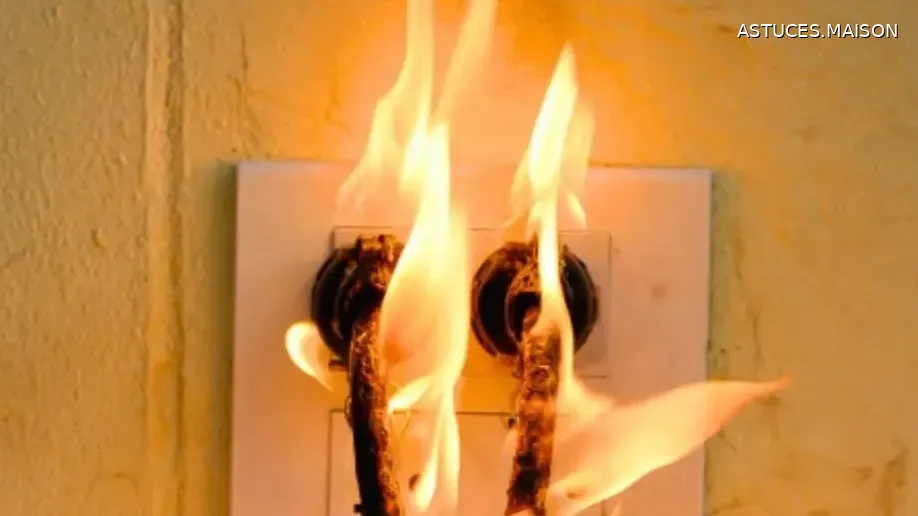
Space heaters are notorious for causing house fires when handled carelessly. Unlike other appliances, these devices continue drawing power even when switched off, creating constant risk potential. If a heater falls over or gets bumped while still plugged in, it can overheat or short-circuit within seconds—a particularly serious concern in homes with pets or small children who might accidentally knock them over.
Older models present the greatest hazards since they often lack modern safety protections like automatic shutoff features or temperature sensors. When something flammable sits nearby—blankets, curtains, or towels—the danger multiplies exponentially.
The electrical risks extend beyond the device itself. Space heaters pull enormous amounts of energy and can easily overload circuits when plugged into extension cords or already-stressed outlets. This combination creates a perfect storm for electrical fires that can spread rapidly through walls and ceilings.
These small devices deceive users with their compact size, but they consume more electricity than most major appliances. Their high energy demands stress household wiring systems beyond their intended capacity.
Unplugging space heaters after every use eliminates these compounding risks while extending the appliance’s lifespan. This simple habit transforms one of your home’s most dangerous devices into a safer heating solution.
The risks don’t end with individual appliances—your entire home’s safety depends on broader protective strategies.
Beyond Unplugging: Building Comprehensive Home Safety And Energy-Saving Habits
These broader protective strategies start with simple inspection routines that prevent problems before they develop.
Regular cord examination reveals early warning signs like cracks, fraying, or damaged plugs that could spark electrical fires. Replace any compromised cords immediately rather than risking catastrophic failure. Avoid overloading outlets or power strips, particularly with heat-producing appliances like toasters or space heaters that already strain your electrical system.
Surge protectors shield expensive electronics during storms and power fluctuations, while working smoke detectors in every appliance area provide crucial early warnings. Change detector batteries twice yearly and keep flammable materials—curtains, towels, paper products—away from all heat sources.
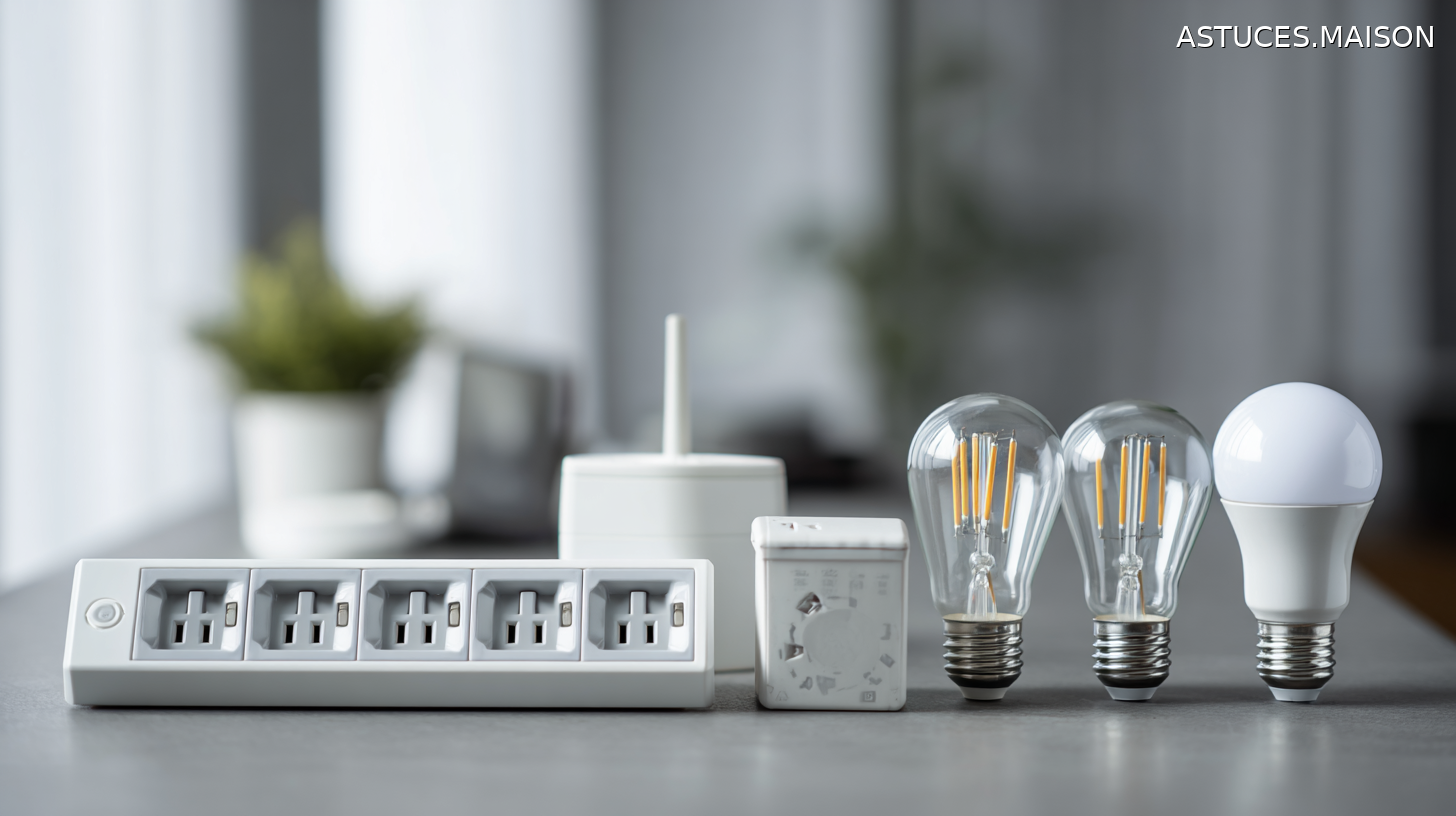
Smart power strips revolutionize energy management by detecting when devices enter standby mode and automatically cutting unnecessary power flow. These intelligent devices eliminate phantom power consumption without requiring manual unplugging.
Additional energy-saving measures compound your savings significantly. LED bulbs consume dramatically less electricity than traditional incandescent lights while lasting much longer. Adjusting your thermostat just a few degrees—lower in winter, higher in summer—reduces HVAC strain without sacrificing comfort.
Laundry efficiency improves through cold water washing and full-load cycles. Even disconnecting phone chargers and small gadgets when finished prevents continuous energy draw from these seemingly insignificant devices.
These combined strategies create layers of protection that safeguard both your family and your finances. Small daily habits transform into substantial long-term benefits that extend far beyond individual appliance management.
Continue Reading →