
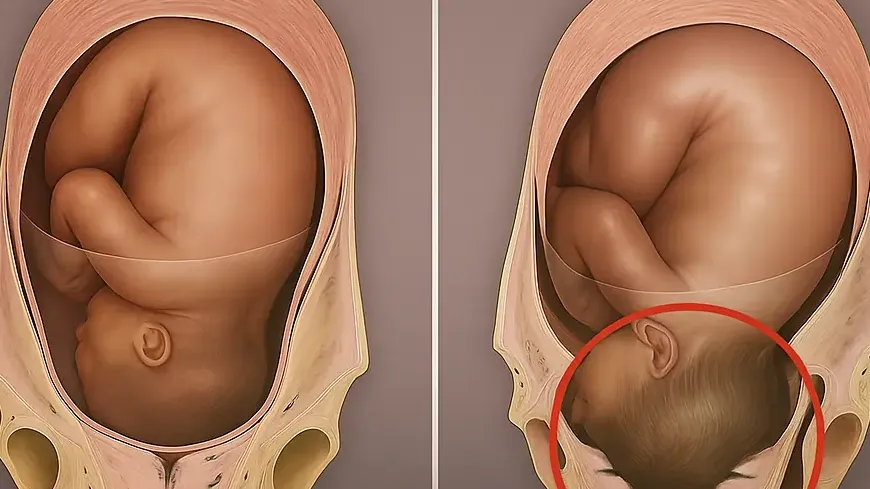

Natural Childbirth: Understanding The Philosophy And Benefits
The decision to embrace natural childbirth represents more than a medical choice—it reflects a profound philosophy about the birthing experience. This approach, which involves giving birth without medical interventions or anesthesia, has gained recognition for its potential to create a deeper, more authentic connection between mother and child.
Women who choose natural childbirth often report experiencing a heightened sense of connection with their baby and their own body throughout the labor process. This conscious participation in birth allows mothers to fully experience each stage of delivery, fostering an immediate and intense bond that many describe as transformative.
Beyond the emotional benefits, natural childbirth offers several practical advantages. Recovery times are typically quicker since the body avoids exposure to anesthetics and other medications that may cause lingering side effects. This means new mothers can often resume normal activities sooner and experience less post-delivery fatigue.
From a medical perspective, natural childbirth may reduce the likelihood of certain complications. Research suggests that this approach can potentially decrease the risk of perineal tearing, though outcomes vary depending on individual circumstances. While any form of tearing remains challenging, many mothers find that the emotional rewards of natural birth significantly outweigh temporary physical discomfort.
This philosophy emphasizes trust in the body’s natural ability to give birth, viewing labor pain not as something to avoid, but as an integral part of the profound experience of bringing new life into the world.

Preparing For Pain: Mental And Physical Readiness
While embracing labor pain as a natural part of childbirth creates meaningful connections, the reality remains that this pain can be intense and overwhelming. Successfully navigating natural childbirth requires comprehensive preparation that addresses both mental resilience and physical techniques.
The foundation of effective preparation lies in developing practical pain management strategies. Breathing techniques and meditation form the cornerstone of natural pain relief, teaching expectant mothers to work with their contractions rather than against them. These methods help maintain focus and calm during the most challenging moments of labor.
Professional support proves invaluable during this journey. A trained doula or experienced birth partner provides continuous emotional guidance and practical assistance, helping mothers stay centered when pain intensifies. Their presence offers reassurance and expertise in implementing comfort techniques at critical moments.
Perhaps most importantly, successful natural childbirth requires flexible planning and realistic expectations. Every birth unfolds uniquely—techniques that provide significant relief for one woman may prove less effective for another. Some mothers discover labor pain more manageable than anticipated, while others find themselves surprised by its intensity.
The key lies in thorough preparation combined with adaptability. Rather than rigid adherence to a single approach, effective planning involves mastering multiple techniques and maintaining openness to adjust strategies as labor progresses. This balanced preparation empowers women to respond confidently to their body’s changing needs throughout the birthing process.
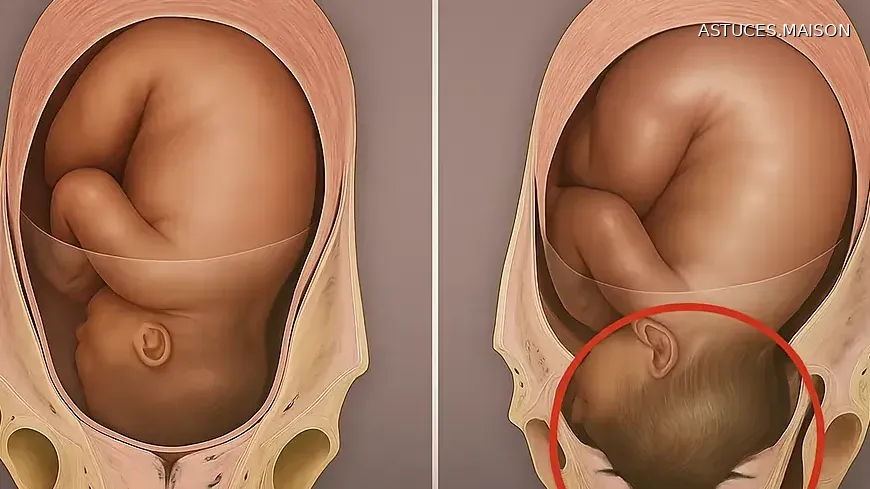
The Anatomy Of Natural Birth: Body Changes And Complications
Understanding the physical mechanics behind labor enhances the mental and physical preparation discussed earlier. When women comprehend exactly what occurs in their bodies during childbirth, they gain confidence and control over the natural process unfolding within them.
During contractions, the uterus undergoes powerful tightening that serves a critical purpose—pushing the baby through the birth canal. These contractions create intense pressure as the cervix dilates and the baby descends. The rhythmic nature of this process represents the body’s remarkable ability to orchestrate birth without external intervention.
However, this natural progression can sometimes result in complications requiring medical attention. Perineal tearing remains a common occurrence as tissues stretch to accommodate the baby’s passage. While these tears can be painful and challenging, understanding their likelihood helps mothers prepare mentally for potential outcomes.
Anatomical knowledge empowers expectant mothers in profound ways. When women understand how their cervix dilates, how contractions work efficiently, and why certain sensations occur, they transform from passive participants to informed partners in their birth experience. This knowledge reduces fear and anxiety that often intensify labor pain.
Prenatal education plays a crucial role in building this understanding. Classes that explain the physiological aspects of birth help mothers-to-be feel more secure and prepared for the journey ahead. This foundation of knowledge creates the groundwork for exploring various comfort techniques and natural approaches that can enhance the birthing experience.

Natural Pain Management: Alternative Remedies And Support Systems
Building upon this foundation of anatomical understanding, women can explore practical techniques and natural remedies that work harmoniously with their body’s natural birthing process. These alternatives offer drug-free solutions for managing labor discomfort while maintaining the authentic connection many mothers seek.
Red raspberry leaf tea stands among the most time-tested natural preparations for childbirth. Used for generations, this herbal remedy is believed to tone the uterus and possibly shorten labor duration. Many expectant mothers begin drinking this tea during their third trimester as part of their natural birth preparation routine.
Physical comfort techniques provide immediate relief during active labor. Massage therapy helps release muscle tension and promotes relaxation between contractions. Acupuncture offers another alternative, targeting specific pressure points to reduce pain perception and enhance the body’s natural pain-relieving mechanisms.
Warm water baths create a soothing environment that can significantly increase comfort during labor. The buoyancy and warmth help muscles relax while providing gentle pressure relief. Many birthing centers now offer hydrotherapy options specifically for this purpose.
However, these physical remedies work most effectively when combined with robust emotional and psychological support. Having a trusted birth partner, doula, or supportive medical team creates an environment where natural techniques can flourish. This comprehensive approach addresses both the physical and emotional dimensions of childbirth.
Combining multiple natural alternatives creates a personalized toolkit that adapts to the changing needs throughout labor, empowering mothers to navigate their birthing journey with confidence and support.
Continue Reading →