
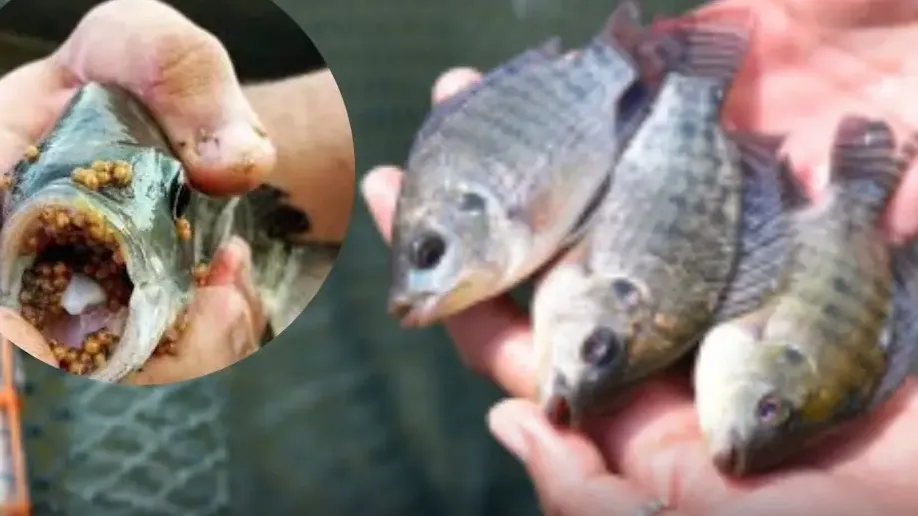
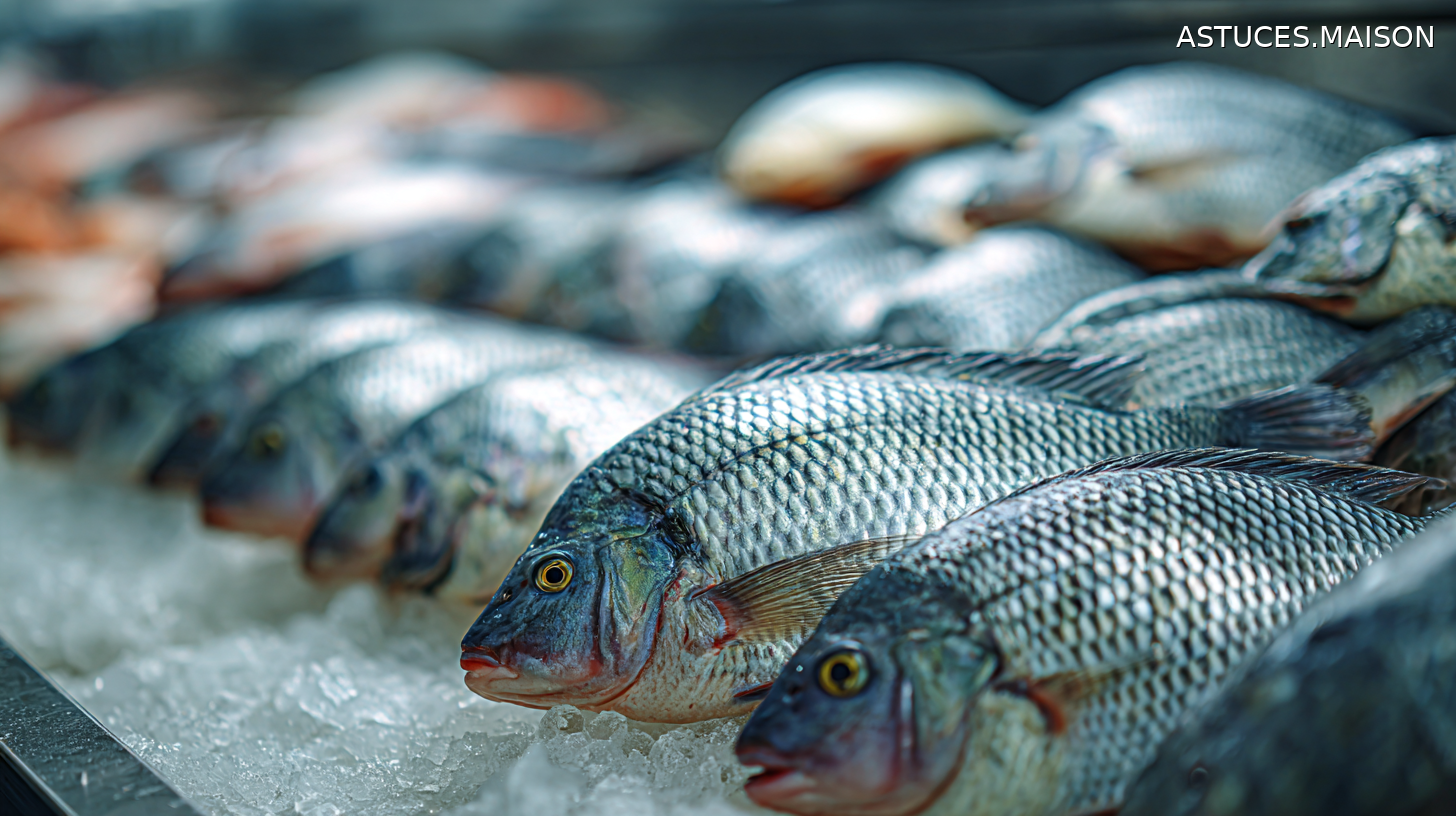
Understanding Tilapia: The Popular Freshwater Fish
Tilapia has emerged as one of the world’s most consumed fish species, earning its reputation through affordability and mild flavor that appeals to diverse palates. This freshwater fish belongs to the cichlid family and traces its origins to Africa and the Middle East, where it thrived in natural waterways for millennia.
What sets tilapia apart from other fish species is its remarkable adaptability. These omnivorous creatures consume both plants and animals, allowing them to survive in various environments that would challenge other fish species. Their ability to reproduce quickly has made them particularly attractive to commercial farming operations worldwide.
Today, tilapia serves as a cost-effective alternative to premium fish like salmon and tuna, making quality protein accessible to households across economic spectrums. The United States imports most of its tilapia from freshwater farms, though the species can adapt to both fresh and saltwater environments.
This versatility has contributed to tilapia’s global expansion far beyond its native regions. Commercial farmers appreciate the species’ resilience and rapid growth rates, while consumers benefit from consistent availability and reasonable pricing. The fish’s mild taste profile makes it particularly appealing to those who typically avoid stronger-flavored seafood options.
Understanding tilapia’s fundamental characteristics provides essential context for evaluating both its nutritional potential and the various farming practices that bring this popular protein to dinner tables worldwide.
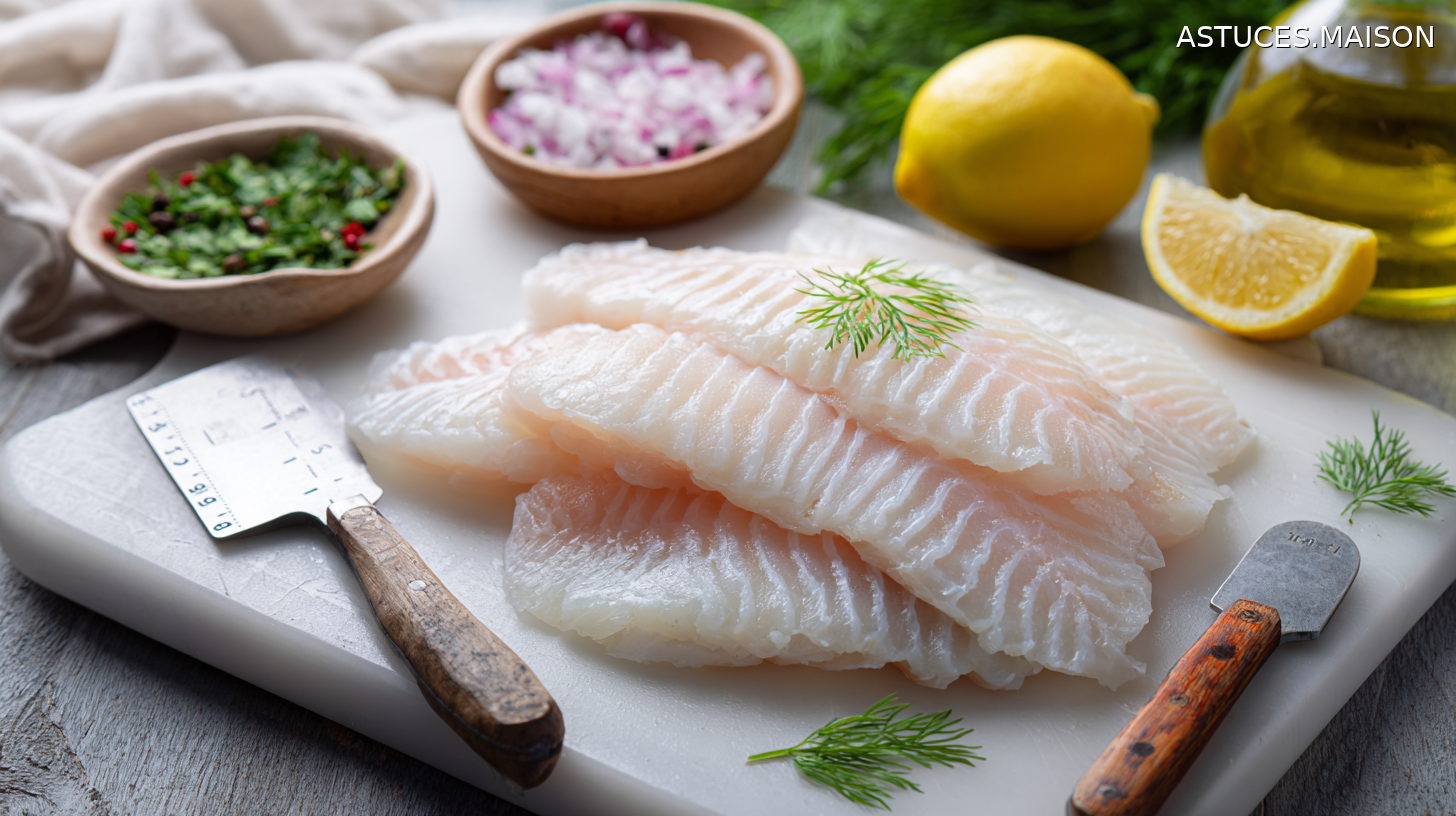
Nutritional Powerhouse: Health Benefits Of Tilapia Consumption
Beyond its affordability and accessibility, tilapia delivers impressive nutritional value that supports diverse health objectives. A single 3.5-ounce serving provides 23 grams of high-quality protein, making it an excellent choice for muscle development, tissue repair, and immune system maintenance.
The protein content rivals that of premium fish species while maintaining remarkably low fat levels. With only 3 grams of fat per serving, tilapia offers lean nutrition ideal for weight management goals. Its minimal saturated fat content further reduces cardiovascular risk factors, positioning it as a heart-conscious protein option.
Tilapia’s vitamin profile enhances its nutritional appeal significantly. The fish contains substantial amounts of vitamin B12, essential for optimal brain function and red blood cell production. This critical nutrient supports neurological health and helps prevent anemia-related complications.
Additionally, tilapia provides vitamin D, which promotes bone density and calcium absorption. Research suggests adequate vitamin D intake may offer protective benefits against certain cancers and autoimmune conditions, adding therapeutic potential to its nutritional portfolio.
For individuals pursuing fitness goals or managing caloric intake, tilapia’s protein-to-fat ratio creates an optimal macronutrient balance. The substantial protein content supports muscle synthesis and metabolic function while the low calorie density aids weight control efforts.
These nutritional advantages explain tilapia’s popularity among health-conscious consumers seeking affordable, versatile protein sources. However, realizing these benefits depends entirely on the quality and safety of farming practices used in production.

Hidden Risks: Potential Dangers In Tilapia Farming Practices
Unfortunately, the production methods behind this nutritional powerhouse frequently compromise consumer safety through questionable farming practices. Many tilapia operations prioritize maximum yields over quality control, creating conditions that expose fish to harmful contaminants and pathogens.
Overcrowded farming environments present the most immediate concern. Tilapia’s remarkable adaptability allows survival in poor-quality water and cramped conditions, encouraging farmers to maximize production density. These overcrowded environments become breeding grounds for diseases and expose fish to elevated levels of harmful chemicals and pollutants that transfer directly to consumers.
The feeding practices employed in certain regions pose additional health risks. Chinese tilapia farms commonly use animal feces, including pig waste, as fish feed. This problematic practice creates pathways for dangerous bacteria such as salmonella and E. Coli to contaminate the fish supply chain.
Beyond contamination risks, tilapia’s nutritional profile reveals another limitation. The fish contains significantly lower omega-3 fatty acid levels compared to premium species like salmon. While tilapia remains healthier than processed meats, consumers miss the cardiovascular and brain health benefits associated with omega-3 rich alternatives.
These farming practices transform an otherwise nutritious protein source into a potential health liability. The contrast between tilapia’s nutritional potential and production reality highlights the critical importance of sourcing decisions in determining actual health outcomes.
Understanding these risks empowers consumers to make informed choices about their tilapia purchases and identify safer, more sustainable options.

Making Smart Choices: Guidelines For Sustainable Tilapia Selection
Fortunately, informed consumers can navigate these risks by prioritizing sustainably sourced tilapia through careful label verification and supplier selection. The key lies in understanding certification systems that guarantee responsible farming and harvesting practices.
Wild-caught tilapia represents the safest option whenever available, as these fish avoid the contamination risks associated with intensive farming operations. However, given tilapia’s predominantly farmed nature, consumers should focus on identifying ethically managed aquaculture sources.
Two critical certifications signal responsible sourcing: « MSC Certified » and « Friend of the Sea » labels. These designations ensure the fish was harvested using sustainable methods that protect marine ecosystems and maintain healthy fish populations without depleting natural resources.
Several regions have established exemplary sustainable tilapia operations. Ecuador’s pond farms, Peru’s blue tilapia raceway systems, and open-net pen farms across Mexico, Honduras, and Indonesia demonstrate responsible aquaculture practices. Additionally, U.S. recirculating aquaculture systems offer the highest safety standards through controlled environments that eliminate contamination risks while maintaining optimal water quality.
These recirculating systems represent the gold standard for tilapia production, using advanced filtration and monitoring to create clean, controlled environments. Unlike traditional farming methods, these facilities prevent exposure to pollutants and eliminate the need for problematic feeding practices.
By prioritizing these certified and regionally trusted sources, consumers can enjoy tilapia’s nutritional benefits while supporting responsible aquaculture practices that protect both human health and environmental sustainability.
Continue Reading →