

Ancient Origins And Cultural Significance Across Civilizations
The ankle bracelet’s journey through history reveals fascinating cultural depths that extend far beyond simple adornment. This seemingly delicate accessory has carried profound meaning across diverse civilizations, each attributing unique significance to its presence around the ankle.
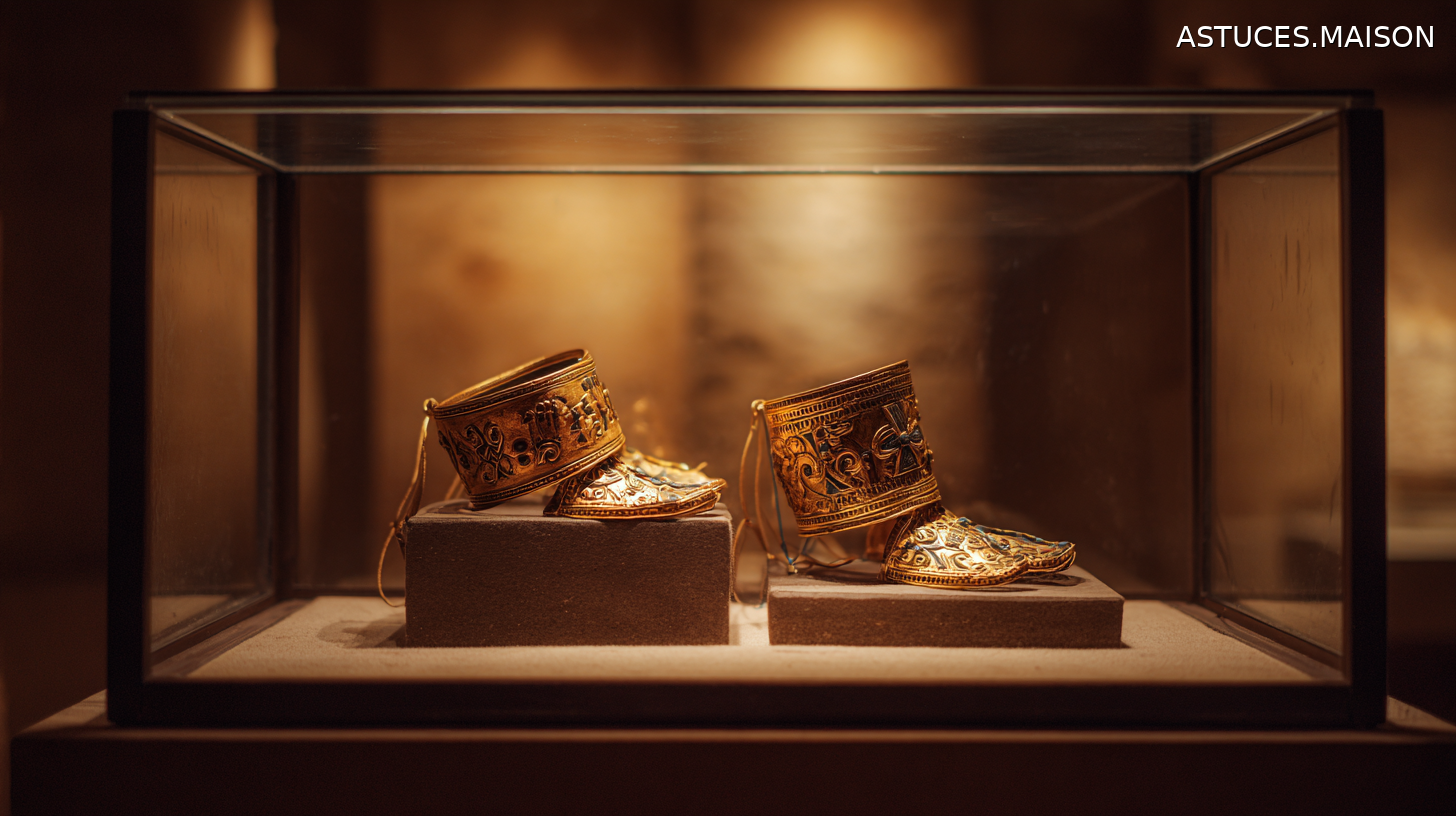
In ancient Egypt, the anklet transcended mere fashion to become a powerful talisman. Egyptians believed these ornaments bestowed wealth and good fortune upon their wearers, serving as spiritual protection in daily life. Field workers discovered practical benefits too, adorning their anklets with chiming pendants that created sound with each step—a clever method to deter insects and reduce painful bites during long hours of outdoor labor.
India’s cultural landscape painted the anklet with entirely different meaning. Here, silver anklets became essential symbols worn exclusively by married women, representing their marital status and unity with their spouses. This tradition transformed the accessory into a clear social indicator, allowing communities to instantly recognize a woman’s position within society.
The Arabian world contributed its own complex interpretations, with anklets appearing throughout Arabian Nights stories. These tales associated the jewelry with specific social groups, though cultural interpretations varied significantly across different Arab regions, creating layered meanings that reflected broader societal attitudes.
Each civilization’s approach demonstrates how a single piece of jewelry could simultaneously serve spiritual, practical, and social functions, establishing foundations that continue influencing modern perceptions of ankle bracelets today.
Symbol Of Social Status And Wealth In Ancient Societies
While spiritual and cultural meanings dominated many civilizations, certain ancient societies elevated the ankle bracelet to an entirely different realm—that of economic distinction and social hierarchy.
The Sumerians pioneered this concept, transforming anklets into unmistakable symbols of wealth. These early mesopotamian communities understood that jewelry could communicate social position more effectively than words, establishing a visual language of prosperity that transcended verbal communication.
Roman society embraced and refined this tradition with characteristic sophistication. Among Romans, anklets served as concrete evidence of the wearer’s social standing and accumulated riches. The more elaborate the design, the higher one’s position within the complex Roman social structure.
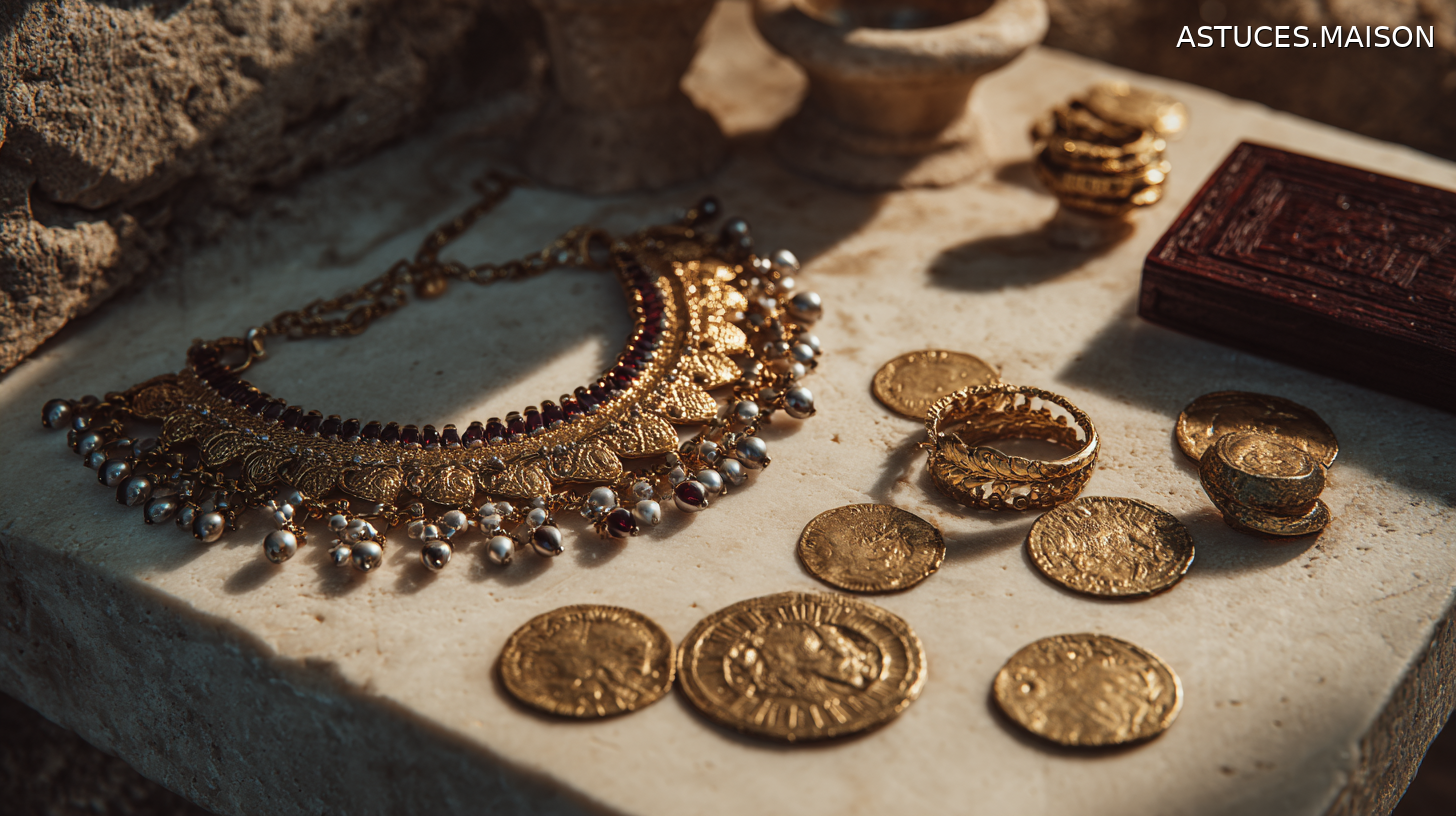
Material choices became crucial indicators of economic status across these civilizations. Wealthy individuals adorned themselves with precious metals—gold and silver—that gleamed with unmistakable luxury. The quality of craftsmanship, intricate detailing, and precious stone embellishments all contributed to a hierarchy that distinguished the affluent from common citizens.
Class distinctions manifested clearly through these accessories. While lower social classes might wear simple bronze or copper anklets, the elite displayed ornate pieces that required skilled artisans and expensive materials. This created visible social stratification, allowing instant recognition of one’s economic position within society.
The practice established jewelry’s enduring role as a status symbol, demonstrating how personal adornment could simultaneously express individual wealth and reinforce established social orders throughout ancient civilizations.

Modern Transformation: From Tradition To Contemporary Fashion
This ancient tradition of status and symbolism has undergone a remarkable metamorphosis in contemporary society, shifting from rigid social hierarchies to personal expression and aesthetic choice.
Today’s ankle bracelets represent a complete departure from their historical constraints. No longer bound by cultural obligations or social class distinctions, modern anklets have emerged as symbols of elegance, sensuality, and femininity. This transformation reflects broader societal changes where personal style trumps traditional expectations.
The contemporary ankle bracelet finds particular favor during summer months, seamlessly complementing breezy attire and sandals. This seasonal popularity stems from its ability to delicately accentuate the ankle, creating an understated yet alluring aesthetic that enhances the wearer’s silhouette.
Modern interpretations emphasize the anklet’s capacity to convey sophisticated femininity without overwhelming the overall look. Unlike their ancient counterparts that proclaimed wealth or marital status, today’s versions whisper rather than shout, offering subtle enhancement to casual and elegant outfits alike.
The shift from cultural mandate to fashion choice represents a fundamental evolution in jewelry’s social function. Where ancient civilizations used anklets to communicate fixed identities—wealth, marriage, or spiritual beliefs—contemporary society embraces them as tools for self-expression and style experimentation.
This democratization of ankle jewelry has liberated the accessory from its historical baggage, allowing wearers to enjoy its aesthetic benefits without cultural or social implications.

Contemporary Choices: Materials And Personal Expression
This newfound freedom from cultural constraints has opened unprecedented possibilities in material selection and personal styling choices, transforming the anklet into a versatile canvas for individual creativity.
Today’s ankle bracelets embrace an extensive range of materials, each offering distinct aesthetic possibilities. Silver and gold options provide refined, timeless elegance suitable for both casual and formal occasions. These precious metals ensure durability while maintaining the sophisticated appeal that transcends seasonal trends.
For those drawn to bohemian aesthetics, pearls and shells create summery, free-spirited touches that complement relaxed wardrobes perfectly. These natural materials evoke coastal vibes and organic beauty, ideal for vacation styling or everyday casual wear.
Colorful cords paired with charming pendants offer the most versatile option, enabling wearers to match accessories with specific outfits or moods. This approach allows for experimentation with different colors, textures, and decorative elements without significant investment.
The question of ankle selection—left versus right—frequently puzzles newcomers to anklet wearing. However, modern practice has definitively settled this debate: personal comfort and aesthetic preference reign supreme. No hidden meanings or cultural protocols govern this choice today.
Whether gravitating toward left or right depends entirely on individual comfort levels, dominant leg preferences, or simply which ankle showcases the jewelry most attractively with specific footwear. This practical approach reflects contemporary society’s emphasis on personal choice over prescribed traditions, allowing each wearer to determine their own anklet narrative.
Continue Reading →