

Understanding Personality Flaws And Human Nature
Every individual possesses a unique blend of characteristics that shape their interactions and responses to life’s challenges. Our personality serves as our strongest asset, influencing the connections we build and the ways we navigate difficulties. However, beneath these strengths lies an equally important aspect of human nature: our flaws.
These tiny imperfections make us fundamentally human. Rather than weaknesses to hide, our flaws represent authentic aspects of our character that contribute to our individuality. They serve as reminders that perfection isn’t the goal—genuine self-understanding is.
The journey toward personal growth requires acknowledging both our virtues and our shortcomings. When we embrace this balanced perspective, we create opportunities for meaningful development. Our vulnerabilities truly define who we are as individuals, often more powerfully than our obvious strengths.
This acceptance doesn’t mean settling for negative traits, but rather understanding them as starting points for improvement. The truth is that recognizing our worst tendencies allows us to address them constructively. Instead of viewing flaws as sources of shame, we can reframe them as areas where growth is possible.
Learning and growth emerge from this honest self-assessment. When we stop fighting against our imperfections and start working with them, we develop a more authentic relationship with ourselves and others. This self-awareness becomes the foundation for genuine personal transformation.

The Visual Personality Test Concept
While understanding our flaws requires honest self-reflection, sometimes an external tool can provide surprising insights into our hidden tendencies. Visual personality tests offer one such approach, using optical illusions to reveal subconscious patterns in how we perceive the world.
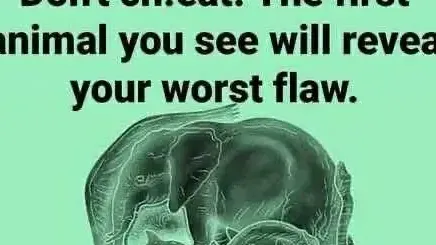
This particular assessment presents a fascinating challenge: an image that appears to show a complete human face but is actually composed of multiple animals cleverly arranged within the design. Each animal hidden in this visual puzzle represents a different personality flaw that individuals might possess.
The method itself is straightforward yet revealing. Participants must take a quick glance at the image and identify the very first animal they notice. This initial recognition supposedly bypasses conscious filtering and taps into deeper psychological tendencies.
The concept suggests that our subconscious mind gravitates toward certain visual elements based on our underlying personality traits. The animal that catches our attention first allegedly corresponds to our most prominent character flaw—what the test calls our “worst flaw.”
This approach assumes that our brain’s pattern recognition reveals more about our inner nature than deliberate self-analysis might. The visual composition creates a unique psychological snapshot, where split-second perception becomes a window into personality characteristics we might not readily acknowledge.
The test’s appeal lies in its simplicity and immediacy. Rather than lengthy questionnaires or complex psychological assessments, participants need only look and identify. This instant revelation promises to unlock insights about fundamental personality weaknesses through pure visual intuition.
Animal Meanings And Associated Character Flaws
Once you’ve identified the first animal that caught your attention, the interpretation reveals specific personality weaknesses according to this visual assessment. Each creature embedded within the composite image carries distinct symbolic meaning, creating a comprehensive map of human character flaws.
The larger animals tend to represent more pronounced personality traits. The elephant symbolizes stubbornness—an unwillingness to adapt or consider alternative perspectives. The pig indicates indulgence, suggesting someone who struggles with moderation in various life aspects. The horse represents pride, pointing to individuals who may prioritize ego over practical considerations.
Among the more dynamic creatures, the dolphin suggests impulsiveness, revealing tendencies toward hasty decision-making without proper consideration. The bear relates to rigidity, indicating resistance to flexibility in thinking or behavior. The fox represents avoidance—the tendency to dodge difficult situations rather than confront them directly.
Smaller animals often reveal subtler but equally significant character patterns. The rabbit shows insecurity, while the toucan reveals attention-seeking behavior. The kangaroo indicates inconsistency in actions or commitments, and the peacock naturally represents vanity.
Additional interpretations include the turtle for cautiousness, the whale for emotional isolation, and the gorilla for dominance. The duck reveals mood swings, the starfish suggests reality avoidance, the snake indicates manipulative tendencies, and the sloth bear points to procrastination habits.
Even the tiniest creatures carry meaning: the bird shows instability, the snail represents resistance to change, the cricket symbolizes anxiety, and the iguana suggests emotional distance. These interpretations create a detailed psychological profile based on split-second visual recognition.

Entertainment Value And Scientific Disclaimer
While these visual assessments create compelling psychological profiles, it’s important to understand their true nature and limitations. These personality tests lack scientific backing and shouldn’t be considered valid psychological evaluations or diagnostic tools.
The appeal of such visual tests lies primarily in their entertainment value rather than their accuracy. Many people find genuine enjoyment in exploring these playful interpretations of personality traits, using them as conversation starters or moments of self-reflection. The immediate, intuitive nature of spotting an animal creates an engaging experience that feels personally meaningful, even without scientific foundation.
Each animal association draws from cultural symbolism and common perceptions rather than empirical psychological research. The elephant’s connection to stubbornness, for instance, stems from the popular phrase “stubborn as an elephant,” while the fox’s link to avoidance reflects its reputation for cunning and elusiveness in folklore.
The key is approaching these results with the right mindset. Rather than treating them as definitive character assessments, they work better as lighthearted tools for introspection or entertainment. Some individuals use such tests as jumping-off points for deeper self-examination, while others simply enjoy the novelty of seeing which animal catches their attention first.
The real value lies not in the accuracy of results but in the process itself—the moment of looking inward and considering different aspects of personality. Whether the interpretation resonates or feels completely off-base, these visual exercises can spark interesting conversations about human nature and self-perception.
Continue Reading →