
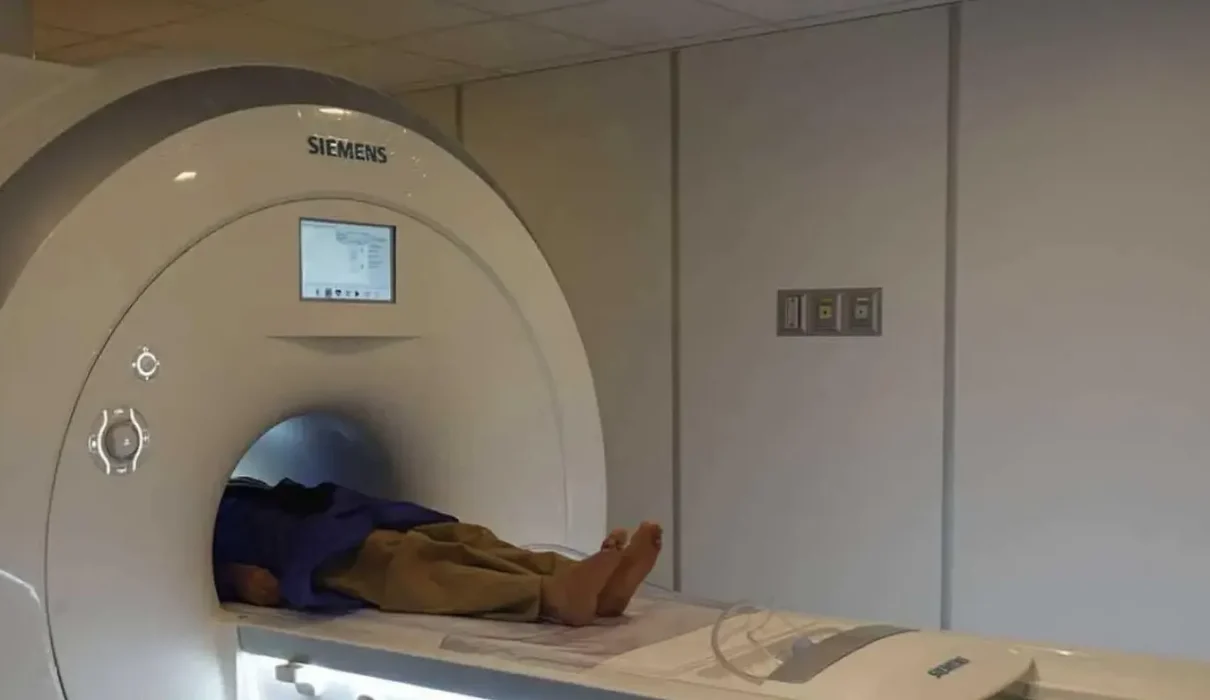

The Fatal Accident Details
A routine medical scan turned deadly when a 61-year-old New York resident was forcefully pulled into an operating MRI machine at Nassau Open MRI in Westbury, Long Island. The tragic incident occurred because the patient failed to remove a large metal chain necklace before entering the scanning room.
According to Nassau County Police reports, the man entered the MRI room while the powerful magnetic scanner remained operational. The strong magnetic field generated by the machine immediately seized the metal necklace, creating an unstoppable force that dragged him toward the equipment. The impact resulted in severe injuries that proved fatal.
The victim was rushed to a nearby hospital for emergency treatment. Despite medical efforts to save his life, he was confirmed dead the following day due to the extent of his injuries sustained from the magnetic pull incident.
This preventable tragedy at the Nassau County facility highlights the lethal potential of MRI technology when safety protocols fail. The powerful magnetic forces that make these machines invaluable for medical imaging can instantly transform everyday metal objects into deadly hazards, turning a simple piece of jewelry into an instrument of fatal attraction.
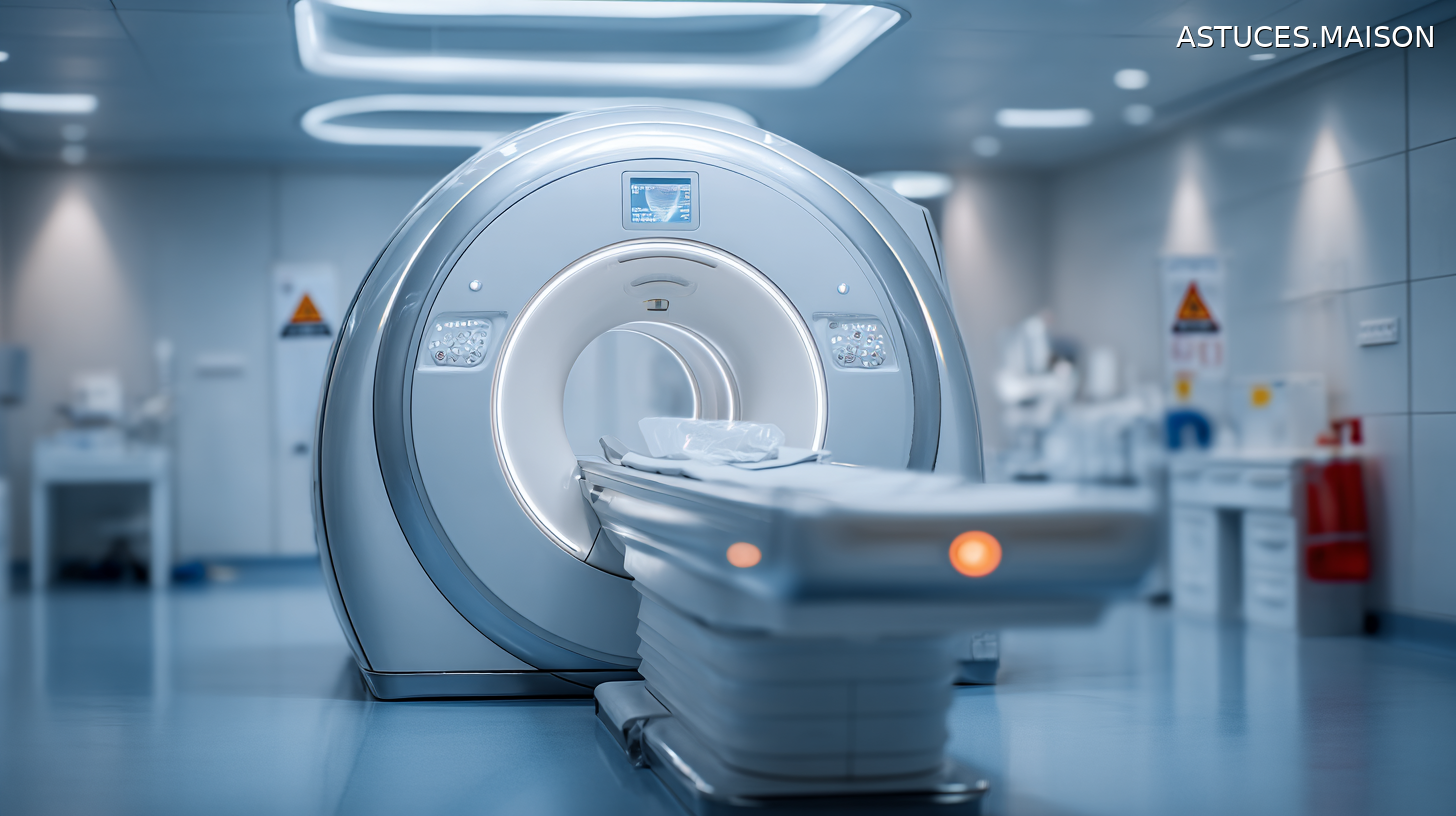
The Science Behind The Danger
The powerful magnetic forces that proved fatal in this Long Island incident represent one of medicine’s most potent yet hazardous technologies. MRI machines generate extremely strong magnetic fields that can reach intensities up to 60,000 times stronger than Earth’s natural magnetism, creating an invisible zone of deadly attraction around the scanner.
When ferromagnetic objects like steel jewelry enter this magnetic field, they instantly transform into high-velocity projectiles. The magnetic force acts without warning, pulling metal objects toward the scanner with tremendous acceleration that can exceed the strength of human resistance. Unlike gradual magnetic attraction, this force operates instantaneously, leaving victims no opportunity to react or escape.
The physics behind this lethal phenomenon explains why even small metal items become dangerous weapons. As ferromagnetic materials approach the MRI’s magnetic core, the attractive force increases exponentially with proximity. A simple chain necklace, harmless in everyday circumstances, becomes a deadly projectile capable of dragging a person directly into the machine’s powerful magnetic center.
This magnetic field remains constantly active during scanning procedures, creating a permanent danger zone that extends several feet from the equipment. The invisible nature of magnetic forces makes them particularly treacherous, as patients cannot visually detect the hazardous field that surrounds them upon entering the scanning room.
The Nassau County tragedy demonstrates how quickly ordinary metal objects can turn fatal when exposed to MRI technology’s immense magnetic power, transforming routine medical procedures into life-threatening encounters.
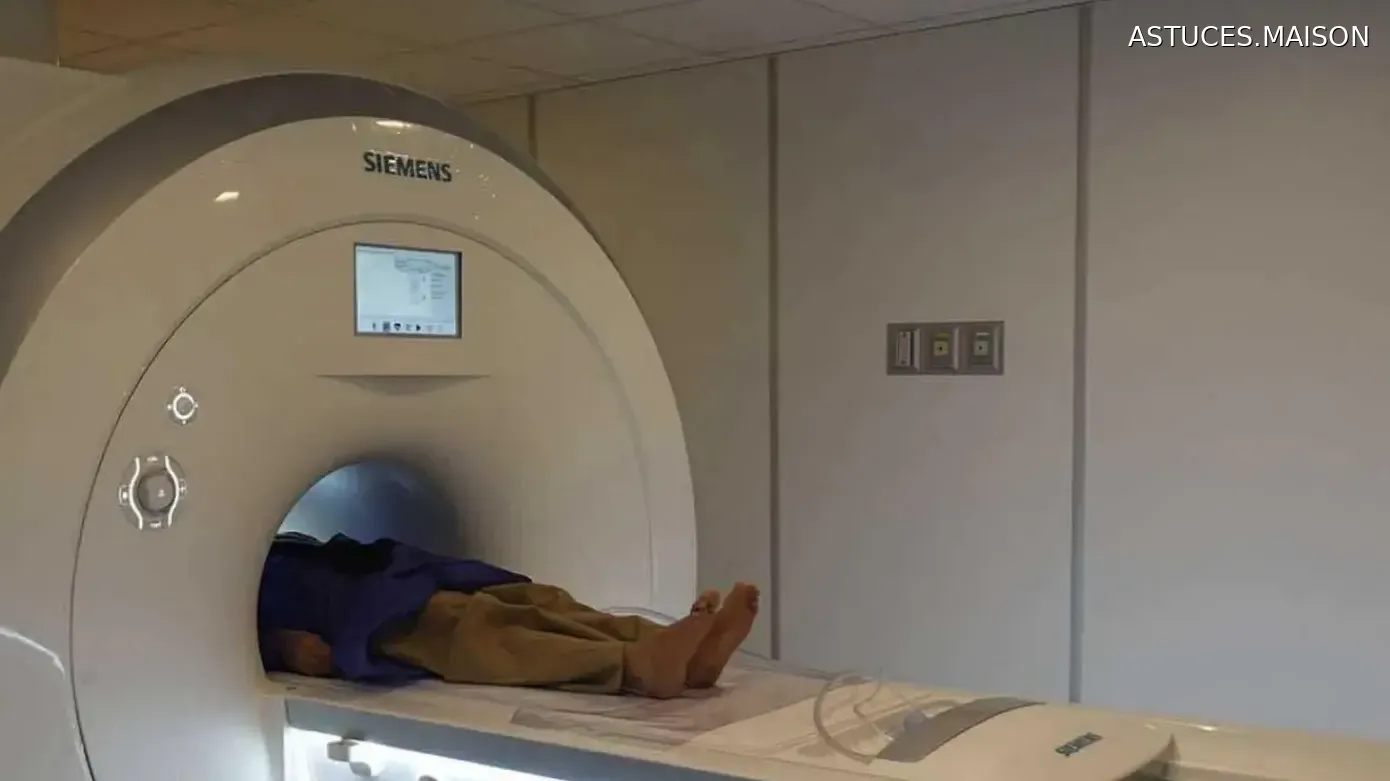
Established Safety Protocols
Given the lethal magnetic forces demonstrated in this tragedy, comprehensive safety regulations have long governed MRI operations to prevent exactly this type of fatal incident. MRI safety regulations strictly prohibit bringing any metal objects into scan rooms, establishing clear boundaries between safe areas and the dangerous magnetic field zone.
Standard medical protocols require patients to undergo thorough preparation before entering MRI facilities. Patients must change into hospital-approved clothing and submit to comprehensive screening procedures designed to identify any metal implants, jewelry, or accessories that could pose risks. These established procedures specifically mandate removing all metal jewelry, including necklaces, rings, and watches, before approaching the scanning equipment.
The U.S. Food and Drug Administration has emphasized the critical importance of these safety measures. According to FDA guidelines: « Carefully screening people and objects entering the MRI environment is essential to ensure that no item can become a projectile within the magnetic field. »
Healthcare facilities operating MRI equipment must implement multi-layered screening protocols that include visual inspections, metal detection systems, and detailed patient questionnaires about surgical implants or embedded metal objects. These safeguards create multiple checkpoints designed to catch any oversight before patients enter the hazardous magnetic field area.
The regulatory framework surrounding MRI safety represents decades of medical industry knowledge about magnetic field dangers. Yet the Nassau County incident reveals that even well-established protocols require consistent enforcement to prevent metal objects from entering areas where they become deadly weapons.
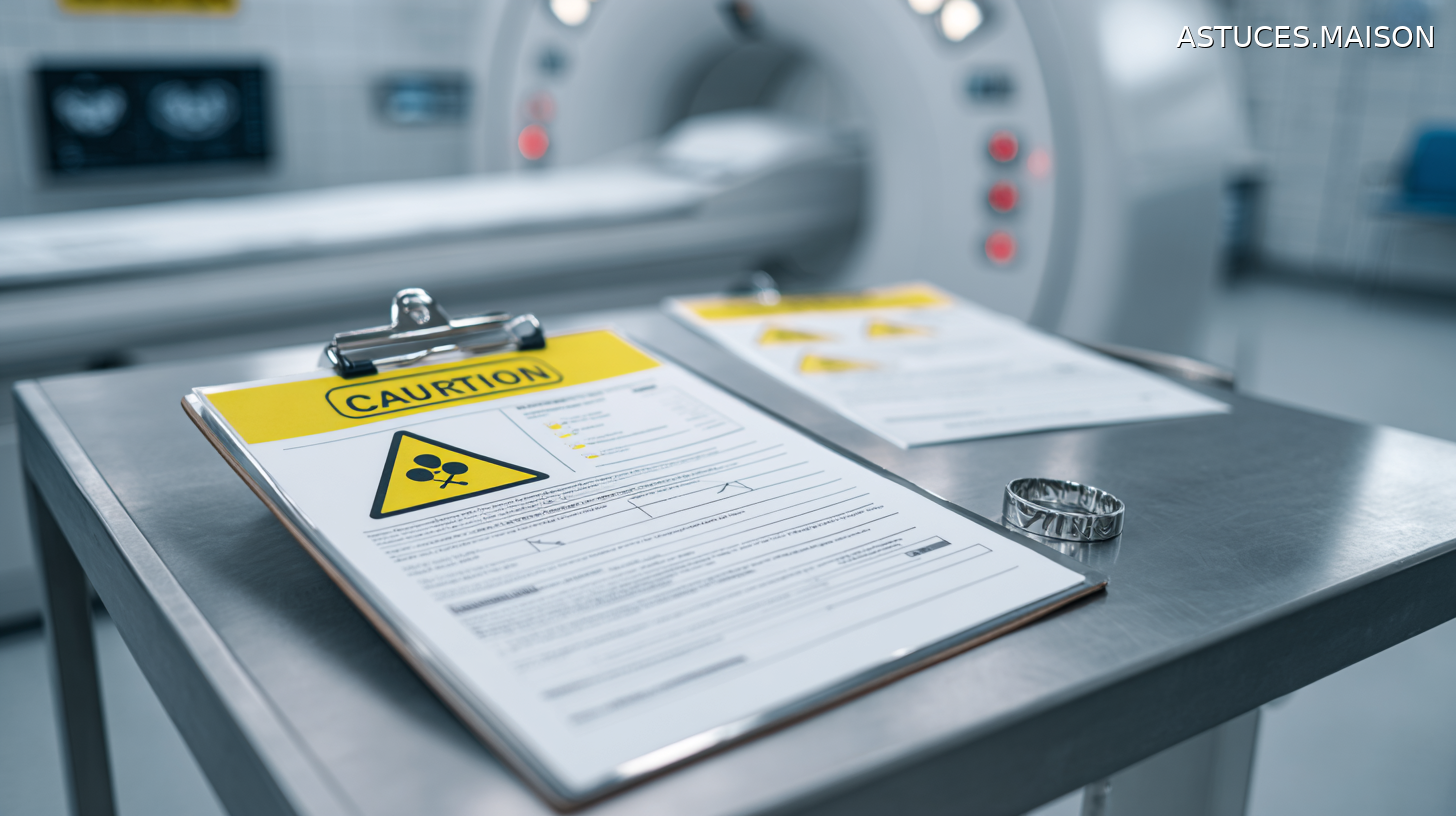
Prevention And Accountability
The tragic death at Nassau Open MRI exposes a fundamental breakdown in safety protocol enforcement that transformed routine procedures into a lethal oversight. Despite comprehensive regulatory frameworks designed to prevent exactly this scenario, the 61-year-old victim’s death demonstrates that established safety measures fail when not rigorously implemented at the facility level.
This preventable tragedy highlights critical gaps between written safety protocols and their practical application in medical settings. The victim’s metal chain necklace should have been identified and removed during mandatory pre-screening procedures, yet somehow passed through multiple safety checkpoints designed to catch such hazards. Each missed opportunity in the screening process contributed directly to the fatal outcome.
Medical facilities operating MRI equipment bear ultimate responsibility for ensuring strict adherence to metal detection protocols. Healthcare providers must implement foolproof systems that prevent any metal object from entering dangerous magnetic field zones, regardless of patient compliance or staff oversight. The powerful magnetic forces that pulled this victim into the machine operate without regard for human error or procedural shortcuts.
Proper screening procedures, if consistently followed, could have prevented this entirely avoidable death. The incident underscores that MRI safety protocols exist not as suggestions but as life-saving mandates requiring absolute compliance. When medical facilities fail to maintain rigorous safety standards, common jewelry becomes deadly projectiles within seconds.
This fatal accident serves as a stark reminder that MRI safety depends entirely on human vigilance in enforcing established protocols.
Continue Reading →