

The Tragedy That Sparked Urgent Medical Warnings
The devastating loss of a 5-year-old child to late-stage cancer has sent shockwaves through the medical community, prompting unprecedented urgency among health professionals worldwide. This heartbreaking tragedy has become the catalyst for doctors to break their silence about a critical yet often overlooked factor in childhood health: the foods we feed our children.
In the wake of this devastating loss, medical experts are no longer content to issue gentle dietary recommendations. Instead, they are making urgent appeals to parents everywhere, emphasizing that while cancer can stem from genetic or environmental factors, diet plays an increasingly critical role in the development of chronic diseases, including cancer.
The timing of these warnings is not coincidental. As childhood cancer rates continue to climb globally, doctors are witnessing patterns that cannot be ignored. The foods that fill our children’s lunchboxes and dinner plates may be silently compromising their developing immune systems and cellular health over time.
What makes this medical alert particularly compelling is the emphasis on parental control. Unlike genetic predispositions or environmental toxins, nutrition represents an area where families have direct influence over their children’s long-term health outcomes. The tragedy that sparked these warnings has transformed from a single family’s devastating loss into a powerful reminder that prevention must begin long before symptoms appear.
The medical community’s message is clear: the choices made in today’s kitchens could determine tomorrow’s health outcomes.

World Health Organization’s Carcinogenic Food Classifications
These urgent medical warnings are not based on speculation, but on concrete scientific evidence from the world’s leading health authority. The World Health Organization has made a groundbreaking classification that should alarm every parent: processed meats are officially listed as Group 1 carcinogens, placing them in the same dangerous category as tobacco smoking and asbestos exposure.
This classification means that processed meats—including the sausages, ham, and hot dogs commonly found in children’s lunch boxes—are definitively known to cause cancer in humans. The WHO’s decision was based on comprehensive analysis of over 800 studies examining the link between processed meat consumption and cancer development.
The primary culprits are nitrates and nitrites, chemical preservatives used to maintain color and extend shelf life in processed meats. These compounds transform into nitrosamines in the human body, directly damaging DNA and triggering cellular changes that lead to cancerous growth. For children, whose bodies are still developing and whose metabolic systems process chemicals differently than adults, regular exposure to these carcinogens poses exponentially higher risks.
What makes this classification particularly urgent is the vulnerability of developing bodies. Children’s immune systems and cellular repair mechanisms are still maturing, making them less equipped to neutralize or repair the damage caused by carcinogenic substances. The smaller body mass of children also means that identical amounts of harmful chemicals create more concentrated exposures.
This scientific evidence forms the foundation for understanding why certain everyday foods have become medical emergencies requiring immediate parental action.
The Five Foods Doctors Urgently Want Parents To Eliminate
Armed with this WHO evidence and understanding of children’s heightened vulnerability, medical professionals have identified five specific food categories that pose the greatest immediate threats to developing bodies.
Processed meats top this dangerous list, containing the same nitrates and nitrites that earned their carcinogenic classification. Sausages, ham, and hot dogs—staples in many children’s diets—deliver concentrated doses of these DNA-damaging compounds with every bite.
Sugary drinks and sodas present the second major threat. Beyond their obesity and diabetes risks, these beverages fuel chronic inflammation throughout the body. This inflammatory state creates cellular environments where cancerous changes can more easily take root and flourish, particularly in children’s rapidly dividing cells.
Deep-fried foods introduce acrylamide, a chemical compound formed during high-temperature cooking that animal studies directly link to cancer development. French fries, chicken nuggets, and similar favorites also flood children’s systems with trans fats that weaken immune defenses over time.
Instant noodles and packaged snacks deliver dangerous combinations of MSG, excessive sodium, and artificial enhancers that stress developing organ systems. Regular consumption disrupts normal metabolic function in ways that can persist into adulthood.
Finally, artificially colored sweets expose children to synthetic dyes and flavorings, some demonstrating carcinogenic potential in laboratory studies. Children’s smaller bodies concentrate these additives more intensely than adult systems can handle.
Each category represents a preventable risk that parents can immediately address through conscious food choices.

Prevention Through Kitchen Choices And Healthy Alternatives
These conscious food choices represent more than temporary dietary adjustments—they constitute a fundamental shift toward parental empowerment in disease prevention. Unlike genetic factors or environmental exposures beyond family control, nutrition remains entirely within parents’ decision-making authority.
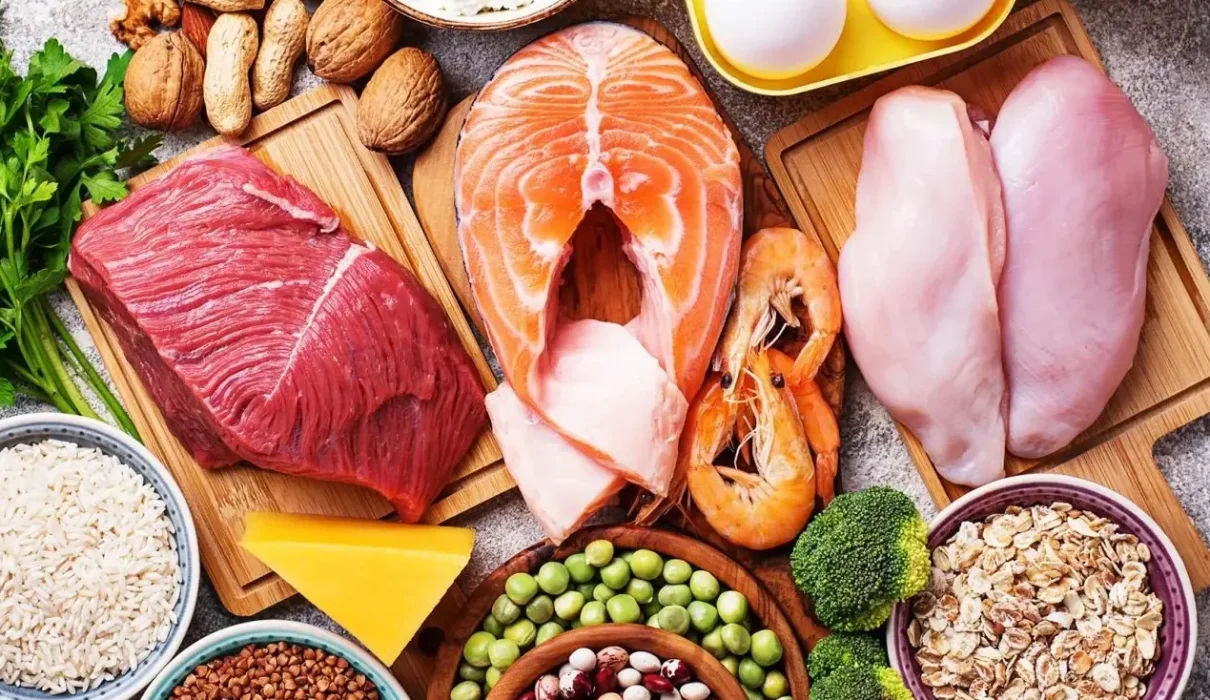
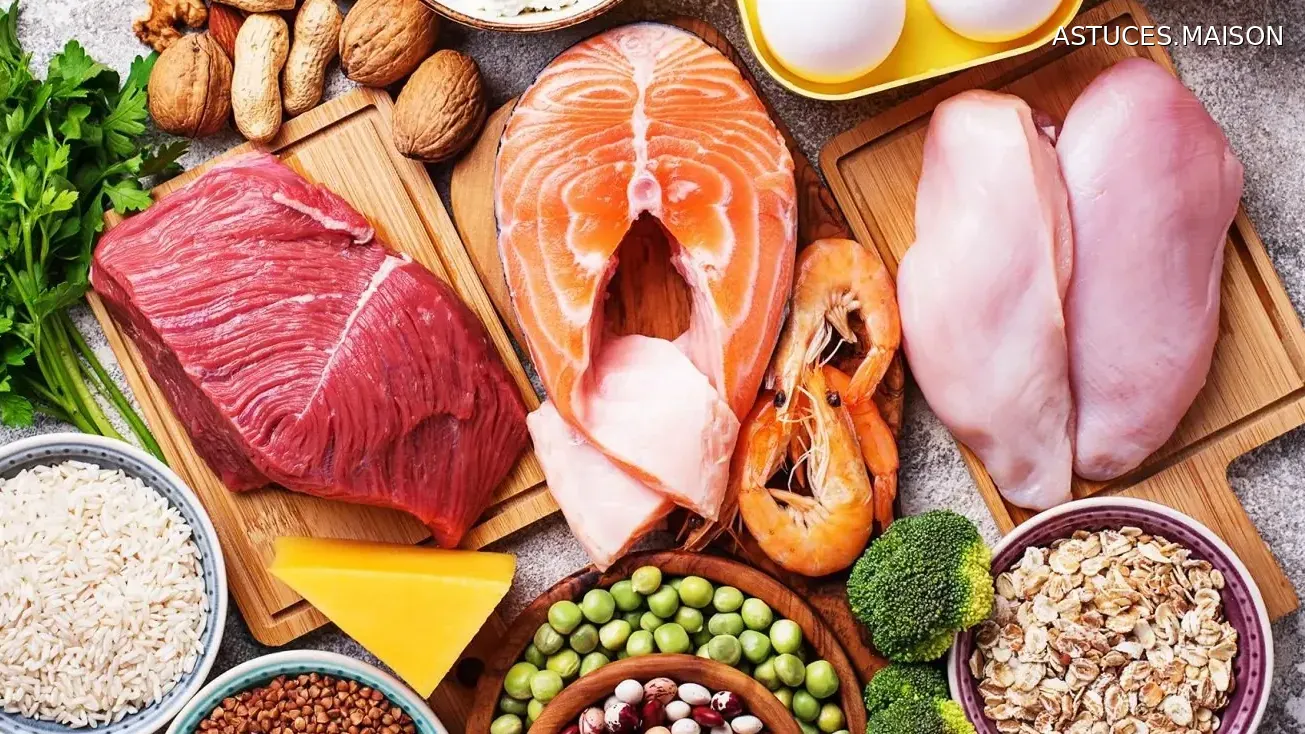
The transformation begins with simple substitutions. Fresh chicken, eggs, and beans replace processed meats while delivering superior protein quality. Water and diluted natural fruit juices eliminate the inflammatory triggers found in commercial sodas. Homemade meals using fresh ingredients not only avoid acrylamide and trans fats but also establish cooking skills children will carry into adulthood.
For packaged conveniences, whole foods like rice and vegetables provide genuine nutrition without MSG or excessive sodium. When children crave sweets, treats made from natural ingredients satisfy desires without synthetic dyes or artificial flavorings that stress developing systems.
The timing of these changes proves critical. Children’s bodies during rapid growth phases demonstrate remarkable responsiveness to nutritional improvements. Healthy eating patterns established early create cellular environments that resist disease development and build immune systems capable of lifelong protection.
Medical professionals emphasize that prevention truly starts in the kitchen. Each meal presents an opportunity to strengthen or weaken a child’s future health prospects. The foods chosen today—whether protective or harmful—will influence cellular function, immune capacity, and disease resistance for decades to come.
These daily decisions carry profound long-term consequences, making informed nutrition choices among the most powerful tools parents possess for safeguarding their children’s futures.
Continue Reading →