
The Deadly Paradox: Understanding Cassava’s Global Impact
The numbers present a startling contradiction that challenges our understanding of food safety worldwide. Over 500 million people consume cassava regularly, making it one of the most widely eaten foods on the planet. Yet this same staple claims more than 200 lives annually through improper preparation, earning it the grim distinction of being labeled the “world’s deadliest food.”
This paradox becomes even more striking when examining cassava’s global reach. Hundreds of millions of tons are grown worldwide each year, with the plant serving as a critical food source across multiple continents. Despite its deadly potential, families continue preparing and consuming cassava daily, often unaware of the lethal risks hidden within its seemingly innocuous appearance.
The danger lies in cassava’s natural defense mechanisms. The plant’s stems, peel, and leaves contain toxic compounds that can produce hydrogen cyanide when consumed improperly. What makes this particularly alarming is that the toxicity isn’t immediately apparent – the plant looks and often tastes normal until the poisoning begins.
The World Health Organization has documented this deadly pattern with sobering precision. « Cassava tubers contain varying amounts of cyanogenic glucosides that serve as a defense against animals and insects, » WHO explains. « When these glucosides are not processed correctly, cassava can release cyanide, leading to high dietary cyanide exposure. »
This toxic transformation from staple food to lethal threat reveals the critical importance of understanding proper preparation methods.
The Science Of Toxicity: How Cassava Becomes Lethal
These cyanogenic glucosides function as cassava’s primary survival strategy, evolved over millennia to protect the plant from predators. The biochemical process that transforms this defensive mechanism into human poison begins when the plant’s cellular structure is damaged through cutting, chewing, or improper processing.
When cassava tissues are broken down, naturally occurring enzymes called linamarase come into contact with the cyanogenic glucosides. This enzymatic reaction triggers the release of hydrogen cyanide gas – the same lethal compound used in chemical warfare. The process occurs rapidly once initiated, making timing critical in cassava preparation.
The concentration of these toxic compounds varies dramatically across different parts of the plant. While the tuberous roots contain moderate levels of cyanogenic glucosides, the leaves and bark harbor significantly higher concentrations. Bitter varieties of cassava can contain up to 50 times more toxins than sweet varieties, making identification crucial for safe consumption.
Environmental factors further complicate the toxicity equation. Drought conditions, poor soil quality, and plant stress can increase cyanogenic glucoside production, making previously safe cassava varieties suddenly dangerous. This unpredictability explains why even experienced cassava consumers can fall victim to poisoning.
The human body’s inability to efficiently process large amounts of cyanide compounds the problem. When consumption exceeds the body’s detoxification capacity, the poison accumulates in tissues, particularly affecting the nervous system. This toxic buildup creates the foundation for severe health complications that can manifest weeks after initial exposure.

Konzo: The Devastating Consequence Of Poor Preparation
This toxic buildup manifests most dramatically in a condition known as konzo, a debilitating neurological disease that strikes without warning. Victims experience sudden, irreversible paralysis in their legs, transforming active individuals into permanently disabled patients within days or even hours of onset.
Konzo represents the most severe consequence of cassava poisoning, primarily affecting communities already struggling with malnutrition. The condition occurs when bitter cassava consumption coincides with low-protein diets, creating a perfect storm of toxicity. Protein deficiency impairs the body’s ability to detoxify cyanide compounds, allowing them to accumulate to dangerous levels in nervous tissue.
The disease strikes most mercilessly during periods of extreme hardship. Famine and war create desperate circumstances where communities resort to consuming improperly prepared cassava as their primary survival food. These crisis situations eliminate the luxury of proper food preparation, forcing people to choose between starvation and potentially poisonous sustenance.
Regions suffering from extreme poverty bear the heaviest burden of konzo outbreaks. The condition can emerge sporadically, affecting isolated individuals, or explode into full epidemics that devastate entire communities. Once paralysis sets in, victims face a lifetime of disability with limited access to medical care or rehabilitation services.
The irreversible nature of konzo makes prevention the only viable defense. Unlike other forms of food poisoning that eventually resolve, the neurological damage caused by chronic cyanide exposure cannot be undone, leaving survivors dependent on family support in regions where resources are already scarce.
Safe Consumption: Proper Preparation Methods Save Lives
While konzo’s devastating effects cannot be reversed, proper cassava preparation offers complete protection against cyanide poisoning. The key lies in understanding that time and patience transform this deadly plant into safe nourishment for millions.
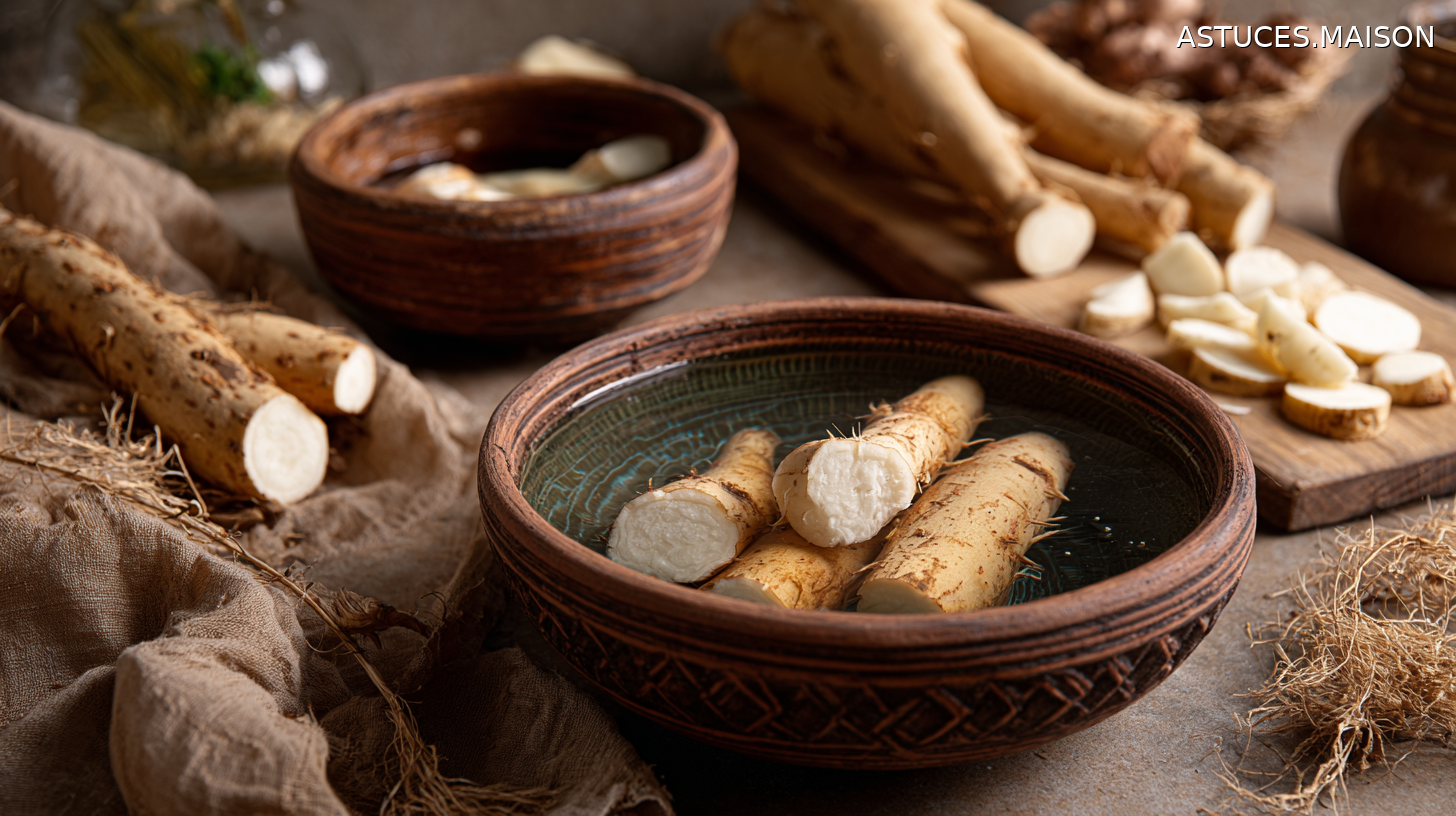
Traditional processing methods require soaking cassava for up to 24 hours, allowing water to leach out dangerous cyanogenic glucosides before consumption. This lengthy procedure cannot be rushed or shortened without compromising safety. The WHO emphasizes that proper processing eliminates virtually all risk of cyanide exposure when followed correctly.
However, desperation often overrides caution. In Venezuela, communities facing severe food scarcity consumed cassava in its dangerous form, relying on whatever sustenance they could find during crisis periods. This tragic example, documented by El País, illustrates how survival instincts can lead people to accept deadly risks when alternatives disappear.
The solution lies in education and preparation planning. Communities that understand safe processing techniques can maintain cassava as a reliable food source even during difficult times. Knowledge of proper soaking, peeling, and cooking methods spreads protection throughout vulnerable populations.
As awareness grows about cassava’s dual nature, more communities adopt traditional wisdom that has safely sustained generations. These time-tested preparation methods prove that what makes cassava deadly also makes it conquerable through simple but essential processing steps that save hundreds of lives annually.
Continue Reading →