
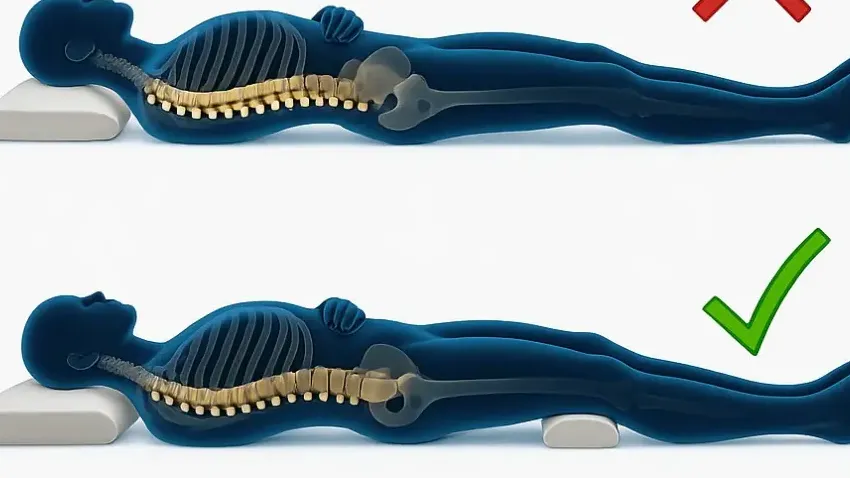

Why Sleep Posture Is Your Health’s Hidden Game-Changer
Picture this: you spend roughly one-third of your life—about 25 years—curled up, sprawled out, or nestled in bed. That’s a staggering amount of time with your body locked in a single position. If that position is misaligned, it’s like driving a car with a crooked wheel—small issues compound into major problems over time.
Poor sleep posture doesn’t just leave you stiff in the morning; it can trigger chronic pain, disrupt your sleep quality, and even contribute to serious health conditions. When your body isn’t properly aligned during sleep, it strains your muscles, joints, and nerves. This can lead to issues like neck pain, lower back soreness, nerve compression, and poor circulation.
Worse, it can interfere with your sleep cycles, preventing you from reaching the deep, restorative stages of rest your body craves. The result? You wake up feeling groggy, irritable, and far from refreshed, even after eight hours in bed.
But here’s the transformative truth: small tweaks to how you sleep can unlock profound benefits. By understanding the science of sleep posture and making intentional changes, you can wake up energized, pain-free, and ready to conquer your day. Your nightly rest isn’t just downtime—it’s your body’s most critical repair session, and proper positioning determines whether you emerge restored or damaged.

The Sleeping Positions You Need To Avoid At All Costs
Now that you understand how critical proper alignment is during those crucial 25 years in bed, let’s expose the positions that are silently sabotaging your health night after night. Not all sleep positions are created equal—some feel cozy but wreak havoc on your body.
Stomach sleeping might feel snug and secure, but it’s a nightmare for your spine and neck. When you lie face-down, your head is forced to twist to one side so you can breathe. This unnatural angle strains your neck muscles and compresses the delicate nerves in your cervical spine. Over time, this can lead to chronic neck pain, tension headaches, and even numbness in your arms. Your spine suffers too—lying on your stomach flattens the natural curve of your lower back, putting excessive pressure on your lumbar region and potentially contributing to herniated discs.
Ever wake up with tingling hands or a “pins and needles” sensation? Sleeping with your arms overhead or tucked under your pillow could be the culprit. This position restricts blood flow and compresses nerves in your shoulders and arms, potentially leading to shoulder strain, reduced mobility, and even conditions like carpal tunnel syndrome.
Even the beloved fetal position can backfire when taken too far. Curling up too tightly—knees pulled to chest, chin tucked down—compresses your lungs, making it harder to breathe deeply and reducing oxygen flow to your brain and muscles while adding unnecessary tension to your neck and lower back.
Recognizing these harmful patterns is the first step toward transformative change.
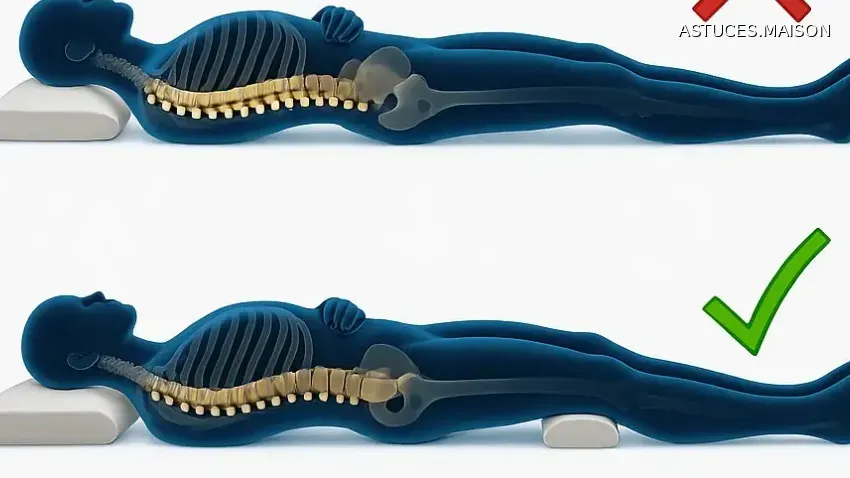
The Gold Standard: Why Left-Side Sleeping Reigns Supreme
Now that you’ve identified the positions sabotaging your health, let’s unveil the sleep position that experts universally champion: left-side sleeping. This isn’t just another comfortable option—it’s a scientifically-backed powerhouse that transforms your nightly rest into active healing.
Your anatomy holds the key to why this position works so brilliantly. Your stomach and pancreas naturally sit on your body’s left side, and sleeping on your left allows gravity to assist their functions seamlessly. Food moves more smoothly through your digestive tract, reducing bloating and discomfort—especially beneficial for those prone to sluggish digestion.
Left-side sleeping also takes crucial pressure off your heart and major blood vessels, promoting superior circulation throughout your body. This enhanced blood flow delivers more oxygen and nutrients to your organs while supporting cardiovascular health. For pregnant women, this position is particularly vital as it optimizes blood flow to the developing fetus.
Struggling with nighttime heartburn? This position keeps your stomach positioned below your esophagus, preventing acid from creeping upward and causing discomfort—a natural solution that often eliminates the need for medication.
Unlike the spine-damaging positions we’ve exposed, left-side sleeping maintains your back’s natural curvature when done correctly. Your spine, neck, and hips remain in neutral alignment, eliminating strain and preventing pain. Additionally, this position opens your airways, making breathing easier and reducing snoring—especially beneficial for those with mild sleep apnea.
The transition to this optimal position is simpler than most people imagine, requiring just a few strategic adjustments to your sleep setup.

How To Optimize Your Sleep Posture Tonight
Ready to make those strategic adjustments? Transforming your sleep posture doesn’t require major overhauls—just smart, targeted changes that your body will immediately appreciate.
Start with your pillow, your sleep posture’s most critical ally. It should maintain perfect head and neck alignment with your spine—neither tilted upward nor sagging downward. For side sleepers, choose a medium-firm pillow that fills the gap between your shoulder and ear precisely. Back sleepers need thinner pillows to prevent forward head pushing, while stomach sleepers should opt for very thin pillows or skip them entirely.
Here’s a game-changing secret for side sleepers: place a pillow between your knees. This simple addition keeps your hips aligned, eliminates lower back pressure, and prevents your legs from twisting during sleep. Use a firm pillow or dedicated knee pillow for optimal support.
Your mattress plays an equally starring role. A medium-firm mattress provides the perfect balance—supporting your body while maintaining spinal alignment. Too soft causes hip sinking and spine misalignment; too firm creates pressure points leaving you sore.
Training your body requires patience but works remarkably well. Place a pillow behind your back to prevent rolling over, or embrace a body pillow that keeps your arms and legs properly positioned. A quick pre-bed stretch routine targeting your neck, shoulders, hips, and lower back prepares your muscles for optimal alignment.
These adjustments work synergistically, creating the foundation for truly restorative sleep that transforms how you feel every morning.
Continue Reading →