
The Shocking Discovery: Plastic At Earth’s Final Frontier
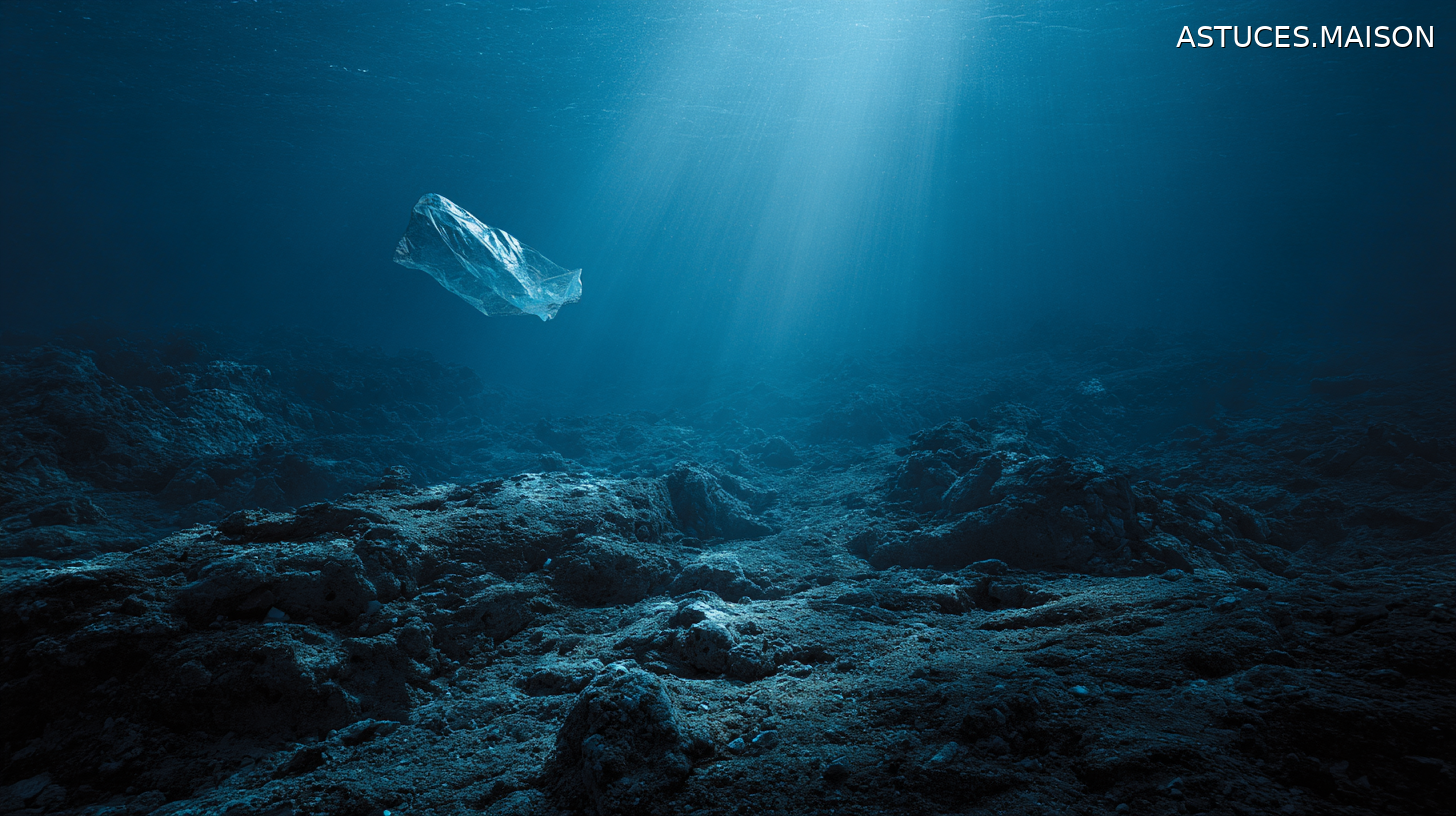
Scientists exploring humanity’s last untouched frontier have uncovered a devastating truth that shatters our illusions about pristine ocean depths. At 36,000 feet below the surface—deeper than Mount Everest is tall—a single plastic bag drifts in the Mariana Trench, marking the deepest known piece of human waste on Earth.
This disturbing revelation emerged from a comprehensive analysis of the Deep-Sea Debris Database, a repository documenting three decades of deep-ocean exploration. Researchers meticulously examined footage from 5,010 dives conducted between 1983 and 2017, discovering that human contamination has reached even the planet’s most remote abyss.
The discovery traces back to 1998, when operators of the Japanese remotely operated vehicle KAIKO first spotted the flimsy shopping bag floating at Earth’s deepest accessible point. The 2018 study confirmed this finding, documenting the bag at precisely 10,898 meters depth—a stark symbol of humanity’s far-reaching environmental impact.
What makes this discovery particularly alarming is the complete contradiction it represents. The Mariana Trench, located in the Pacific Ocean near Guam, was long considered an untouchable sanctuary, protected by crushing pressure equivalent to 50 jumbo jets pressing down on every square meter. Yet even these extreme conditions couldn’t shield this underwater realm from human pollution.
This single plastic bag represents more than isolated contamination—it signals the beginning of understanding just how extensively human waste has infiltrated our planet’s final frontier.

The Scope Of Deep-Sea Contamination: Numbers That Tell A Disturbing Story
That solitary plastic bag represents merely the tip of an underwater iceberg of contamination. Analysis of the Deep-Sea Debris Database reveals a disturbing pattern that transforms this single discovery into evidence of systematic pollution reaching Earth’s deepest places.
The numbers paint a stark picture of humanity’s throwaway culture invading the abyss. Eighty-nine percent of all plastic debris discovered in the Mariana Trench consists of single-use items—products designed for momentary convenience but destined for permanent environmental damage. Plastic bags, like the one spotted at maximum depth, constitute the largest portion of this waste stream.
Scientists documented over 3,000 pieces of human-made debris throughout their comprehensive database analysis, with plastic emerging as the most prevalent form of deep-sea contamination. More than one-third of this debris has already broken down into microplastics—tiny fragments that settle across the seafloor like an invisible blanket of pollution.
These microscopic particles accumulate in staggering concentrations, with thousands of pieces detected per liter of water in the most contaminated deep-sea regions. The systematic nature of this contamination suggests that the plastic bag discovery represents not an anomaly, but rather a predictable consequence of global waste patterns reaching even the planet’s most remote corners.
What makes these statistics particularly alarming is their location—these aren’t shallow coastal waters where pollution might be expected, but the deepest accessible parts of our planet where marine life has evolved in complete isolation for millions of years.
Direct Impact On Marine Life: When Wildlife Meets Waste
This pollution infiltrating ancient ecosystems creates devastating encounters between marine life and human debris. The Deep-Sea Debris Database analysis reveals that seventeen percent of plastic images document direct interactions between waste and living creatures—a sobering statistic that transforms abstract contamination data into tangible wildlife tragedy.
Deep-sea creatures that have thrived in darkness for millennia now navigate through fields of human refuse. Coral formations, jellyfish, and octopus have all been photographed entangled in plastic materials or actively consuming debris fragments. These encounters range from external entanglement that restricts movement to direct ingestion that clogs digestive systems.
The vulnerability of deep-sea ecosystems amplifies these impacts exponentially. Unlike surface marine environments where rapid reproduction and growth cycles allow some recovery from pollution stress, deep-sea creatures develop extremely slowly. A single piece of plastic debris can affect the same organism for decades, while microplastic contamination accumulates in tissue faster than natural elimination processes can remove it.
Research examining deep-sea amphipods—tiny crustaceans fundamental to abyssal food webs—discovered microplastic particles in seventy-two percent of specimens. These contaminated creatures then carry pollution up through food chains, affecting every predator that feeds on them.
The irony proves particularly stark: organisms that evolved in Earth’s most isolated environment now face contamination from a species they have never encountered, creating an evolutionary challenge for which millions of years of adaptation provide no defense mechanism.
The Source Trail: From Human Activities To Ocean Depths
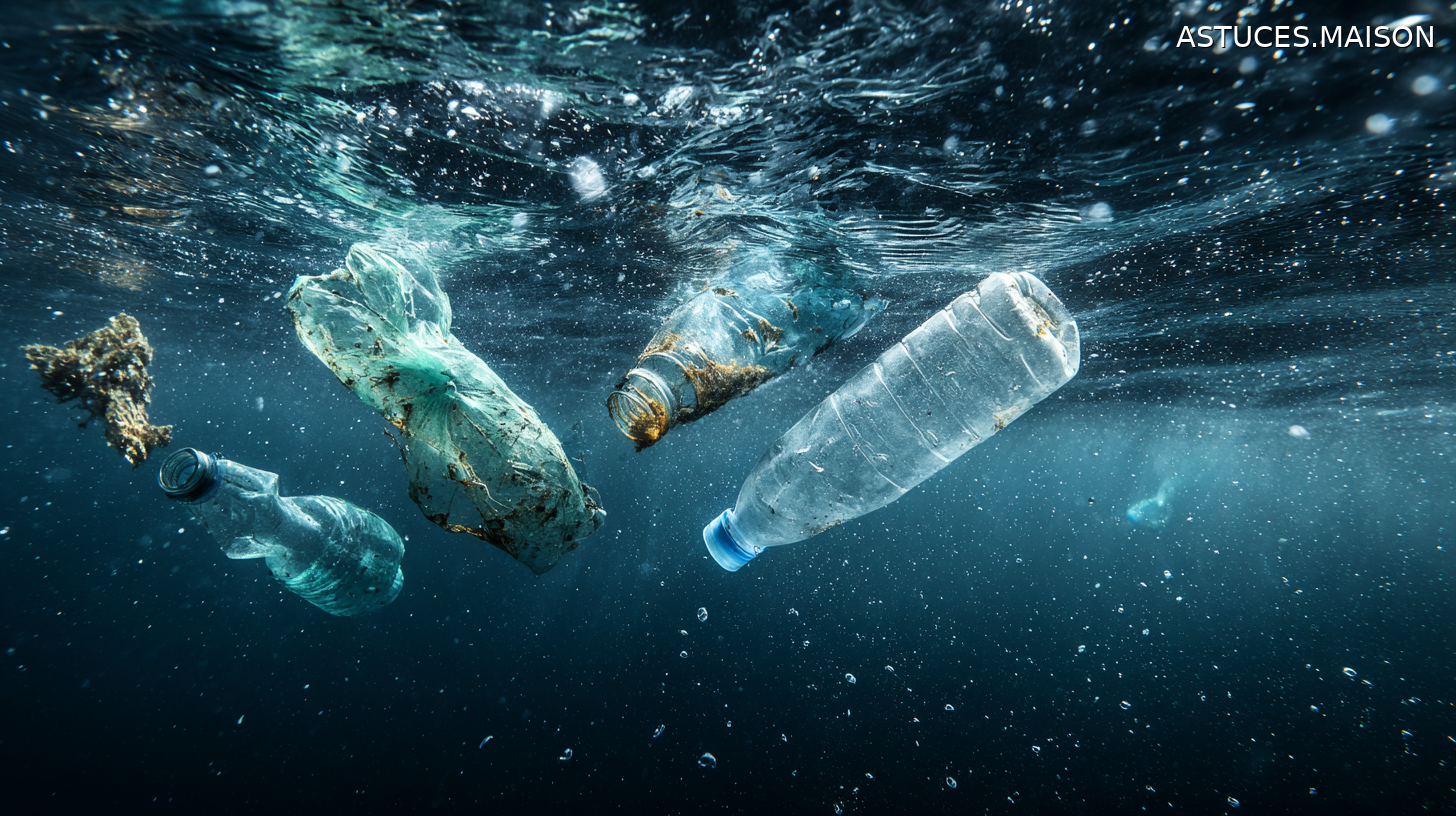
While deep-sea creatures struggle with evolutionary challenges they never should have faced, tracking the origins of this contamination reveals a disturbing network of human negligence spanning continents and oceans. The plastic choking ancient ecosystems didn’t materialize spontaneously—it followed predictable pathways from human activities to the deepest trenches on Earth.
Maritime vessels contribute directly through dumping practices, accounting for twenty percent of oceanic plastic pollution. However, the remaining eighty percent originates from land-based sources, creating a massive terrestrial-to-marine contamination pipeline that funnels waste across thousands of miles.
Ten major rivers serve as primary plastic highways, carrying debris from densely populated regions directly into ocean systems. These waterways channel everything from discarded packaging to industrial waste, transforming natural river networks into conveyor belts for human refuse. The Yangtze, Indus, Yellow, Hai, Nile, Ganges, Pearl, Amur, Niger, and Mekong rivers collectively transport millions of tons of plastic waste annually.
Discarded fishing gear represents another significant contamination source. Studies tracking massive garbage patches like the Great Pacific Garbage Patch between Hawaii and California reveal that abandoned nets, lines, and equipment constitute the bulk of these floating debris fields.
This comprehensive contamination network demonstrates how localized human activities create global environmental consequences. A plastic bag discarded thousands of miles inland can ultimately settle in the Mariana Trench, illustrating the interconnected nature of planetary pollution systems and the far-reaching implications of seemingly isolated consumer decisions.
Continue Reading →