
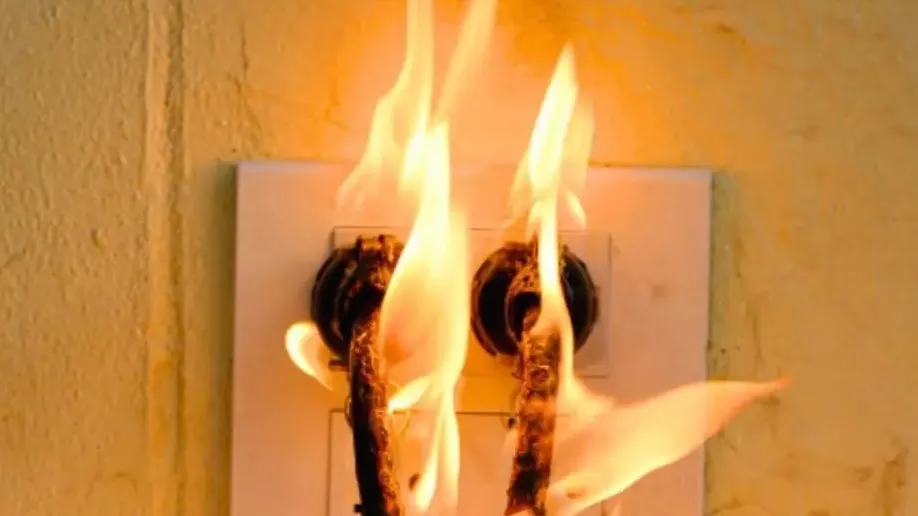
The Hidden Cost Of Phantom Power In Your Home
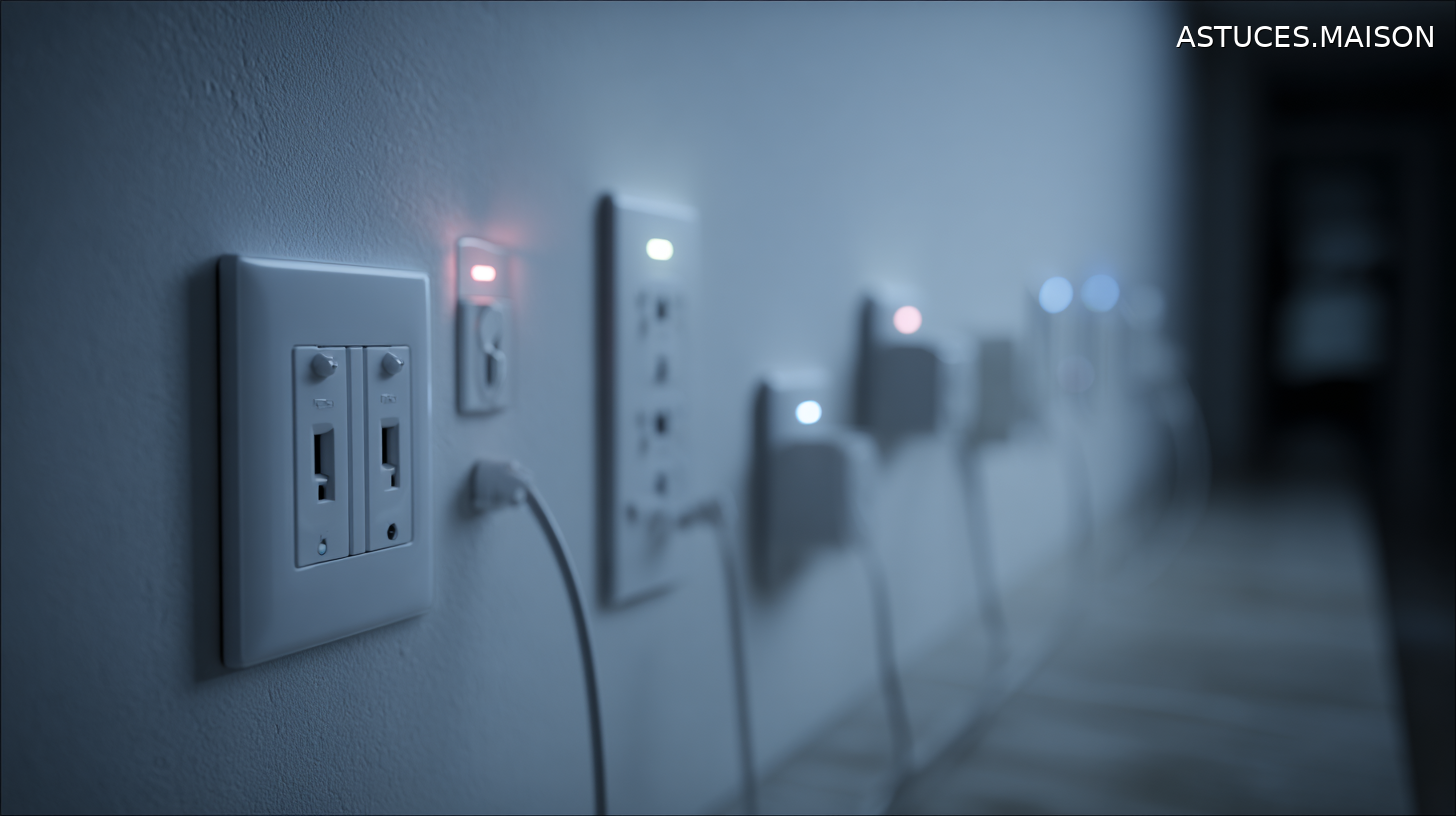
Most homeowners focus on turning off lights and adjusting thermostats to cut energy costs, but there’s a silent budget drain happening right under their noses. Phantom power, also known as standby power, occurs when appliances continue drawing electricity even after being switched off. This invisible energy consumption affects nearly every electronic device in your home.
Energy experts estimate that standby power can account for up to 10 percent of household electricity use. While individual devices may only draw small amounts, the cumulative effect across multiple appliances creates a substantial impact on monthly bills. A typical household operates dozens of electronics simultaneously, from coffee makers maintaining their clocks to televisions staying ready for instant startup.
The phenomenon extends far beyond obvious culprits like entertainment systems. Kitchen appliances, heating devices, and even small gadgets with digital displays contribute to this constant energy drain. Many devices require power to maintain memory settings, respond to remote controls, or display time and status indicators.
Over the course of a year, phantom power can add hundreds of dollars to electricity bills without providing any actual benefit to homeowners. The waste becomes even more significant when considering that most people remain completely unaware of this ongoing consumption. Understanding which specific appliances contribute most to this hidden cost represents the first step toward meaningful energy savings and improved home safety.
Kitchen Appliances That Secretly Drain Your Budget
The kitchen harbors some of the worst phantom power offenders in your home. These everyday appliances continue consuming electricity long after you’ve finished cooking, creating both financial and safety concerns that most homeowners never consider.
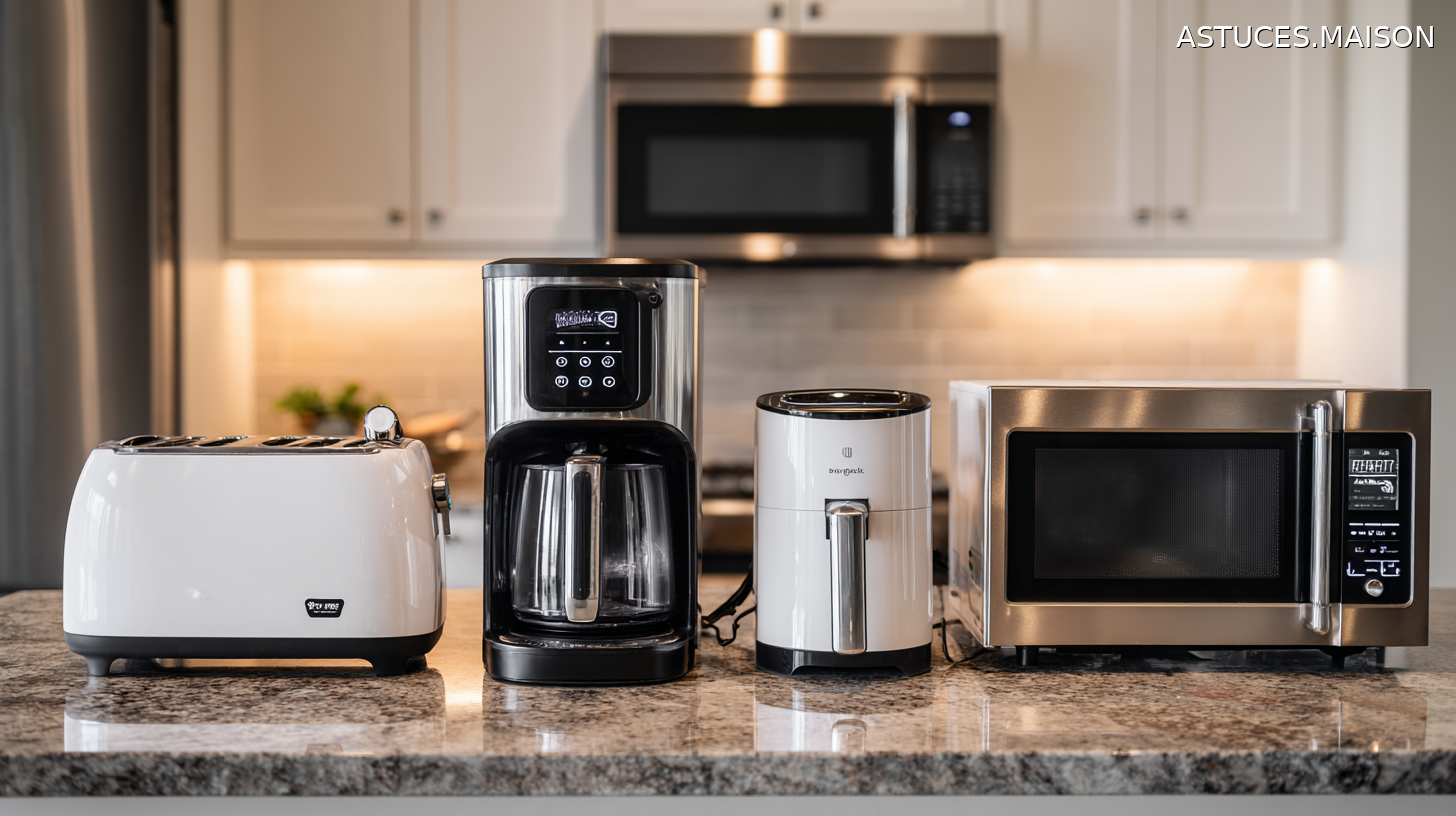
Toasters and toaster ovens rank among the most problematic devices. Beyond their standby power draw, accumulated crumbs create fire hazards when units remain plugged in. Older models lack modern safety features, making them particularly vulnerable to overheating or short-circuiting near flammable materials like paper towels.
Coffee makers present another significant drain on your budget. Many models consume power continuously to maintain their digital clocks and keep heating elements ready for instant brewing. Even with auto-shutoff features, the constant energy flow stresses internal components and inflates utility bills throughout the year.
Air fryers, despite their popularity, draw electricity for digital displays and memory settings even when idle. The combination of grease residue around plugs and constantly active circuits increases the risk of electrical failures, especially when positioned near combustible kitchen items.
Microwaves represent one of the biggest phantom power users in your kitchen. The clock display alone consumes electricity around the clock, while internal circuits remain active to enable instant response when buttons are pressed. This convenience comes at a substantial cost over time.
Each of these appliances poses unique risks beyond energy waste, particularly when heat-producing elements combine with kitchen materials.
Space Heaters: A Double Threat To Safety And Savings
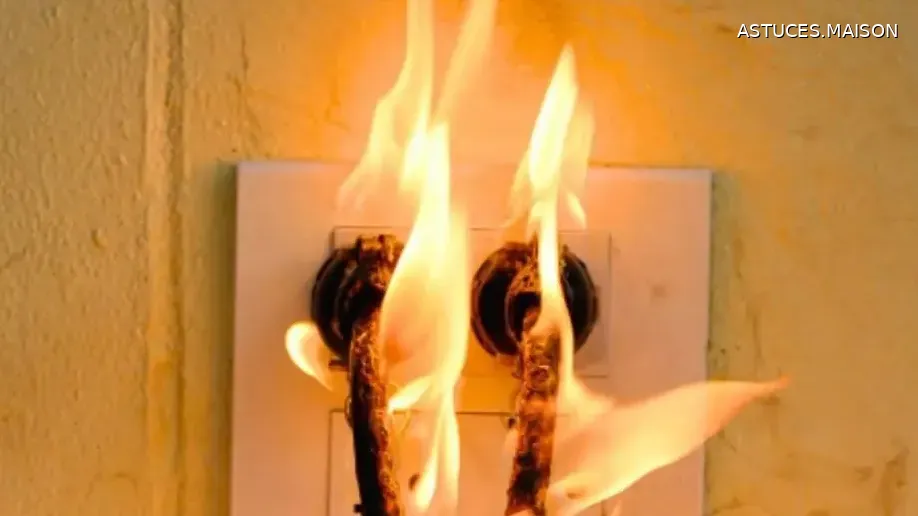
While kitchen appliances create significant phantom power issues, the real danger extends beyond the cooking area. Space heaters represent one of the most hazardous devices in your home, combining substantial energy waste with serious fire risks that many families underestimate.
Even when switched off, space heaters continue drawing power if left plugged in. This standby consumption adds unnecessary costs to your electricity bill while creating potential safety hazards. If a heater falls over or gets bumped while still connected, it can overheat or short-circuit, posing immediate danger in homes with pets or small children.
Older space heater models present particularly serious risks. Many lack modern safety protections like automatic shutoff features or temperature sensors, making them prone to overheating without warning. When positioned near flammable materials such as blankets, towels, or curtains, these devices become potential fire starters.
The electrical demands of space heaters create additional hazards. These compact devices pull substantial energy and can easily overload circuits, especially when plugged into extension cords or already-busy outlets. The combination of high power draw and heat generation makes proper electrical safety crucial.
Unplugging your space heater after each use eliminates these risks while extending the appliance’s lifespan. This simple habit prevents accidental activation, reduces phantom power consumption, and provides peace of mind during the heating season.
The safety principles that apply to space heaters extend to other high-risk household devices that require similar attention.
Simple Habits That Protect Your Home And Wallet
Those safety principles become even more effective when combined with smart daily habits that address the root causes of phantom power and electrical hazards. Creating a routine of unplugging appliances serves as your first line of defense against both energy waste and fire risks throughout your home.
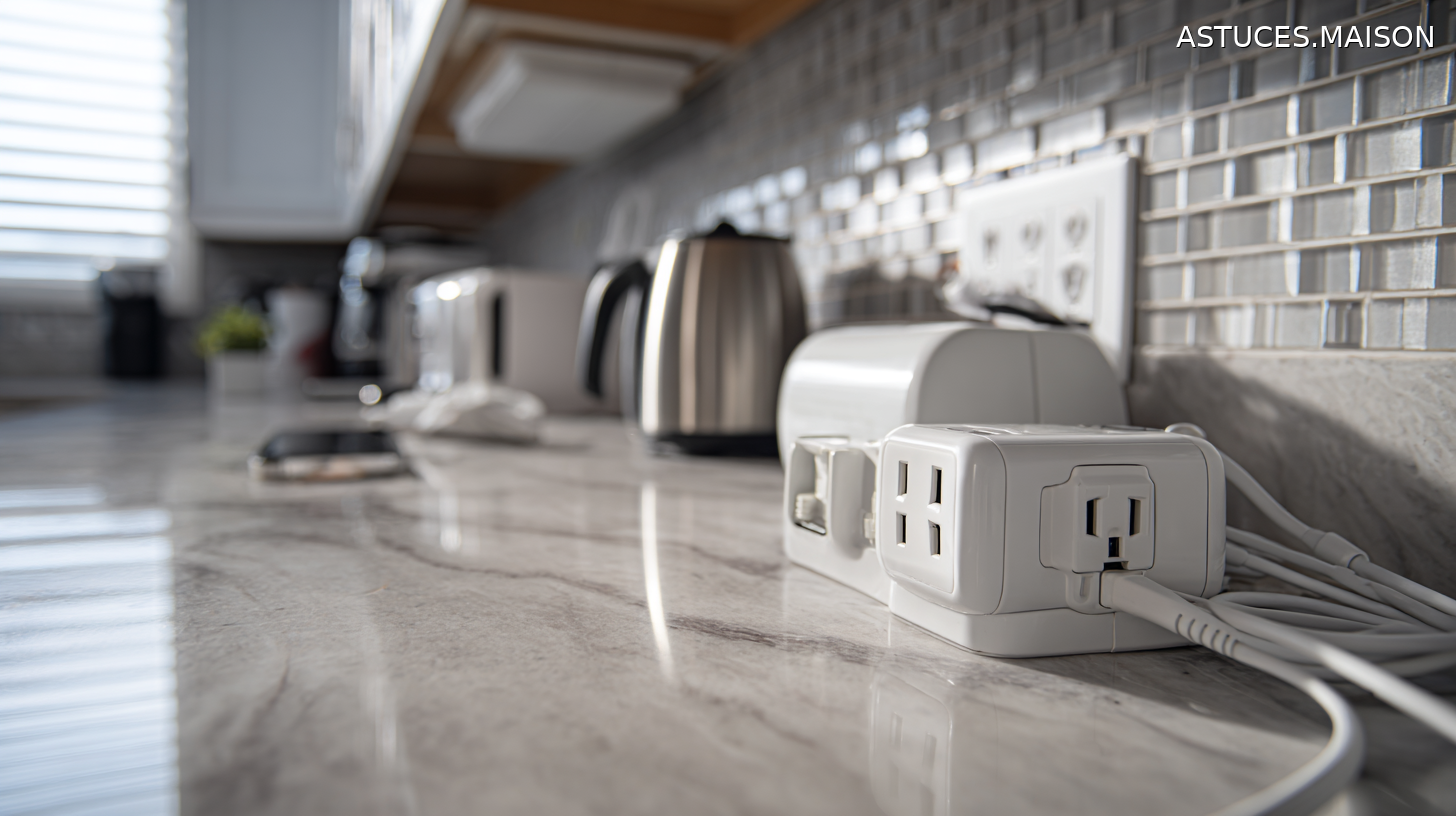
Smart power strips offer an automated solution for busy households. These devices detect when electronics enter standby mode and automatically cut off unnecessary power flow, eliminating the need to manually unplug multiple devices. They’re particularly effective for entertainment centers and home office setups where several devices cluster together.
Regular cord inspection forms another crucial safety habit. Check plugs and cables weekly for signs of damage like cracks or fraying. Replace any damaged cords immediately rather than hoping they’ll last a bit longer. This simple step prevents electrical fires before they start.
Avoiding outlet overload protects your home’s electrical system. Never plug heat-producing appliances like toasters or space heaters into power strips or extension cords. These devices require dedicated outlets to handle their substantial power demands safely.
Additional energy-saving measures amplify your results. Switching to LED bulbs cuts electricity use significantly while lasting much longer than traditional incandescent lights. Adjusting your thermostat by just a few degrees reduces HVAC strain and monthly costs.
Unplugging chargers and small gadgets when finished using them eliminates another source of phantom power consumption. These devices continue drawing energy even when not connected to anything, creating unnecessary expense over time.
Continue Reading →