


Understanding Blood Sugar-Friendly Foods
Maintaining healthy blood sugar levels has become a critical health priority, with recent research revealing that diet is one of the most powerful ways to regulate blood sugar and prevent serious complications. According to the latest studies, strategic food choices can significantly impact glucose metabolism, insulin sensitivity, and overall metabolic health.
The science is clear: incorporating scientifically backed foods into daily nutrition can naturally lower blood sugar levels while reducing the risk of diabetes, heart disease, and metabolic disorders. Recent findings from the National Institutes of Health’s Diabetes Prevention Program demonstrate that healthy eating habits combined with lifestyle changes can delay type 2 diabetes onset by 34% over four years.
The key lies in understanding the fundamental difference between processed foods that cause rapid glucose spikes and whole, nutrient-dense foods that provide sustained energy release. Current nutritional guidelines emphasize minimally processed, high-fiber sources of carbohydrates, recommending at least 14 grams of fiber per 1,000 calories consumed.
Foods rich in antioxidants, healthy fats, and plant compounds work synergistically to enhance insulin sensitivity and reduce inflammation. These natural glucose regulators include fiber-rich vegetables, omega-3 fatty fish, legumes, and specific superfoods that have demonstrated measurable blood sugar improvements in clinical studies.
Understanding these nutritional foundations empowers individuals to make informed dietary choices that support long-term metabolic wellness and prevent the development of serious health complications.
High-Fiber Powerhouses For Glucose Control
Among the whole, nutrient-dense foods that demonstrate exceptional blood sugar regulation, high-fiber options stand out for their ability to slow glucose absorption and enhance insulin sensitivity. Recent clinical research has identified specific plant-based foods with remarkable glucose-lowering properties.
Pumpkin emerges as a powerful ally, containing polysaccharides that support glucose metabolism. Traditionally used as a diabetes remedy in Iran and Mexico, pumpkin’s unique carbohydrate structure helps regulate blood sugar while providing essential antioxidants and healthy fats.
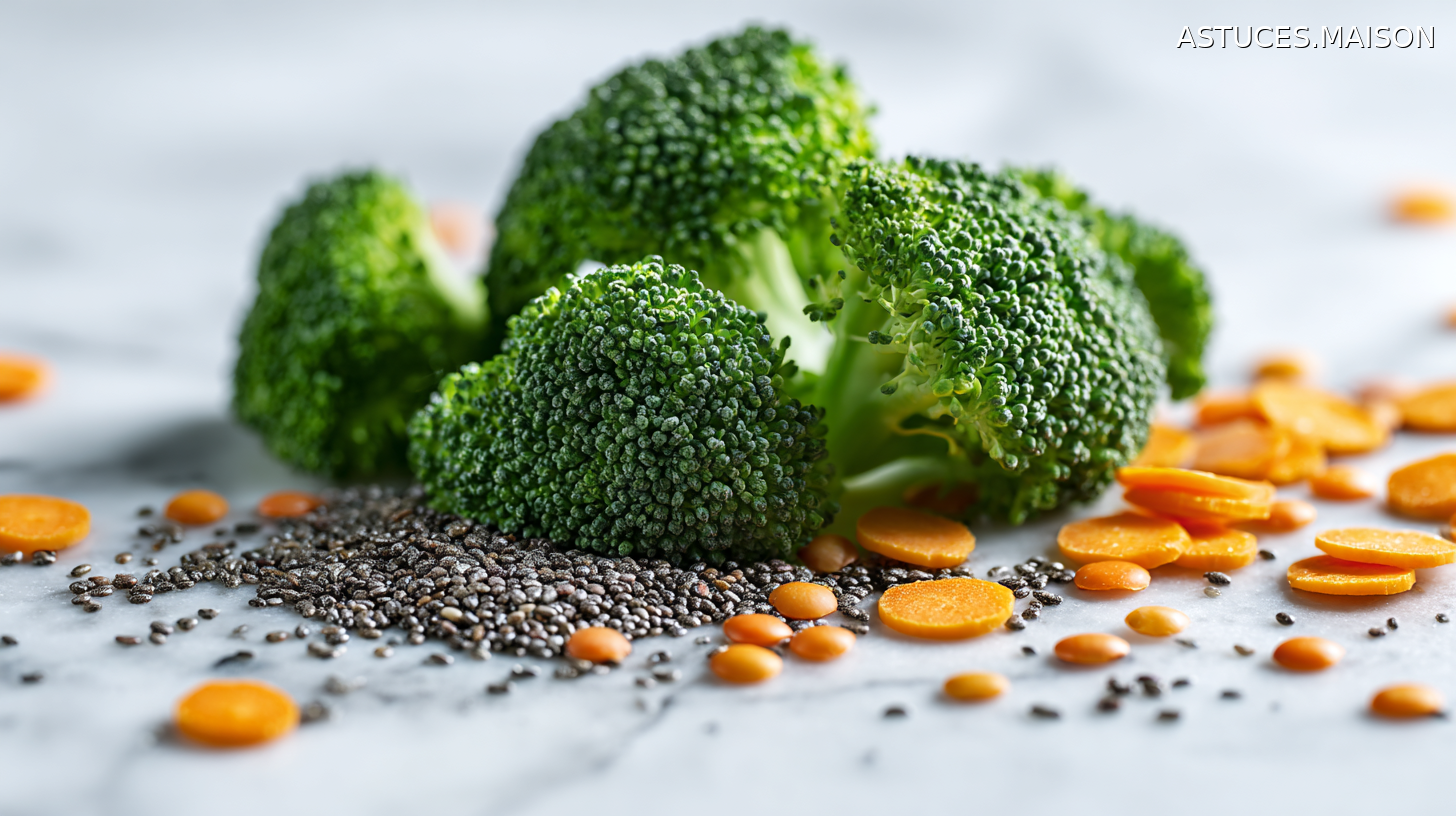
Broccoli delivers sulforaphane, a potent compound that enhances insulin sensitivity and reduces oxidative stress. Studies demonstrate that broccoli extract significantly lowers blood sugar levels in individuals with type 2 diabetes, with broccoli sprouts offering concentrated glucosinolates for optimal glucose metabolism support.
Legumes, particularly lentils and beans, provide resistant starch that slows digestion and glucose absorption. Clinical trials reveal that adding black beans or chickpeas to rice meals significantly reduces post-meal blood sugar spikes, while their high magnesium content supports healthy insulin function.
Chia seeds represent perhaps the most impressive glucose regulator, with research showing that consuming 25 grams with a sugar solution produces a remarkable 39% reduction in blood sugar levels. This superfood’s exceptional fiber content enhances insulin sensitivity while providing sustained energy release.
These fiber-rich powerhouses work through multiple mechanisms, creating a foundation for effective blood sugar management that extends beyond simple carbohydrate restriction.

Protein-Rich And Healthy Fat Options
While fiber creates the foundation for glucose management, protein and healthy fats provide complementary mechanisms for sustained blood sugar control. These nutrient-dense foods work by slowing digestion and enhancing insulin sensitivity through different pathways.
Fatty fish delivers exceptional benefits through omega-3 fatty acids that reduce inflammation and improve insulin function. Research demonstrates that consuming 750 grams of fatty fish weekly significantly improves post-meal blood sugar levels, with salmon, sardines, mackerel, and trout offering the highest concentrations of these beneficial fats.
Eggs provide remarkable glucose regulation, with studies showing that eating one egg daily reduces fasting blood sugar by 4.4% in individuals with type 2 diabetes. This protein powerhouse combines essential vitamins, healthy fats, and complete amino acids that enhance insulin sensitivity while reducing diabetes risk.
Avocados support metabolic health through their unique combination of fiber, monounsaturated fats, and essential minerals. Clinical research links regular avocado consumption to lower metabolic syndrome risk, while their nutrient profile helps stabilize blood sugar and reduce inflammation.
Fermented dairy products like yogurt and kefir contribute through probiotic bacteria that support glucose metabolism. Studies reveal that consuming 600 milliliters of kefir reduces both HbA1c and fasting blood sugar levels in diabetic patients, while daily yogurt intake correlates with 7% lower type 2 diabetes risk.
These protein and fat sources create lasting satiety while providing essential nutrients that complement fiber-rich foods for comprehensive blood sugar management.

Natural Blood Sugar Stabilizers And Implementation
Building upon this nutritional foundation, natural stabilizers provide additional glucose control mechanisms while offering practical solutions for everyday meal planning. These foods combine unique plant compounds with actionable dietary strategies for sustainable blood sugar management.
Oats exemplify soluble fiber’s power through their beta-glucan content, which slows glucose absorption and prevents sugar spikes. A comprehensive review of 16 studies confirms that regular oat consumption significantly reduces fasting blood sugar levels, with steel-cut and rolled varieties offering superior benefits compared to instant options.
Berries deliver exceptional antioxidant protection while maintaining low natural sugar content. Research demonstrates that consuming 250 grams of red raspberries reduces both blood sugar and insulin spikes after meals, with blueberries, strawberries, and blackberries providing similar polyphenol benefits that enhance insulin function.
Okra contributes through distinctive polysaccharides and flavonoids that support glucose control. Studies on okra seeds reveal significant blood sugar reduction capabilities, while its high fiber content further slows sugar absorption when incorporated into soups, stews, or stir-fries.
Successful implementation requires focusing on whole, fiber-rich foods while prioritizing lean proteins and healthy fats. Limiting processed sugars and refined carbohydrates, combined with adequate hydration and active lifestyle choices, creates sustainable glucose management.
These evidence-based dietary modifications transform blood sugar control from reactive treatment to proactive wellness strategy, establishing the foundation for long-term metabolic health through consistent, manageable food choices.
Continue Reading →