

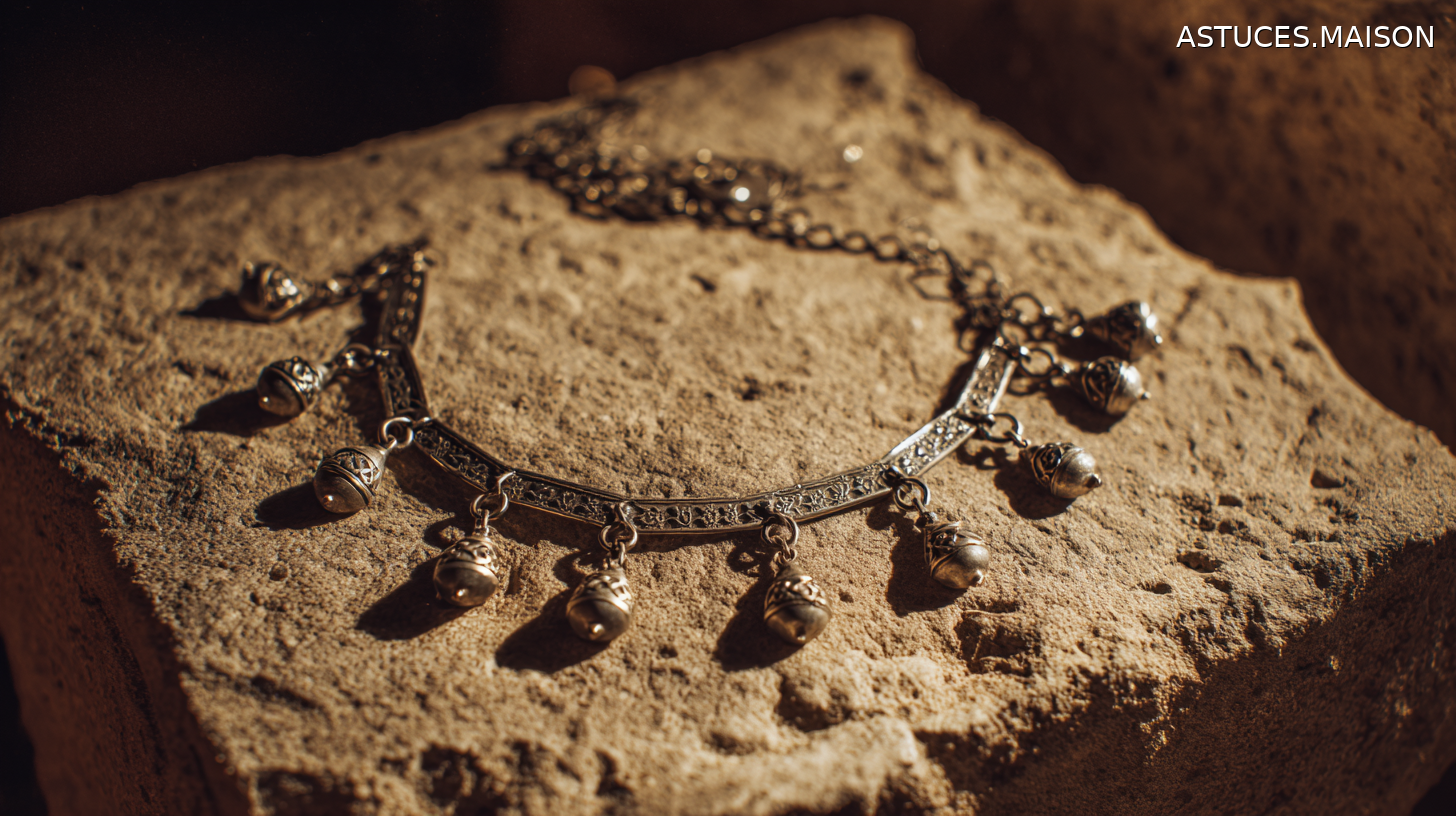
Ancient Origins: The Millennia-Old History Of Ankle Bracelets
The delicate shimmer of an ankle bracelet carries whispers from civilizations lost to time. This seemingly simple accessory has adorned human ankles for millennia, weaving through cultures with meanings far deeper than modern fashion suggests.
In ancient Egypt, the anklet transcended mere ornamentation. Considered a powerful talisman, it was believed to bestow wealth and good fortune upon its wearer. Field laborers discovered practical magic in their ankle jewelry, crafting pieces studded with pendants that created chiming sounds to deter insects and reduce bites during long hours under the scorching sun.
Across the ancient world, the Sumerians and later the Romans elevated the anklet to a symbol of wealth and social standing. These civilizations understood that jewelry spoke a language of status, with ankle bracelets serving as visible evidence of the wearer’s prosperity and position within society’s hierarchy.
The anklet’s journey through Arabian cultures revealed more complex associations. Within the tales of Arabian Nights, these accessories carried questionable connotations, supposedly connected to specific social groups in several Arab countries, adding layers of meaning that varied dramatically across different communities.
Meanwhile, in India, silver anklets became deeply embedded in cultural tradition, worn by married women as unmistakable signs of their marital status and unity with their spouses.
These ancient roots reveal how a simple band around the ankle has carried profound cultural weight across continents and centuries.
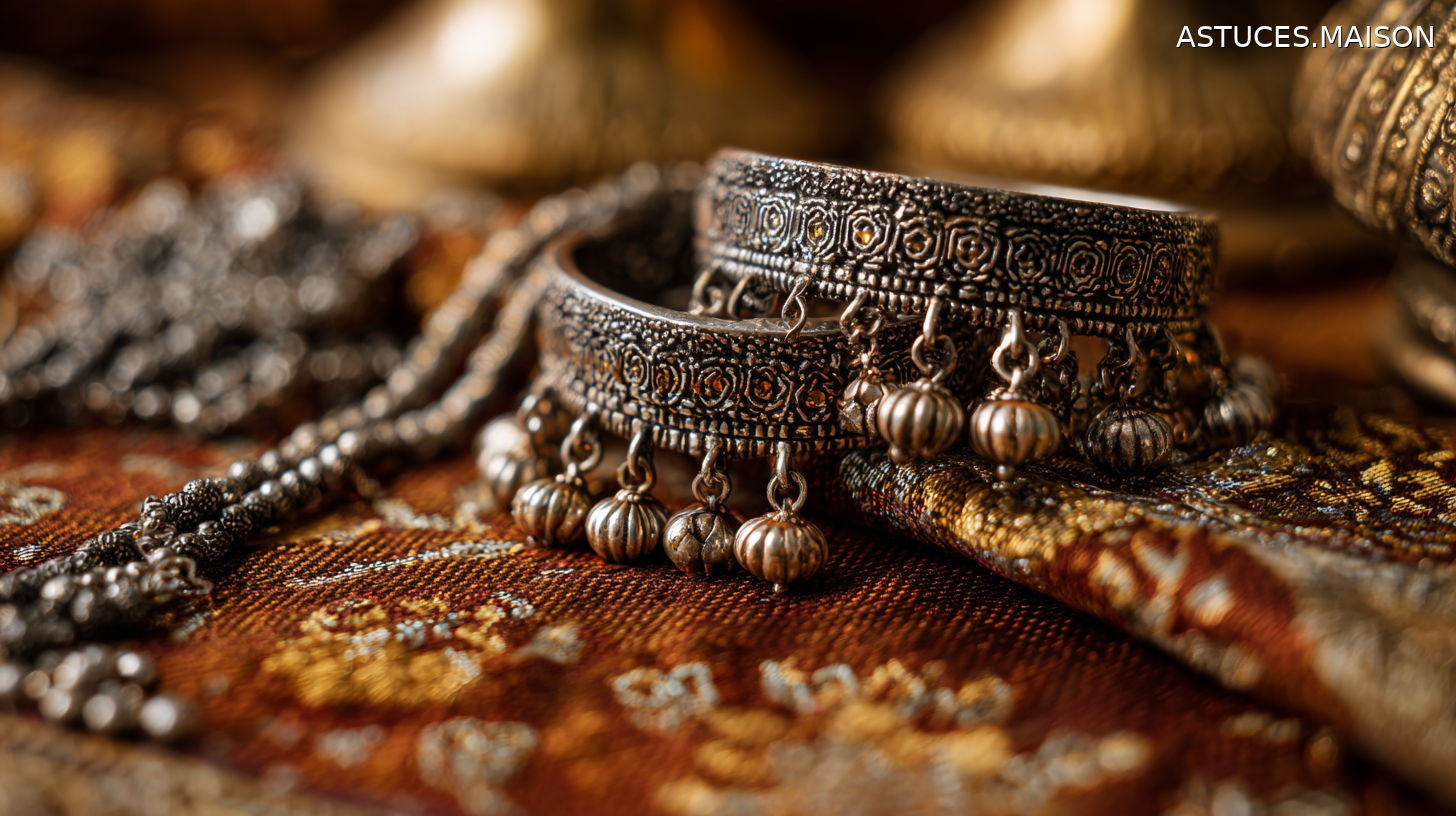
Cultural Symbolism Across Civilizations: From Marriage To Status
This ancient tradition of meaningful adornment found its most profound expression in the intricate social codes that different civilizations developed around ankle jewelry. Each culture transformed the humble anklet into a sophisticated communication system, speaking volumes about the wearer’s place in society.
In India’s rich tradition, silver anklets became sacred markers of matrimony. These delicate bands, crafted specifically from silver, announced a woman’s married status to her entire community. Far from simple decoration, they represented the deep cultural significance of unity between spouses, creating an unspoken language that transcended words and connected generations of women through shared symbolism.
The social stratification evident in Sumerian and Roman societies elevated anklets to powerful status symbols. These ancient peoples understood that jewelry functioned as a visual currency, with ankle bracelets serving as unmistakable evidence of wealth and social position. The more elaborate the piece, the higher the wearer’s standing within their community’s complex hierarchy.
Yet not all cultural associations carried positive connotations. Within certain Arabian societies, ankle bracelets acquired more complex meanings, sometimes connected to specific social groups in ways that reflected the intricate moral codes and social structures of those times.
These varied interpretations across civilizations demonstrate how a single accessory could simultaneously represent devotion, prosperity, and social identity, adapting its meaning to serve the unique cultural needs of each society.

Modern Transformation: From Ancient Ritual To Contemporary Fashion
While these historical meanings shaped centuries of tradition, today’s ankle bracelet has undergone a remarkable metamorphosis, shedding its complex cultural baggage to emerge as a purely aesthetic choice. This transformation represents one of fashion’s most successful reinventions, where ancient symbolism gives way to personal expression.
The contemporary anklet has become a celebrated symbol of elegance, sensuality, and femininity, freed from the weight of social expectations that once defined its purpose. Modern wearers embrace these delicate accessories without concern for the intricate cultural codes that their predecessors navigated, choosing instead to focus on the simple pleasure of beautiful adornment.
Summer styling has particularly embraced the ankle bracelet’s charm. The accessory pairs effortlessly with breezy attire and sandals, creating an understated elegance that delicately accentuates the ankle’s natural grace. This seasonal popularity has elevated the anklet from occasional accent piece to essential warm-weather accessory, appearing in countless beach photographs and festival outfits.
The shift from ritual to fashion reflects broader cultural changes in how we approach personal decoration. Today’s ankle bracelets serve neither as marriage announcements nor wealth displays, but as expressions of individual style and aesthetic preference. This democratization has made the accessory accessible to anyone drawn to its subtle allure.
This evolution toward purely decorative purpose has opened unprecedented possibilities for creative expression through diverse materials and design approaches.
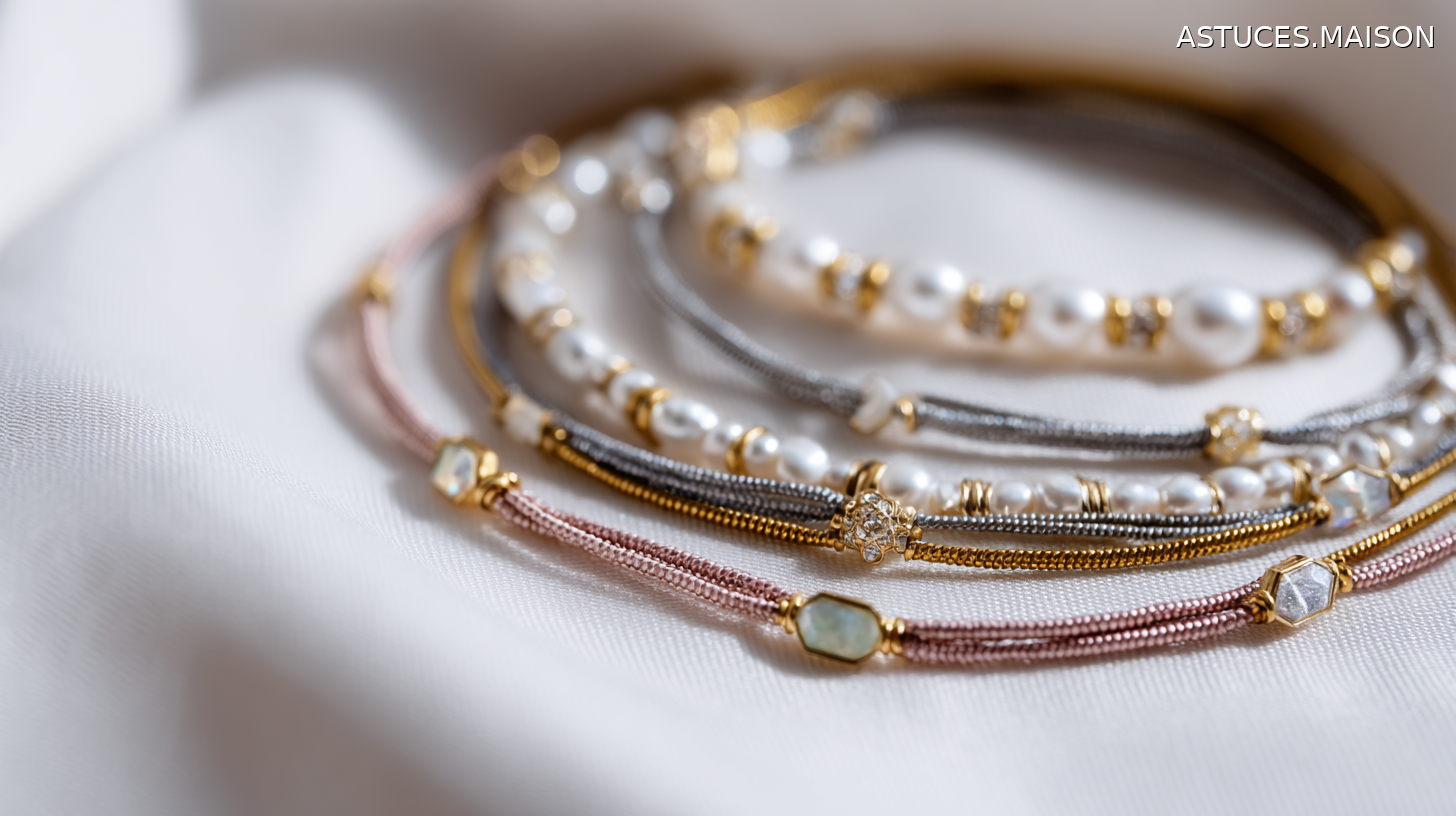
Today’s Ankle Bracelet Choices: Materials, Styles, And Personal Expression
These creative possibilities have manifested in an impressive array of materials and designs that cater to every aesthetic preference. Modern ankle bracelets embrace diversity, offering wearers unlimited options to express their individual style through carefully chosen elements.
Silver and gold remain the cornerstone choices for those seeking a refined and timeless effect. These precious metals provide versatility that transitions seamlessly from casual daywear to elegant evening occasions, ensuring the anklet complements rather than competes with other jewelry pieces.
For those drawn to bohemian aesthetics, pearls and shells deliver a summery touch that captures the free-spirited essence of coastal living. These natural materials embody relaxed sophistication, perfect for vacation wardrobes and festival styling.
Meanwhile, colorful cords paired with decorative charms create casual and trendy styles that appeal to younger demographics. These playful options allow for mixing, matching, and layering, encouraging experimental approaches to ankle adornment.
One question frequently arises among new anklet wearers: does the chosen ankle carry special significance? The answer liberates rather than restricts. Personal comfort and aesthetic preference should guide this decision entirely. Whether worn on the left or right ankle, the choice reflects individual style rather than hidden meaning.
This freedom to choose based purely on personal desire represents the ultimate democratization of ankle jewelry, where individual expression trumps traditional conventions and personal comfort guides every styling decision.
Continue Reading →