
THE MYSTERIOUS FABRIC STRIP: UNDERSTANDING THE BED RUNNER
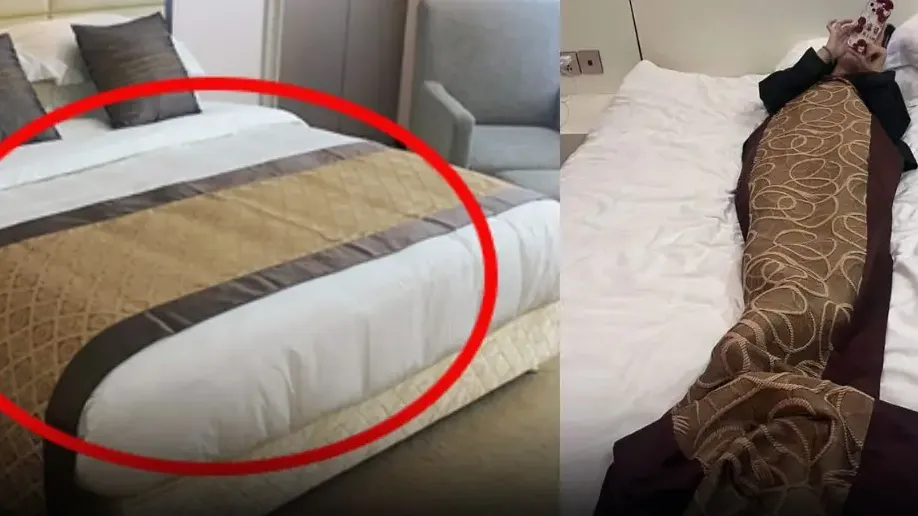
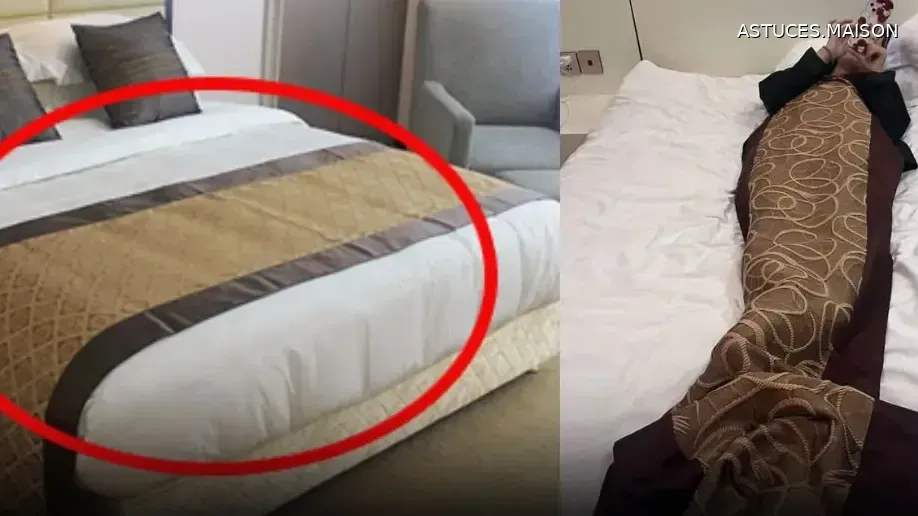
Every seasoned traveler has encountered it: that puzzling strip of dark fabric draped across hotel beds worldwide. This half-meter wide textile, commonly known as a bed runner, often becomes the first casualty of guest comfort, hastily removed and tossed aside upon arrival.
« The brightly colored fabric strip may appear pointless at first, and visitors frequently take it off for comfort, » yet this seemingly decorative element serves far more purpose than meets the eye. Found across the majority of hotel beds globally, the bed runner represents a carefully calculated addition to the standard ensemble of pillows, blankets, and crisp white sheets.
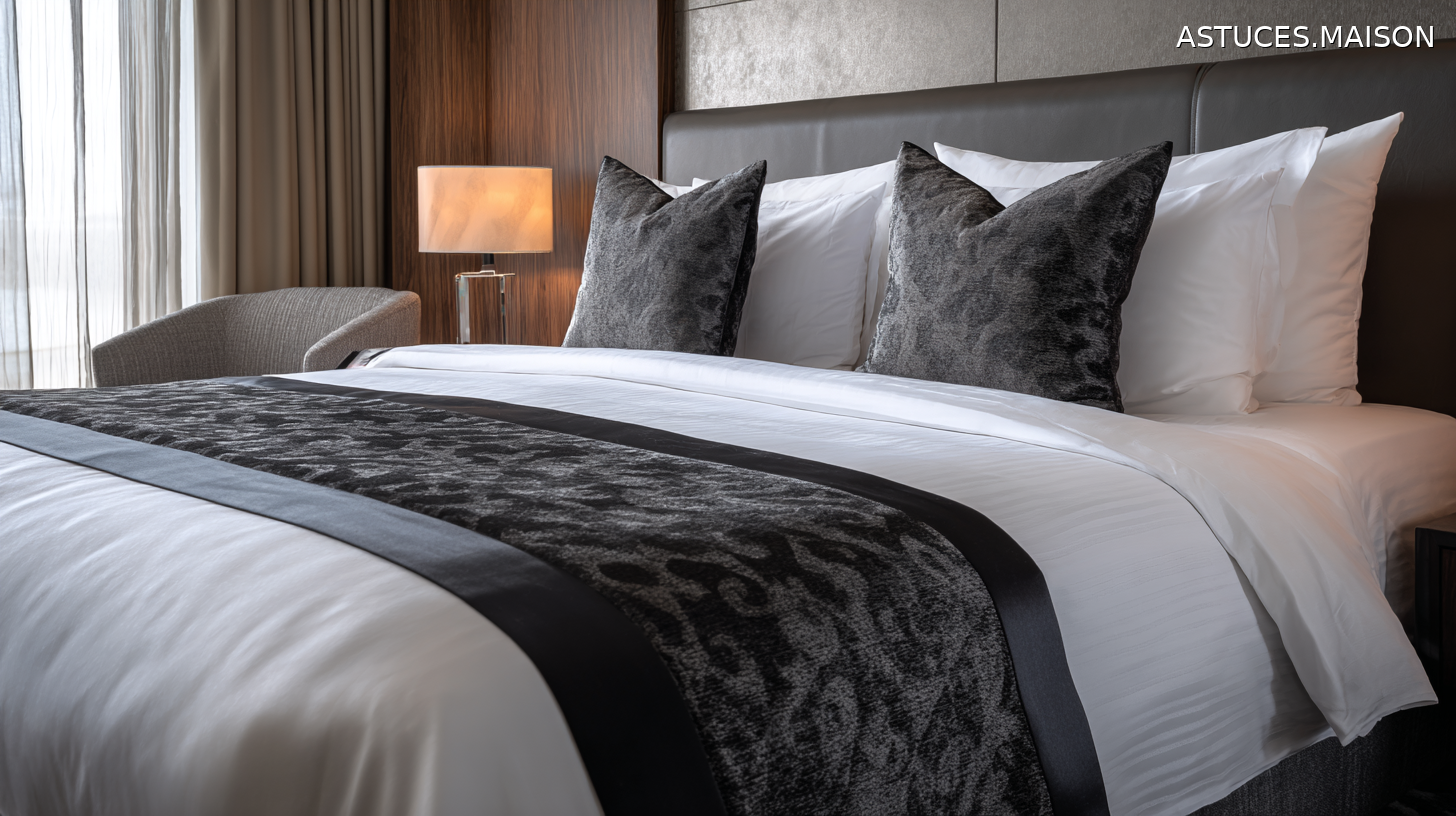
Unlike the pristine linens that dominate the bed’s aesthetic, this strategic fabric placement typically features darker colors—most commonly black—positioned deliberately across the foot of the bed. What appears to be mere decorative flair actually functions as a sophisticated hotel industry solution to multiple guest-related challenges.
The dismissive attitude toward this textile reveals a common misunderstanding of hotel design philosophy. Every element in a professionally managed hotel room serves a specific function, and the bed runner exemplifies this principle perfectly. Its strategic positioning and distinctive coloring aren’t arbitrary design choices but calculated responses to predictable guest behaviors.
This unassuming piece of fabric addresses practical concerns that hotel housekeeping teams encounter daily, transforming potential maintenance headaches into manageable solutions through simple yet effective design.

PRACTICAL HYGIENE SOLUTIONS: FOOD AND PERSONAL BELONGINGS
Those predictable guest behaviors that hotels anticipate extend far beyond simple comfort preferences. The bed runner’s primary function emerges most clearly when guests settle in for relaxation, often accompanied by their favorite snacks and personal belongings.
Vacation dining habits reveal why this fabric strip proves invaluable. Many travelers choose to unwind by lying in bed with food, creating potential disaster scenarios for pristine white linens. Rather than risk direct contact with expensive bedding, guests instinctively place their snacks on the bed runner, which serves as a designated safe zone.
The strategic color choice becomes apparent here: unlike bed linens and blankets, this fabric strip features darker tones—typically black—making it significantly easier to clean when accidents occur. Spills, crumbs, and stains that would create costly laundry challenges on white sheets become manageable maintenance issues on the darker surface.
Beyond food protection, the bed runner addresses another common hotel scenario. Personal items like jackets, purses, and backpacks inevitably find their way onto beds, bringing with them accumulated dirt and bacteria from various surfaces. The fabric strip intercepts this contamination, preventing direct contact between potentially dirty belongings and sanitized bed linens.
This placement strategy maintains guest health standards while accommodating natural behaviors. Located conveniently near the foot of the bed, the runner provides an accessible surface that guests utilize automatically, even without conscious consideration of its protective function.
Footrest Functionality: Protecting Bed Linens From Dirty Feet
The contamination concerns extend beyond personal belongings to address perhaps the most common guest behavior hotels encounter daily. After long hours of walking, sightseeing, or business meetings, tired travelers instinctively gravitate toward their beds seeking immediate comfort.
Guest behavior patterns reveal a universal tendency: many people want to jump right onto the bed upon returning to their room, sometimes without taking off their shoes, socks, or washing their feet. This natural impulse creates a direct conflict between guest comfort and hotel cleanliness standards.
The bed runner’s strategic positioning at the foot of the bed transforms this potential problem into a manageable solution. Rather than allowing dirty footwear or unwashed feet to contact pristine white linens directly, the fabric strip functions as a makeshift footrest that intercepts contamination at its source.
This placement demonstrates sophisticated understanding of human behavior. Hotels recognize that exhausted guests won’t always follow ideal hygiene protocols, so the runner accommodates these realistic scenarios while protecting their investment in quality bedding.
The dark-colored fabric again proves its worth here, camouflaging dirt and stains that would be glaringly obvious on white sheets. What might require complete linen replacement becomes a simple spot-cleaning task, maintaining both operational efficiency and guest satisfaction.
This protective barrier allows hotels to balance hospitality with hygiene, ensuring guests feel welcomed while preserving the cleanliness standards that define quality accommodation experiences.

Intimate Considerations: The Discreet Protective Barrier
Beyond practical contamination control, the bed runner addresses another delicate aspect of hotel hospitality that management rarely discusses openly. This protective barrier serves a more private purpose, one that speaks to the comprehensive thinking behind hotel room design.
The fabric strip can be a lifesaver when used as a mat for couples during intimate activities to prevent any unpleasant stains on the blankets and bed linens. This discreet functionality acknowledges the reality of guest behavior while protecting the hotel’s textile investments from damage that would otherwise require costly replacement.
Hotel housekeeping protocols recognize that intimate moments are part of the travel experience, whether for couples on romantic getaways or business travelers seeking personal connection. Rather than ignoring this reality, the bed runner provides a practical solution that maintains dignity for all parties involved.
The strategic placement and washable nature of the fabric strip allows for easy maintenance without requiring full linen changes. What could become an embarrassing situation for guests or an expensive problem for hotels transforms into a manageable housekeeping task.
This thoughtful accommodation demonstrates how seemingly simple hotel amenities often serve multiple, carefully considered purposes. The bed runner’s unassuming presence masks its sophisticated role in maintaining both guest privacy and operational efficiency.
Through addressing everything from dirty shoes to intimate moments, this modest fabric strip reveals itself as a masterpiece of hospitality engineering, quietly solving problems guests never realized existed while preserving the pristine environment they expect.
Continue Reading →