

Understanding The Kamitetep: Identification And Taxonomy
The scientific world of moth classification rarely generates confusion, but Phereoeca uterella stands as a notable exception. This species belongs to the family Tineidae and carries the official designation of Phereoeca uterella, yet it’s commonly known by two distinctly different names: plaster bagworms and household casebearers.
This taxonomic confusion runs deeper than simple vernacular variations. Some experts argue that household casebearers actually refer to Phereoeca allutella, a completely different moth species from the plaster bagworms. This scientific debate highlights the importance of proper identification when dealing with these household invaders.
Adult kamitetep moths present distinctive physical characteristics that aid in proper identification. They reach approximately half an inch in length and display tiny grayish-brown scales covering their entire body. These small, winged insects represent the final stage of a complex lifecycle that most homeowners never witness firsthand.
The identification challenge becomes more complex when considering that kamitetep moths are rarely seen in their adult form during household encounters. Instead, residents typically discover evidence of their presence through other telltale signs, making proper species identification crucial for effective management strategies.
Understanding this taxonomic framework provides the foundation for recognizing these moths’ behavior patterns and developing appropriate response measures when they establish residence in human living spaces.
Life Cycle And Behavior: From Larva To Adult
These behavior patterns become clearer when examining the kamitetep’s complete development cycle. Like most moths, Phereoeca uterella progresses through four distinct life stages: egg, larva, pupa, and adult, according to Native Pest Management.
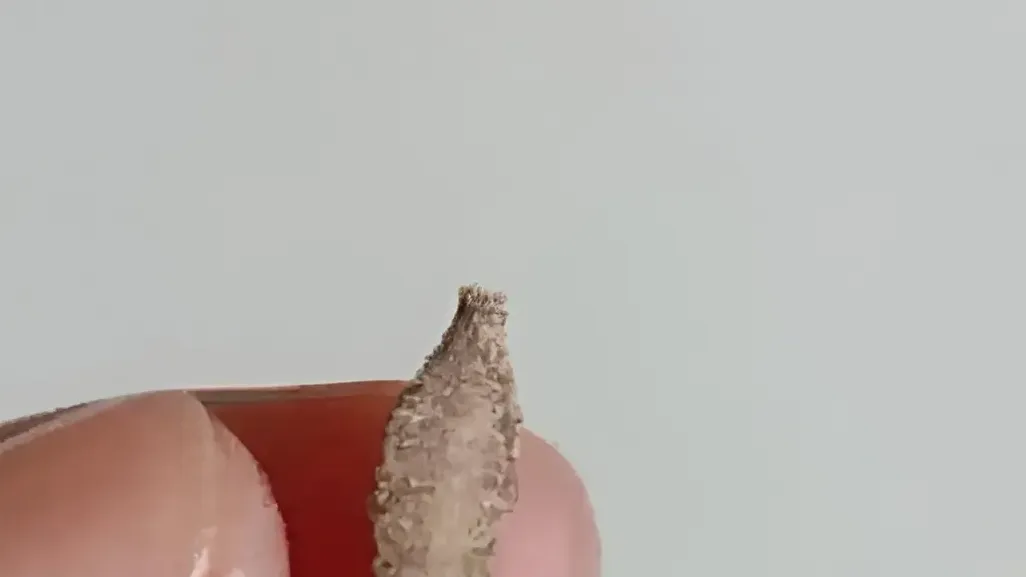
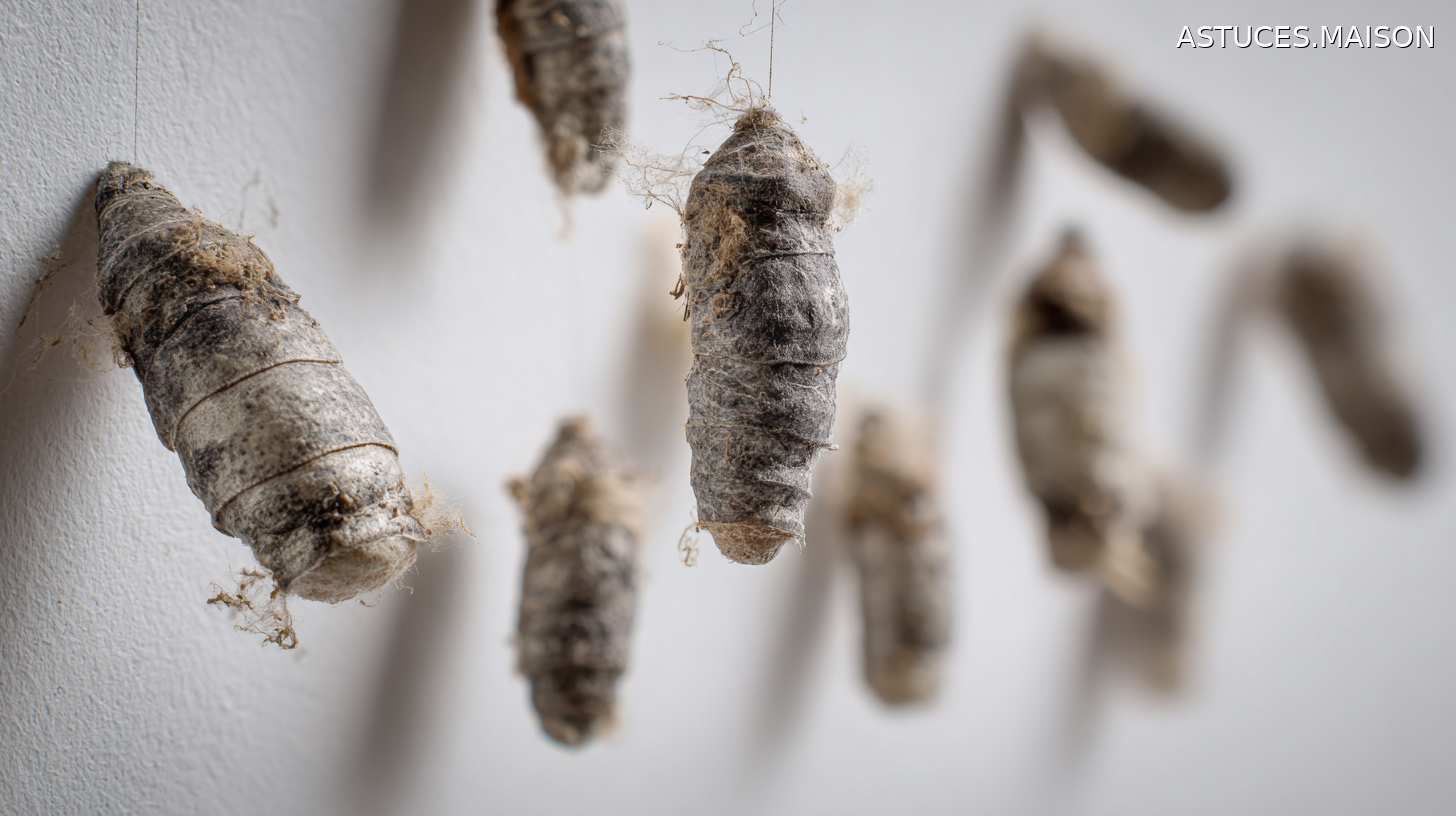
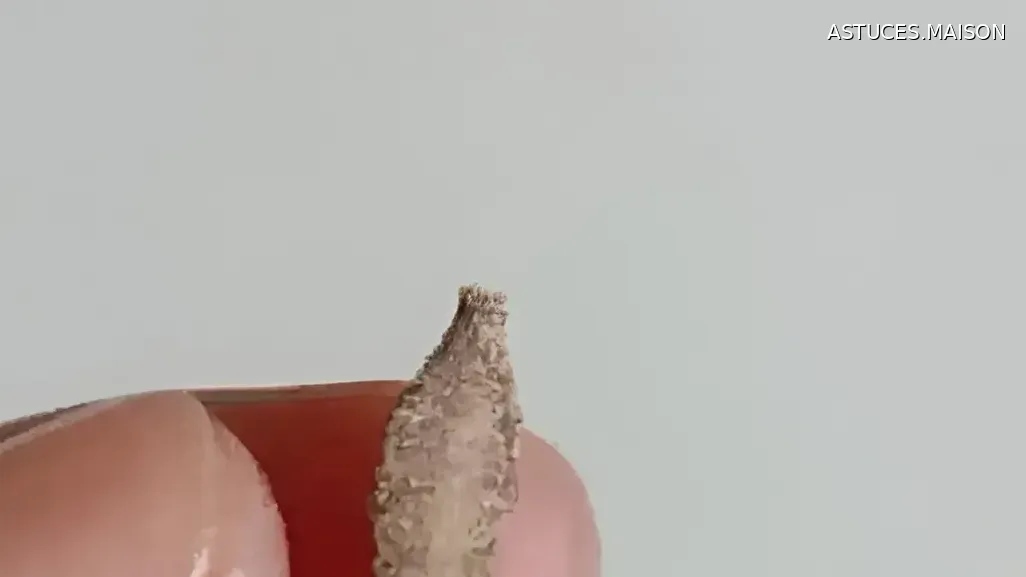
The cycle begins when females lay tiny eggs in clusters within hidden locations, ensuring optimal survival conditions. Once hatched, larvae immediately begin their most distinctive behavior—constructing and carrying gray, flat cocoon-like cases that serve as both protective shields and mobile homes while they search for food.
This larval stage represents the most recognizable phase for homeowners. The caterpillars gather various materials to build their portable shelters, creating structures that camouflage effectively against household surfaces. These cases prove remarkably versatile, doubling as pupal chambers when transformation time arrives.
The pupal stage occurs entirely within these protective casings, making detection particularly challenging. Residents may discover empty cases after adult moths have emerged, or find occupied ones containing developing insects. This hidden development explains why kamitetep infestations often go unnoticed until populations establish themselves.
Adult emergence marks the cycle’s completion, though ironically, most people never encounter the fully-developed moths. The adults focus primarily on reproduction, seeking suitable locations for the next generation’s egg clusters. This reproductive behavior drives their movement through homes, as they search for optimal conditions that combine warmth, humidity, and abundant organic materials for their offspring’s survival.
Dietary Habits And Home Invasion Patterns
Understanding what drives these reproductive behaviors reveals why kamitetep choose specific locations within homes. Since this species gravitates toward heat and humidity, they typically establish themselves in closets, basements, gardens, garages, and attics—environments that provide both favorable conditions and abundant food sources.
Their dietary preferences explain their persistence in household settings. Kamitetep larvae consume an impressively diverse range of organic materials: dust, feathers, wool, spiderwebs, hair, dead insects, lint, silk, paper, and plant debris. According to Free Malaysia Today, they demonstrate a curious selectivity by avoiding cotton materials, though they readily attack wool, silk, and other natural fibers.
This feeding behavior translates into real property damage for homeowners. The larvae systematically chew through personal belongings including clothes, rugs, linen, and important documents. Their attraction to stored items makes cardboard boxes particularly vulnerable, as these containers often house exactly the materials kamitetep seek.
Detection requires strategic thinking about their preferences. Look for signs around fabric storage areas, linen closets, and carpet edges. Their small tubular cases may hang on walls or ceilings, while active larvae appear near these structures during feeding periods. Adult moths, though less commonly spotted, congregate around light fixtures due to their natural phototactic behavior.
The combination of hidden development, diverse diet, and preference for common household materials makes kamitetep particularly challenging adversaries. Their ability to thrive on everyday items like dust and hair ensures consistent food availability, supporting sustained populations that can quickly establish permanent residence.

Prevention And Elimination Strategies
Once established populations take hold, immediate action becomes essential to prevent extensive property damage. Since these bugs are attracted to natural materials for food, the first step involves comprehensive spring cleaning with particular attention to areas where kamitetep typically congregate.
Focus intensive vacuuming efforts on rugs, furniture, and storage spaces including closets, attics, and basements. Pay special attention to corners and potential hiding places where cases might accumulate unnoticed. This removal of organic debris eliminates their primary food sources and disrupts established feeding patterns.
Structural modifications provide long-term protection against reinfestation. Seal cracks that allow entry or provide egg-laying sites using caulk or weather stripping around windows and doors. Deploy dehumidifiers to create unfavorable environmental conditions, as kamitetep thrive specifically in moist environments.
When visible cases appear, immediate removal is crucial to prevent population expansion. These tubular structures contain developing larvae that will emerge as reproductive adults if left undisturbed.
For persistent infestations that resist cleaning and environmental controls, professional intervention may become necessary. Nature Pest, a Florida-based pest control company, emphasizes that routine maintenance prevents most problems since bugs won’t establish residence without adequate food sources and favorable humidity levels.
Fortunately, kamitetep pose no direct threat to humans or pets, but their rapid reproduction and destructive feeding habits justify prompt action. Professional exterminators can address both kamitetep and secondary pest problems, as these moths often feed on spiderwebs, potentially indicating broader household pest management needs.
Continue Reading →