
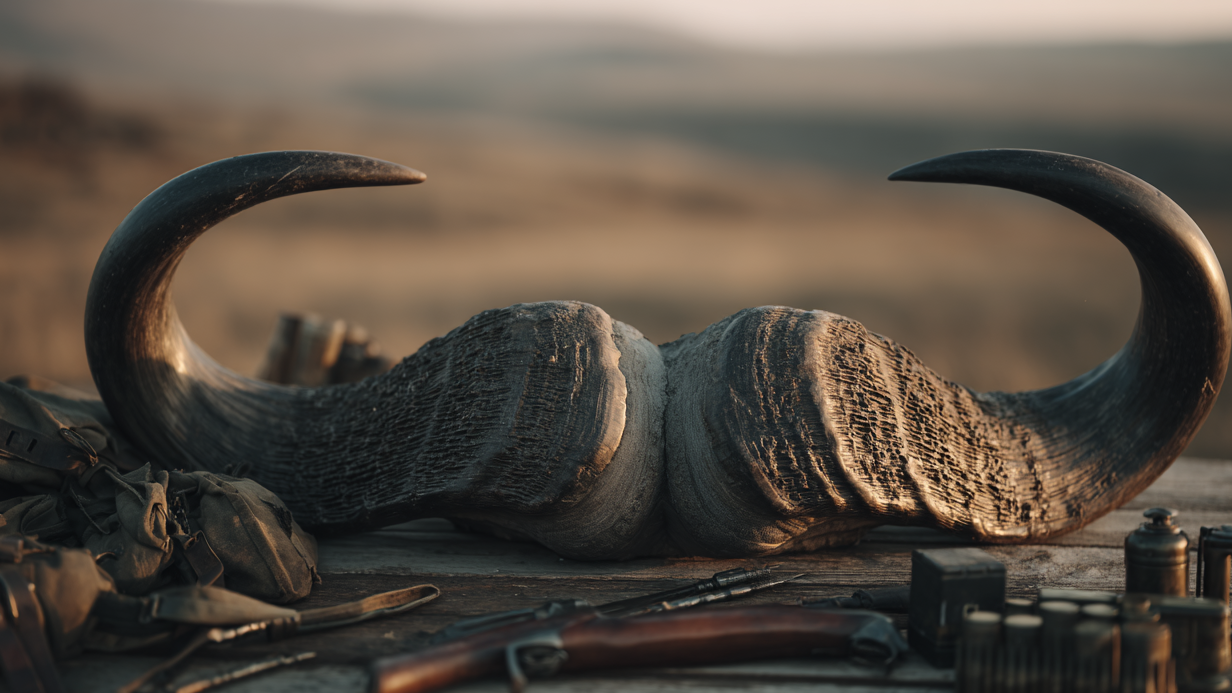

The Fatal Encounter: When The Hunter Became The Hunted
August 3rd, 2024. The sun burned overhead in South Africa’s Limpopo Province as Asher Watkins tracked his quarry through the acacia scrubland. The 52-year-old Texas millionaire had paid £7,500 for this hunting expedition, pursuing one of Africa’s most feared predators: the Cape buffalo.
What happened next transformed hunter into prey in mere seconds.
The 1,300-kilogram bull, its massive frame carrying 200 stone of pure muscle and rage, had remained unwounded despite the morning’s stalking. Safari guide and tracker flanked Watkins as they closed distance on their target, unaware that the buffalo’s temperament had shifted from wary to lethal.
Without warning, the beast exploded into motion. Charging at 35 mph, the buffalo covered ground with terrifying speed, its curved horns aimed directly at Watkins. The experienced hunter had no time to react, no chance to raise his rifle or dive for cover.
The impact was devastating. The buffalo’s horns penetrated Watkins’ stomach and side, inflicting injuries that killed him almost instantly. The man who had come to Africa seeking the ultimate trophy became one himself in the space of a heartbeat.
The safari guide immediately responded, bringing down the buffalo with precise shots. But for Asher Watkins, the damage was irreversible. The hunt was over before it had truly begun, leaving questions about what drove such a successful businessman into Africa’s deadliest game.

Profile Of A Millionaire Hunter: The Man Behind The Tragedy
The successful businessman who met his end in Africa’s wilderness was Asher Watkins, a 52-year-old Dallas tycoon whose fortune stretched far beyond the acacia scrubland where he drew his final breath.
Through his company Watkins Ranch Group, this Texas entrepreneur had built an empire selling luxury ranches worth up to £24 million each. His wealth placed him among Dallas’s elite, yet he chose to spend his fortune pursuing dangerous game across the globe rather than resting on corporate laurels.
Watkins was no casual weekend hunter. As a life member of the prestigious Dallas Safari Club and active participant in Ducks Unlimited, he represented the upper echelon of American hunting culture. These organizations attracted wealthy conservationists who argued that regulated hunting funded wildlife preservation across Africa and beyond.
His passion for hunting drew him repeatedly to the world’s most dangerous destinations, seeking encounters with creatures that could kill him as easily as he could kill them. Family and friends knew his appetite for risk – his brother, mother, and stepfather had traveled to South Africa’s Limpopo Province to await his return from the fatal hunt.
Behind the millionaire hunter lay a divorced father to a teenage daughter back in Texas. Watkins embodied a peculiar contradiction of modern wealth: a man who could afford any luxury, yet chose to risk everything stalking Africa’s deadliest predators in pursuit of the ultimate trophy.
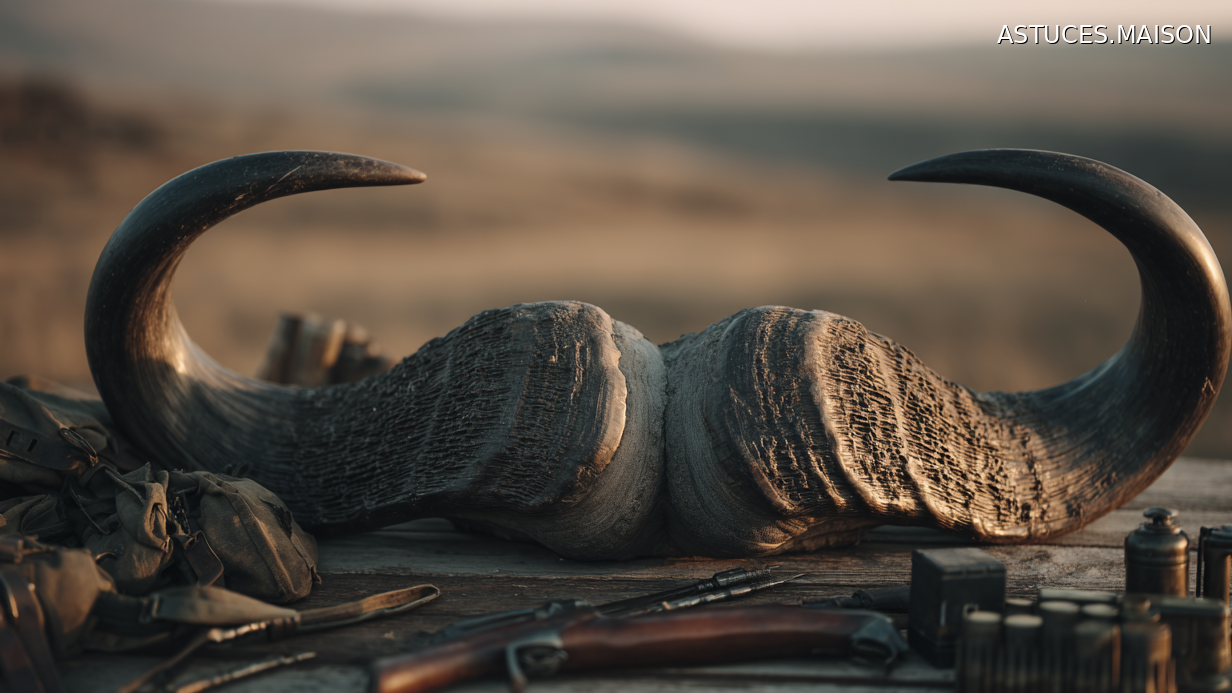
Africa’s Deadliest Game: The 200-Stone Killer
The predator that claimed Watkins’ life was no ordinary beast. The Cape buffalo stands as Africa’s most lethal quarry, earning its grim reputation through decades of hunter fatalities across the continent’s savannahs.
Weighing up to 1,300 kilograms, these massive bovines kill approximately 200 people annually in southern Africa alone. Local communities call them « Black Death » – a testament to their unmatched lethality among Africa’s Big Five. Unlike lions or elephants, Cape buffalo kill more hunters than any other species, making them the continent’s ultimate apex predator.
Coenraad Vermaak Safaris, the company organizing Watkins’ fatal expedition, warns clients that Cape buffalo represent « the most dangerous animal to pursue in Africa, let alone the world ». Their unpredictable nature transforms any encounter into potential catastrophe – an unwounded bull can charge at 35 miles per hour with lethal intent.
The species’ fearsome reputation stems from their intelligence and vindictive nature. Unlike other dangerous game that typically flee when wounded, Cape buffalo circle back to ambush their pursuers. They remember threats, hold grudges, and attack with calculated precision rather than blind rage.
Professional hunters across Africa share countless stories of buffalo attacks that turned successful safaris into tragedy. The animal’s massive horns, combined with crushing weight and surprising agility, create a killing machine that claims more lives than lions, rhinos, and crocodiles combined.
For wealthy hunters seeking ultimate trophies, Cape buffalo represented the pinnacle of dangerous game – a challenge that separated amateur sportsmen from true professionals.
Aftermath And Controversy: The Debate Sparked By Death
The ultimate trophy hunt that claimed Watkins became a lightning rod for fierce debate across social media platforms and conservation circles worldwide. Within hours of news breaking, animal rights activists flooded forums with commentary about the « cruel irony » of a hunter meeting his end at the hands of his intended quarry.
The incident unfolded on the sprawling 50,000-acre Bambisana concession in South Africa’s Limpopo Province, where Coenraad Vermaak Safaris had organized what should have been another routine expedition. Instead, the tragedy ignited passionate discussions about trophy hunting ethics that divided conservation communities and the general public.
Online reactions ranged from expressions of sympathy for Watkins’ family to harsh condemnations of trophy hunting practices. Critics argued that wealthy hunters like Watkins represented colonial exploitation of African wildlife, while supporters maintained that regulated hunting provided crucial funding for conservation efforts across the continent.
The South African Police Service launched an immediate investigation into the circumstances surrounding the fatal encounter. Preliminary reports confirmed that all proper permits and safety protocols were followed during the hunt, though investigators continue examining witness statements from safari guides present during the incident.
Conservation organizations found themselves caught between defending ethical hunting practices and addressing growing public opposition to trophy hunting. The tragedy highlighted the complex relationship between wildlife preservation and hunting tourism – a debate that extends far beyond one millionaire’s fatal encounter with Africa’s most dangerous game.
Continue Reading →