
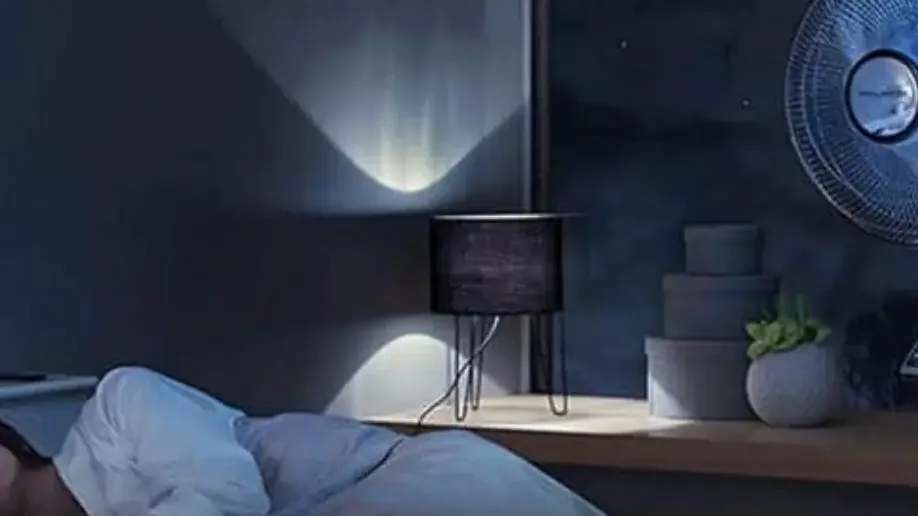
Health Risks: How Fans Aggravate Allergies And Respiratory Issues
While fans appear to offer simple relief from nighttime heat, they create unexpected health complications that many sleepers overlook. The constant air circulation that feels refreshing actually transforms your bedroom into an allergen distribution system.
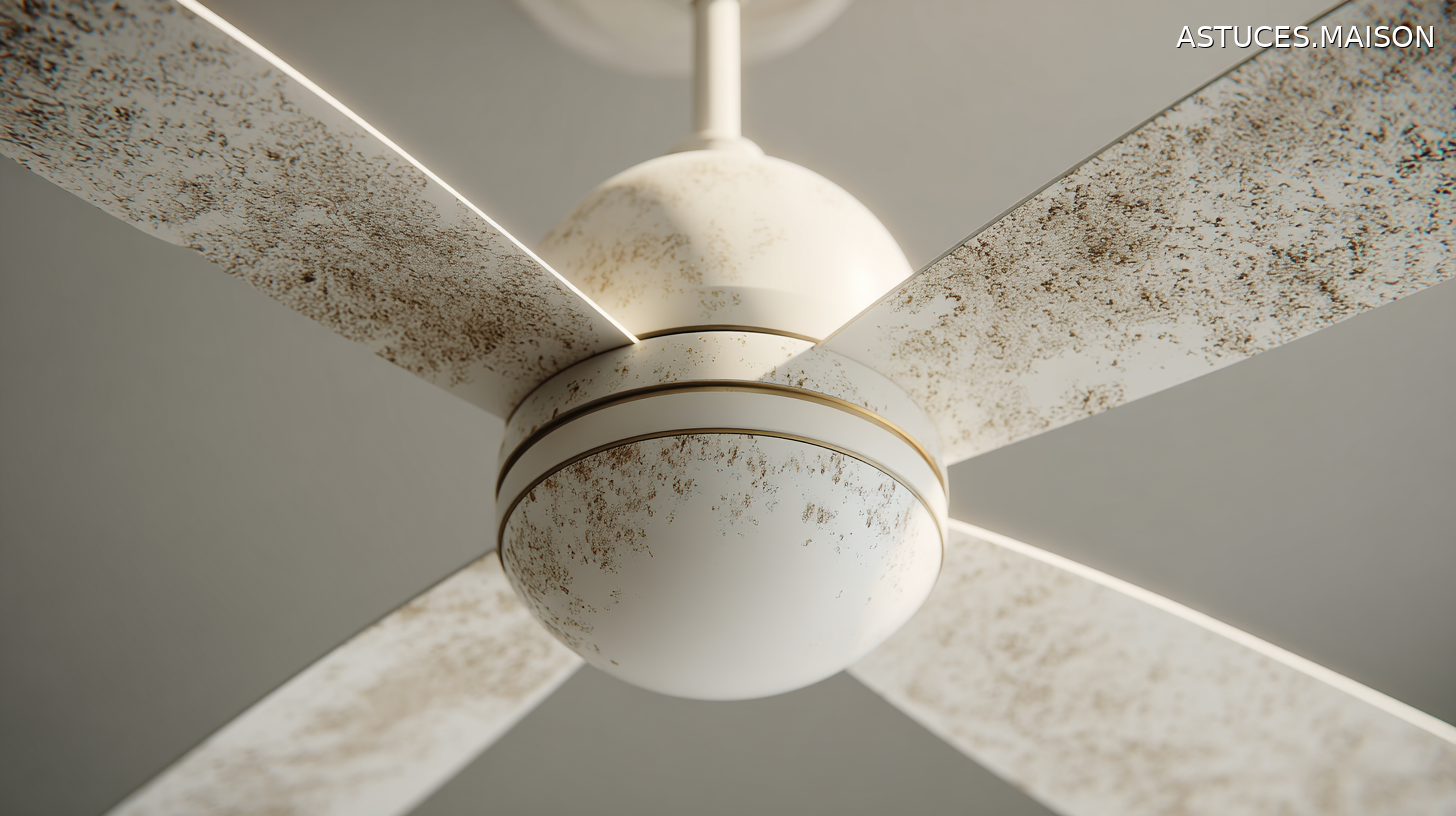
Fans actively circulate dust, pollen, pet dander, and other airborne particles throughout your sleeping space. Rather than filtering these irritants, the spinning blades collect and redistribute them with each rotation. Dust mites and household allergens accumulate on ceiling fan blades over time, creating a hidden reservoir of respiratory triggers that releases into your breathing space whenever the fan operates.
This continuous allergen exposure produces immediate symptoms including congestion, itchy eyes, persistent coughing, and frequent sneezing. For individuals with existing respiratory sensitivities, these effects intensify significantly during sleep hours when the immune system naturally decreases its defenses.
The health implications extend beyond immediate discomfort. Studies have established clear connections between seasonal allergies and sleep disorders, linking allergen exposure to increased snoring frequency and diminished sleep quality. When your respiratory system fights allergens throughout the night, it disrupts the natural sleep cycles essential for physical recovery.
Regular cleaning of fan blades and air filters can reduce allergen accumulation, but it cannot eliminate the fundamental problem of air circulation in enclosed spaces. The very mechanism that provides cooling comfort simultaneously compromises respiratory health, creating a cycle where the solution becomes part of the problem affecting your nightly rest.

Physical Discomfort: From Dry Skin To Muscle Stiffness
Beyond respiratory complications, fans create direct physical discomfort that affects your body throughout the night. The constant airflow that initially feels cooling gradually transforms into a source of multiple bodily irritations that accumulate during sleep hours.
Continuous air circulation systematically dries out your mouth, throat, nose, and skin by accelerating natural moisture evaporation. This dehydration effect intensifies sinus irritation and frequently leads to morning sore throats, particularly when the fan operates at higher speeds or positions near your head. Your body responds to this artificial drying by overproducing mucus, creating additional congestion that contradicts the intended cooling relief.
The persistent airflow creates unexpected muscle tension, especially in areas directly exposed to the fan’s stream. Concentrated air circulation targeting your face, neck, or shoulders causes muscles to contract defensively against the constant cooling sensation. This involuntary muscle response continues throughout sleep, resulting in morning stiffness, neck pain, and general body soreness that many attribute incorrectly to sleeping position rather than air exposure.
Skin and eye irritation compound these physical discomforts as the accelerated moisture loss strips away natural lubrication. Individuals with existing conditions like eczema or sensitive eyes experience intensified symptoms, while contact lens wearers face additional complications from overnight eye drying.
These cumulative physical effects create a cascade of discomfort that extends far beyond temperature regulation, suggesting that the cooling benefits may not justify the bodily stress that follows each night of fan-assisted sleep.
Sleep Quality Disruption: Noise And Interrupted Rest
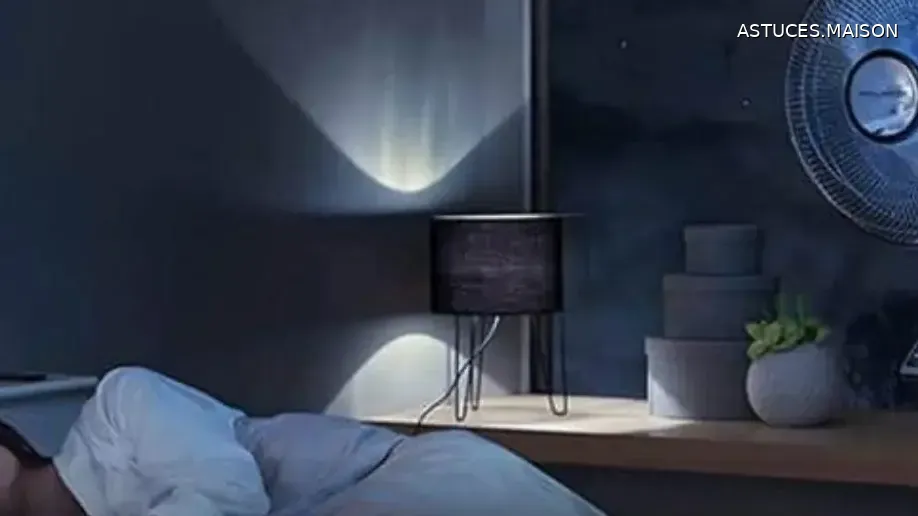
While physical discomfort creates obvious nighttime challenges, fans simultaneously compromise sleep quality through subtle yet persistent acoustic interference. Even the quietest fan models generate continuous background noise that transforms the bedroom environment from peaceful silence into a constant auditory presence that disrupts natural sleep patterns.
Background noise from fans ranges from soft buzzing to pronounced humming, depending on motor quality, speed settings, and mounting stability. This seemingly innocent sound becomes problematic for light sleepers who require complete silence for optimal rest. The steady mechanical noise interferes with the brain’s ability to cycle through essential sleep stages, particularly the deeper phases crucial for physical recovery and memory consolidation.
Research demonstrates that continuous ambient noise fragments sleep architecture, causing frequent micro-awakenings that sleepers rarely remember but that significantly reduce restorative sleep quality. The fan’s persistent hum creates an artificial sound floor that masks natural environmental cues your body uses to regulate circadian rhythms and sleep depth.
Nighttime air movement compounds these disruptions by triggering unconscious physical responses that cause partial awakening throughout sleep cycles. Your body’s temperature regulation system interprets the artificial cooling as environmental changes, prompting frequent position adjustments and lighter sleep phases that prevent sustained deep rest.
Modern sleep technology addresses these limitations effectively. The Chilipad Dock Pro operates at just 41-46 decibels while maintaining precise temperature control between 55-115°F, eliminating both noise pollution and the temperature regulation challenges that make traditional fans counterproductive for quality sleep.

Temperature Control Limitations And Better Alternatives
Beyond noise disruptions, fans fundamentally fail to address the core issue of bedroom temperature management. Despite creating a sensation of coolness, fans merely circulate existing air without actually lowering room temperature or your body’s core temperature. This wind chill effect provides temporary relief through increased evaporation from your skin, but the underlying heat problem persists unchanged.
During extremely hot weather conditions, fans become particularly ineffective as they simply move already-heated air around the room. The circulated warm air offers minimal cooling benefit while continuing to generate the health issues and sleep disruptions previously discussed. This limitation explains why many people still feel uncomfortably warm despite running fans at maximum speed during heat waves.
New research indicates that lower body temperature, preferably between 65 and 68°F, encourages more restorative sleep. Achieving this optimal temperature range requires more effective solutions than traditional air circulation methods.
Superior alternatives address temperature control without fan-related drawbacks. Breathable bedding materials naturally regulate body heat without artificial airflow. Taking a warm shower before bed triggers your body’s natural cooling response through vasodilation. Proper hydration supports internal temperature regulation, while blackout curtains prevent daytime heat accumulation.
Cooling mattress toppers and advanced sleep systems like the Chilipad provide precise temperature control that targets your body directly rather than attempting to cool entire rooms. These solutions deliver consistent comfort without the respiratory irritation, muscle stiffness, or sleep fragmentation associated with fan dependency.
Continue Reading →