
The Mystery Behind Flight Attendants’ Hidden Hand Position Revealed
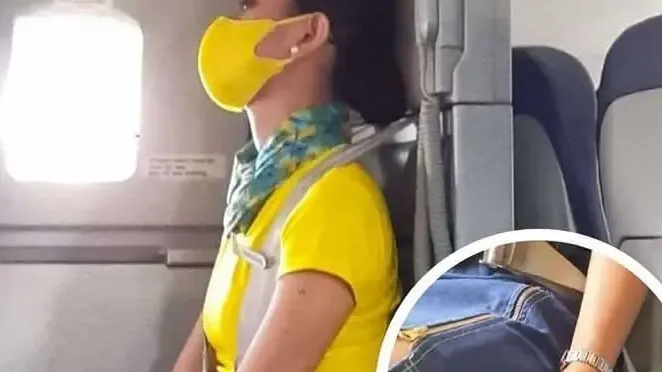
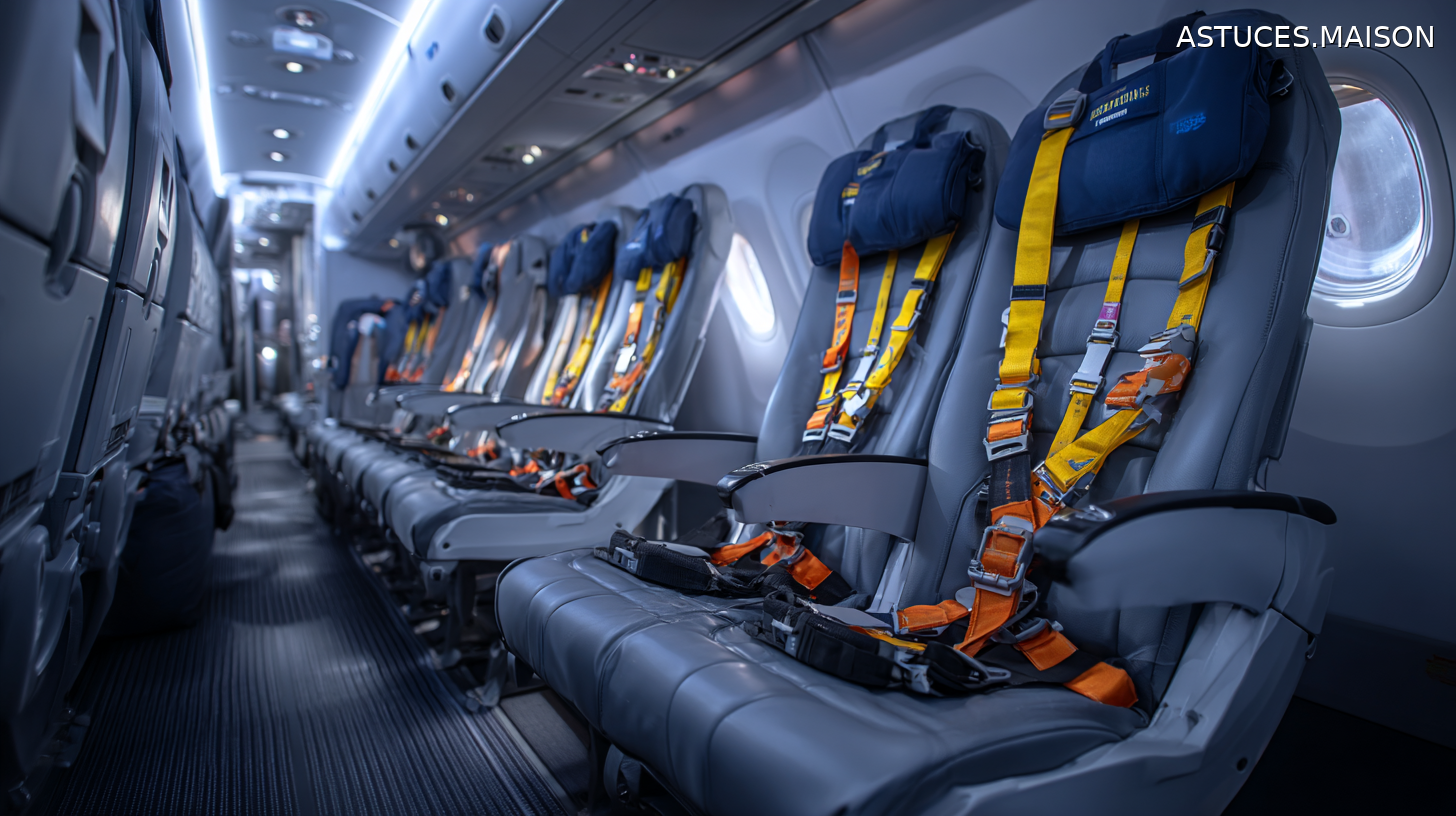
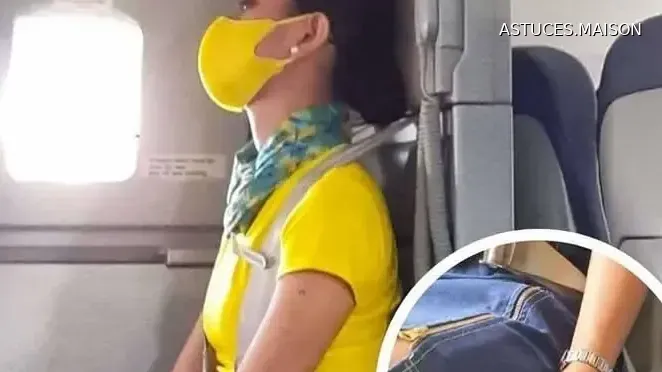
During your next flight, observe the cabin crew as the aircraft prepares for takeoff or landing. You’ll notice something peculiar: flight attendants buckled into their jump seats, sitting perfectly upright with their hands tucked firmly beneath their thighs. This seemingly odd posture isn’t random—it’s a carefully practiced safety protocol known as the bracing position.
Henny Lim, a flight attendant with Philippines-based airline Cebu Pacific, recently lifted the veil on this aviation mystery through a viral TikTok video. Her insider explanation has captivated millions of passengers who never understood why crew members adopt this specific stance during critical flight phases.
« This position involves fastening seatbelts securely, sitting upright, sitting on hands – arms up, thumbs tucked – and arms loose, and feet flat on the floor, » Lim detailed in her social media demonstration. The technique requires precise positioning: hands placed palm-down under the thighs, thumbs tucked inward, arms remaining relaxed rather than rigid.
What appears to be an uncomfortable seating arrangement actually represents years of aviation safety training distilled into a single, life-saving posture. Lim’s viral revelation has transformed how passengers view their flight attendants, recognizing that even in moments of apparent rest, crew members remain focused on safety preparation. The bracing position exemplifies how every aspect of flight operations prioritizes passenger and crew protection through scientifically-backed procedures.
Life-Saving Science: Why This Position Could Prevent Serious Injuries
Behind this carefully orchestrated positioning lies decades of aviation safety research focused on protecting human bodies during emergency impacts. The bracing position isn’t merely a precautionary measure—it’s a scientifically-engineered response designed to minimize catastrophic injuries when aircraft encounter unexpected turbulence or emergency situations.
« This keeps body movement restricted so that there is less chance of injury if there was an impact, » Lim explained, highlighting the core principle behind this safety protocol. By tucking hands beneath their thighs, flight attendants create a natural restraint system that prevents arms from flailing during sudden deceleration or impact scenarios.
The Federal Aviation Administration (FAA) has extensively documented this safety technique through official memorandums that outline its dual protective functions. According to FAA guidelines, the bracing position serves two critical purposes: reducing flailing and reducing secondary impact. When properly executed, this posture prevents limbs from becoming projectiles that could strike nearby surfaces or other individuals during emergency events.
The body mechanics are straightforward yet effective. Restricted arm movement eliminates the risk of fractures or dislocations that commonly occur when passengers or crew members instinctively extend their hands during impact. The upright spinal alignment distributes force more evenly across the torso, while the secured hand position creates a stable foundation that reduces the likelihood of secondary injuries caused by ricocheting movements.
This scientific approach transforms what appears to be simple safety theater into a sophisticated injury prevention system that has saved countless lives throughout commercial aviation history.
The Silent Review: What Flight Attendants Do While You’re Not Looking
While passengers observe flight attendants assuming their protective bracing position, a crucial mental process unfolds simultaneously that extends far beyond physical safety positioning. During every takeoff and landing sequence, cabin crew members engage in what aviation professionals call the “silent review”—a comprehensive mental rehearsal that prepares them for potential emergency scenarios.
« During this time, [your flight attendants] will also be going through the ‘silent review,’ which prepares them for an emergency situation every take-off and landing, » Lim revealed, exposing this hidden layer of professional preparation that occurs during the most critical flight phases.
This intensive mental protocol involves systematically reviewing emergency equipment locations within their immediate vicinity, mentally rehearsing door operation procedures, and analyzing commands that might need to be executed during crisis situations. Flight attendants simultaneously monitor visual cues outside the aircraft, scanning for potential hazards or unusual conditions that could indicate developing emergencies.
The silent review transforms these seemingly routine moments into highly focused training exercises. While maintaining their protective physical position, crew members mentally map evacuation routes, recall passenger counts in their assigned sections, and prepare contingency responses for various emergency scenarios—from medical incidents to evacuation procedures.
This dual-purpose approach maximizes safety preparation efficiency, allowing flight attendants to simultaneously protect themselves physically while sharpening their emergency response readiness. The result is a cabin crew that remains perpetually prepared for the unexpected, even during the most mundane operational moments.
Social Media Flight Crew: Educating Passengers One Video At A Time
This professional dedication to passenger safety extends beyond the aircraft cabin into the digital realm, where flight attendants are revolutionizing aviation education through social media platforms. Following Henny Lim’s viral TikTok revelation, a growing community of aviation professionals has embraced online content creation to share insider knowledge with travelers worldwide.
Esther Sturrus, another flight attendant who has built a substantial following of 223,800 users, exemplifies this educational trend by sharing practical passenger guidance that enhances the flying experience for everyone aboard. Her content focuses on passenger etiquette, revealing that the best travelers are those who remain « polite and friendly » while demonstrating « courteous and engage in friendly conversation » behavior with crew members.
Beyond basic courtesy, these aviation educators address practical travel concerns that passengers frequently encounter. Sturrus has shared expert advice on maintaining fresh-smelling clothes during extended travel periods, providing solutions that experienced crew members have developed through countless hours in pressurized cabin environments.
This digital education movement transforms traditional one-way safety demonstrations into interactive learning opportunities. Flight attendants leverage their professional expertise to create accessible content that demystifies aviation procedures, explains safety protocols, and offers practical travel tips that enhance passenger comfort and cooperation.
The result is a more informed traveling public that better understands the reasoning behind safety procedures, ultimately creating a collaborative atmosphere that benefits both passengers and crew members during every flight.
Continue Reading →